
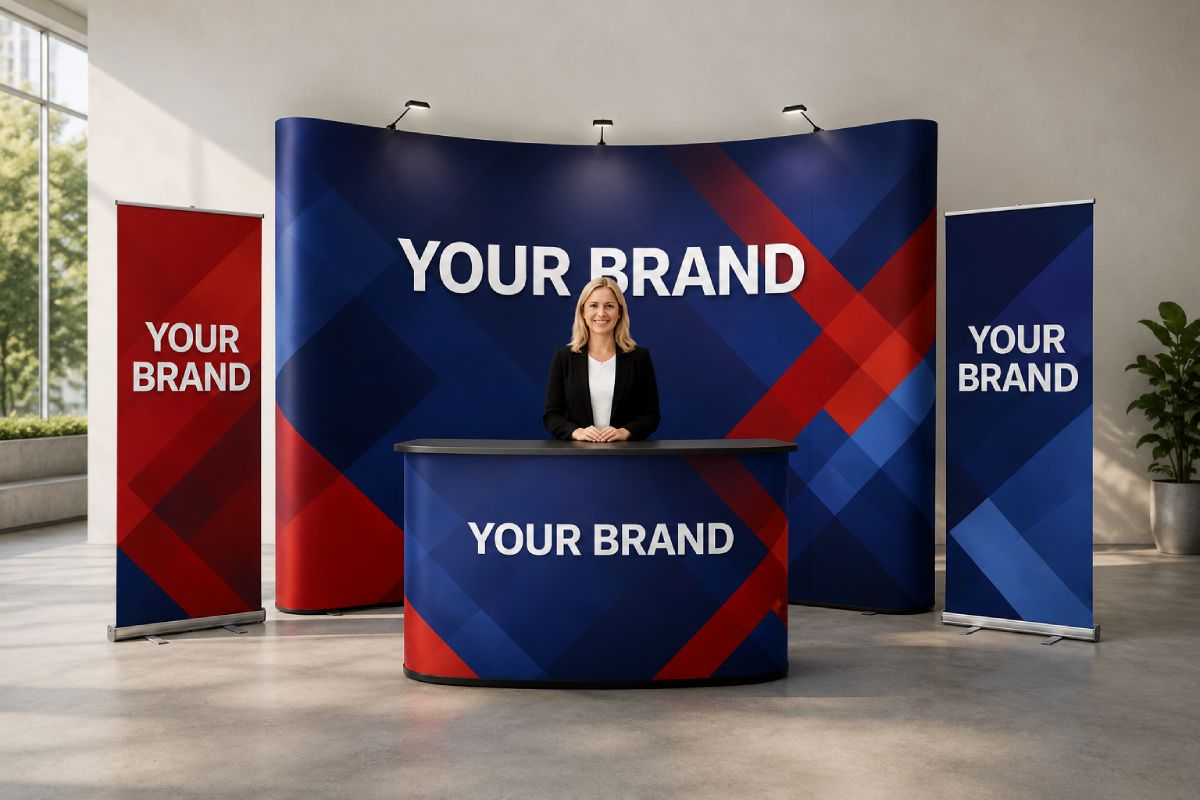
Corporate Event Displays & Branded Stands in Abu Dhabi
Dominate your next high-stakes corporate exhibition or retail activation with Ninety Nine Advertising LLC. We engineer premium, rapid-deployment event displays built for aggressive transit. Secure a flawlessly finished, highly polished brand footprint that commands immediate authority across UAE trade shows.
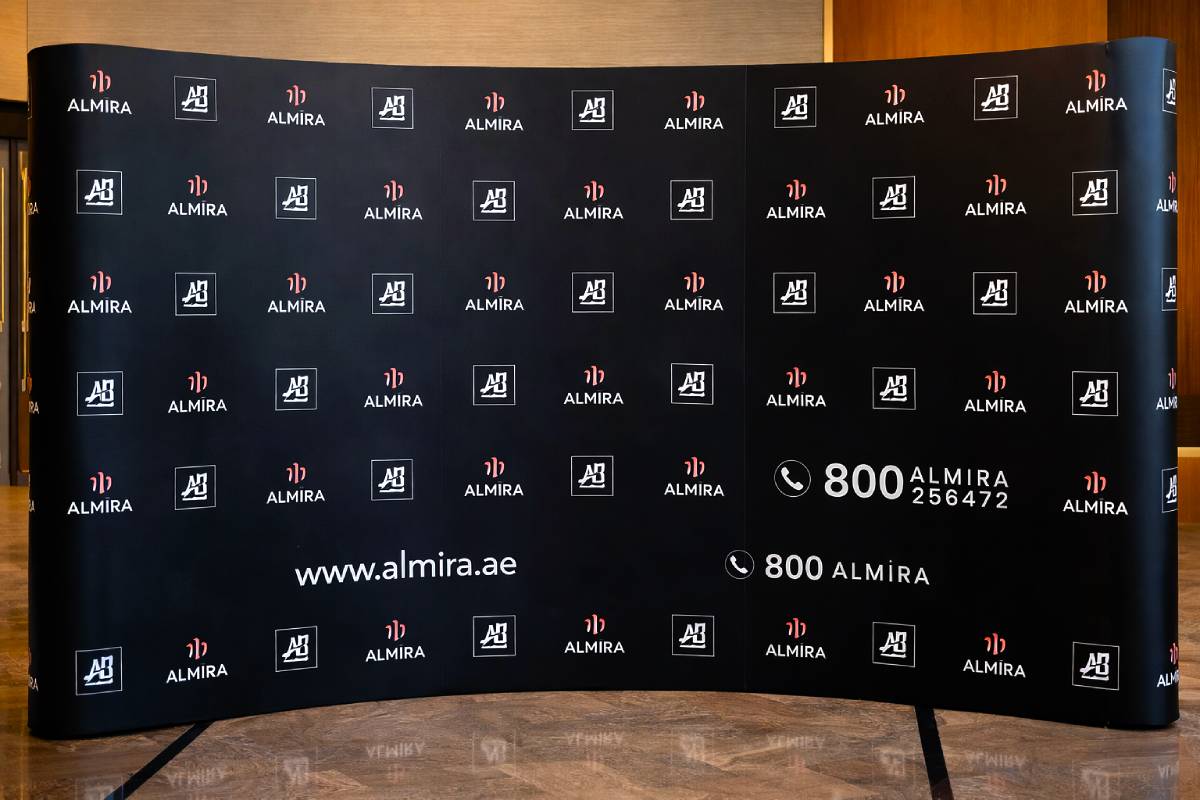
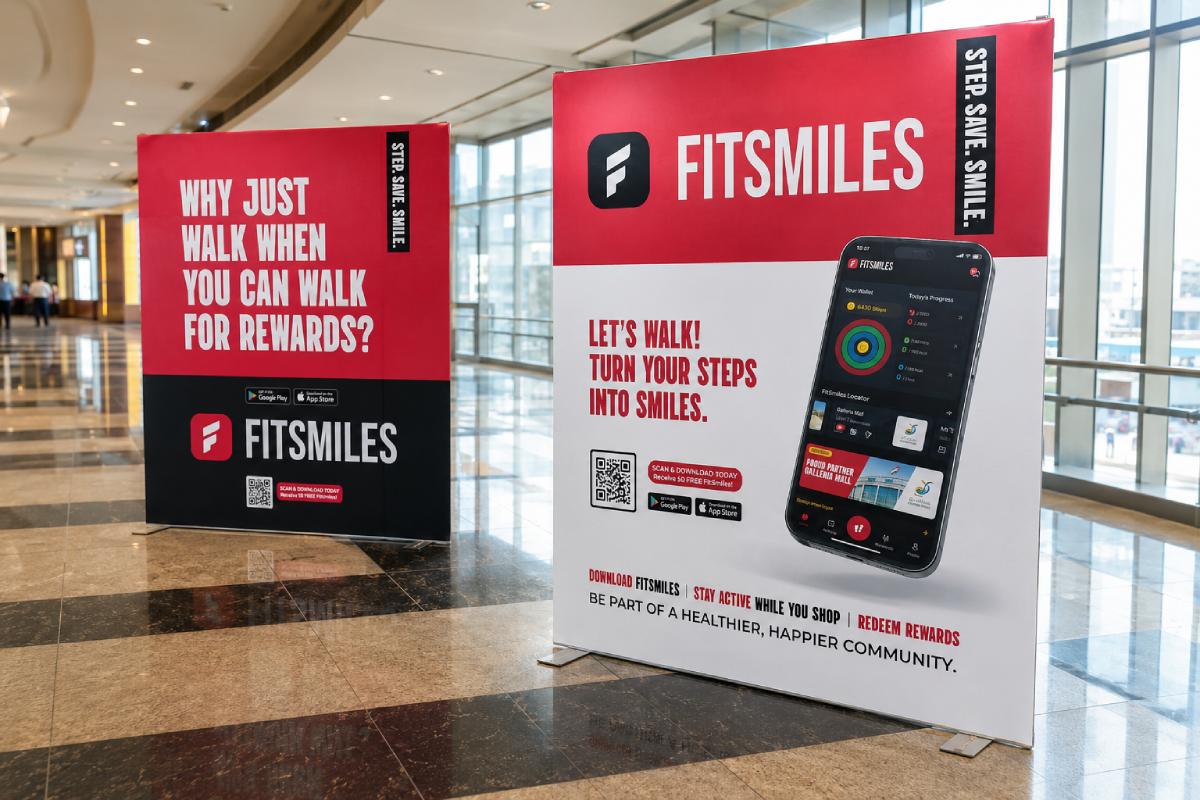
Flawless Presence at Every High-Stakes Corporate Exhibitions
Flimsy exhibition hardware and wrinkled graphics instantly destroy corporate credibility during crucial trade show rollouts. By deploying professional Event Displays & Branded Stands, UAE businesses immediately secure a flawless, camera-ready presence. We manufacture high-impact temporary visual assets that project absolute reliability and authority.
Portable Exhibition Hardware Built for Fast Setup
Executing authoritative Event Displays & Branded Stands demands hardware engineered for both quick site assembly and aggressive repeat transit. Below, explore our specialized promotional assets, specifically built for high-stakes retail activations. Each portable component functions seamlessly to anchor your corporate exhibition footprint flawlessly.
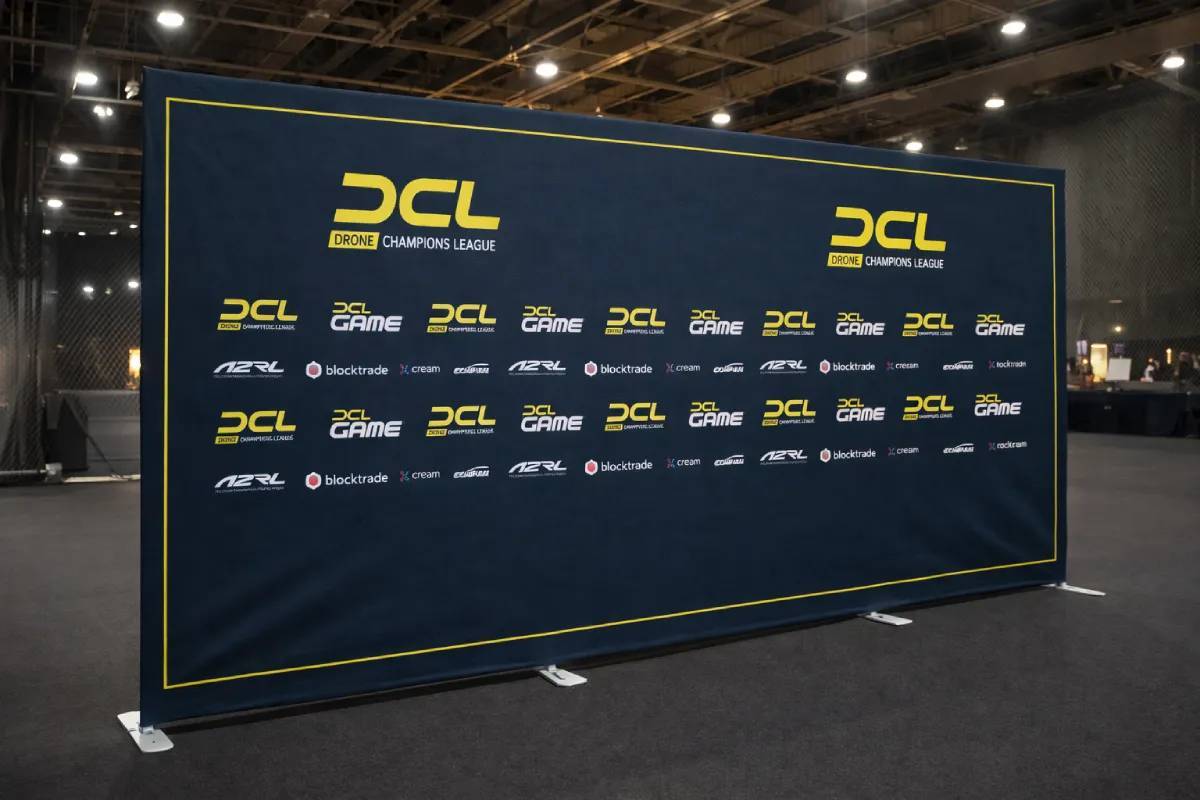
Tension Fabric Backdrops
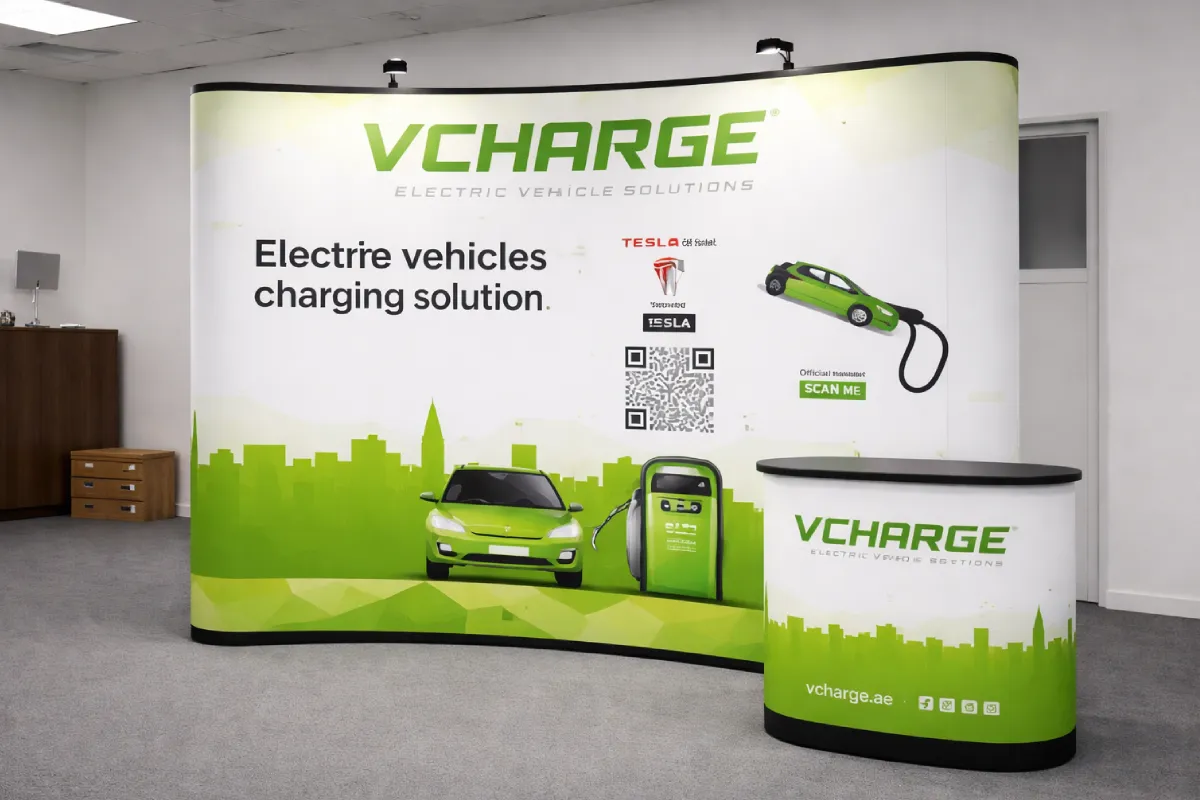
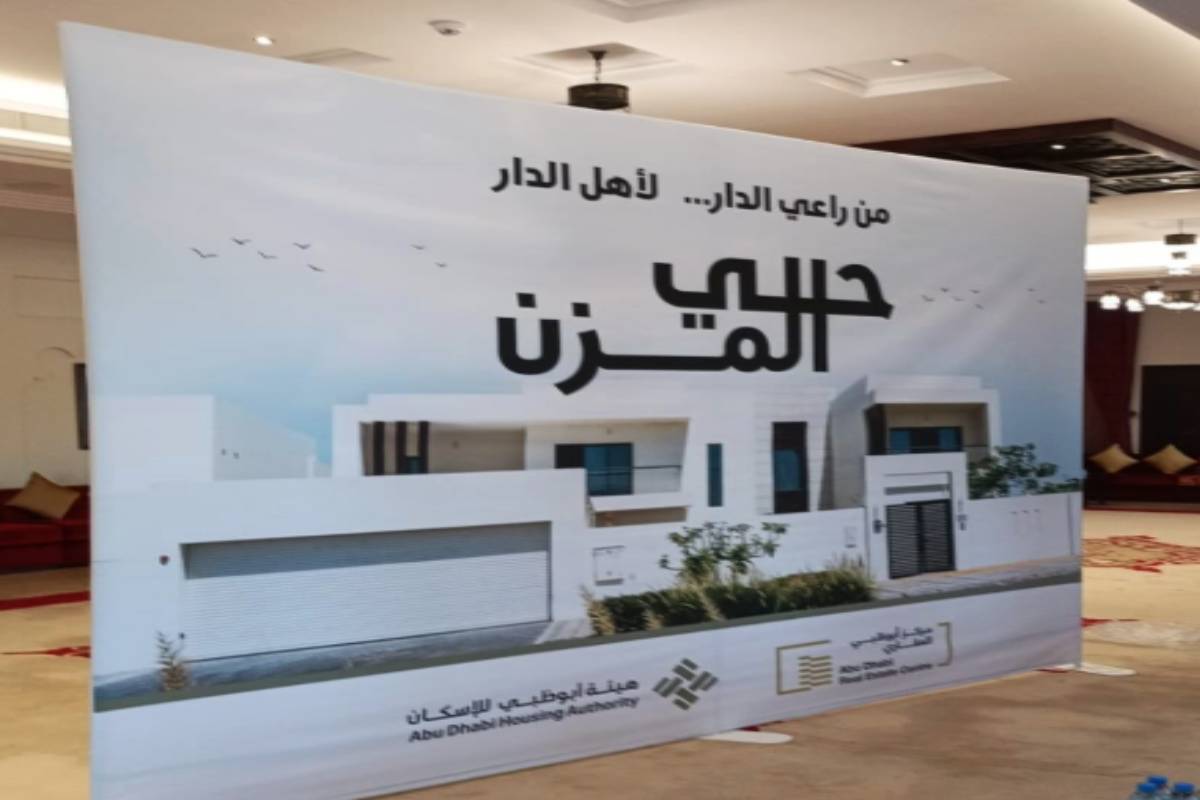
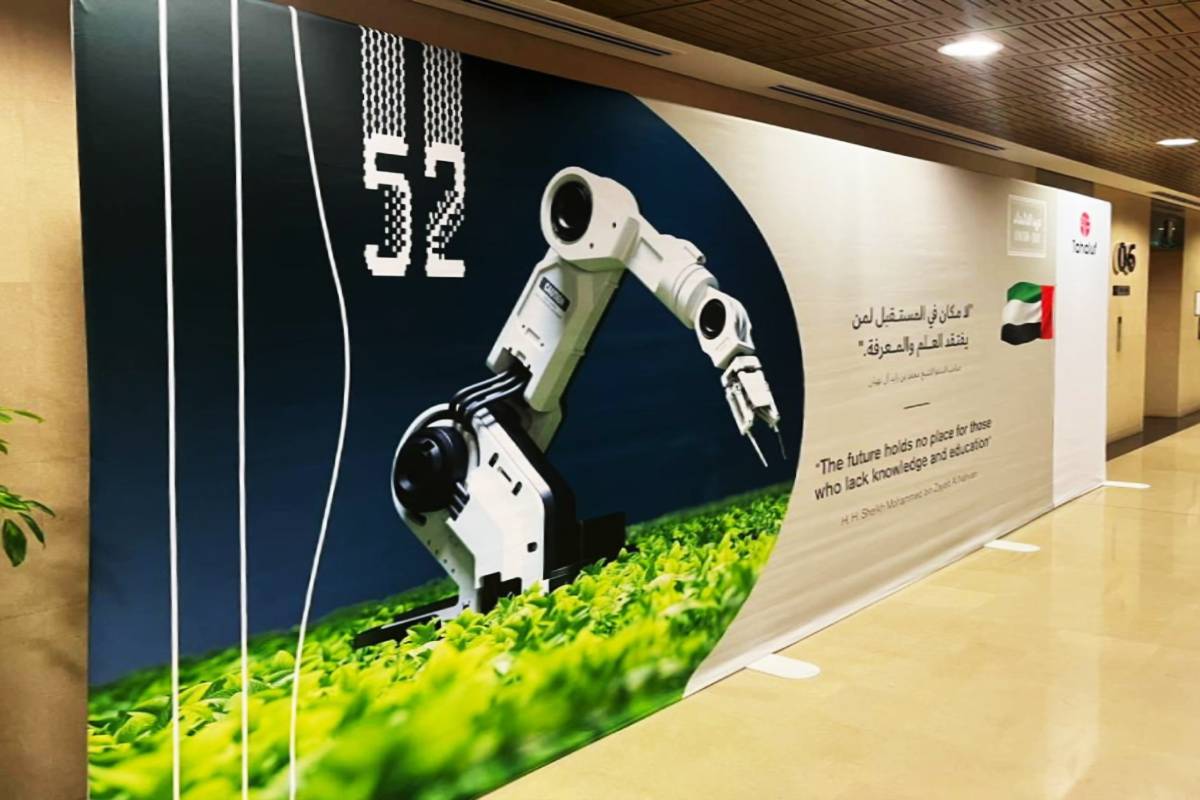
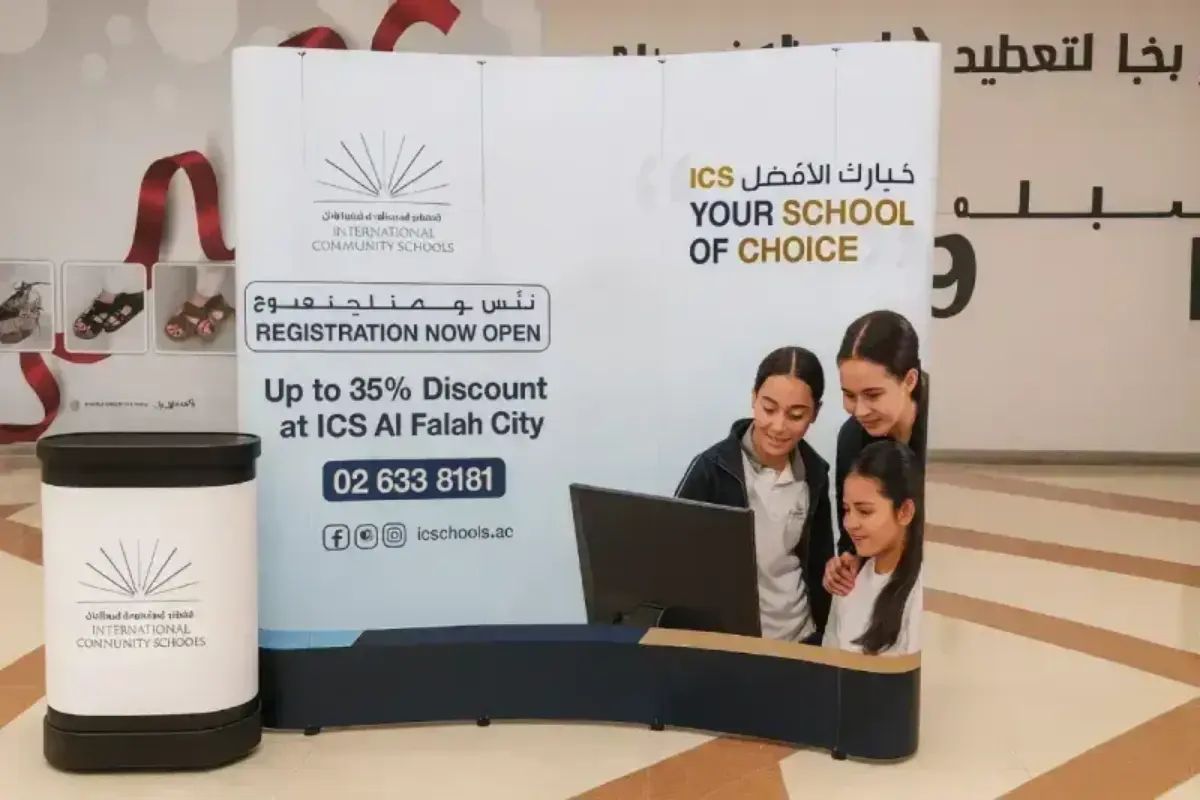
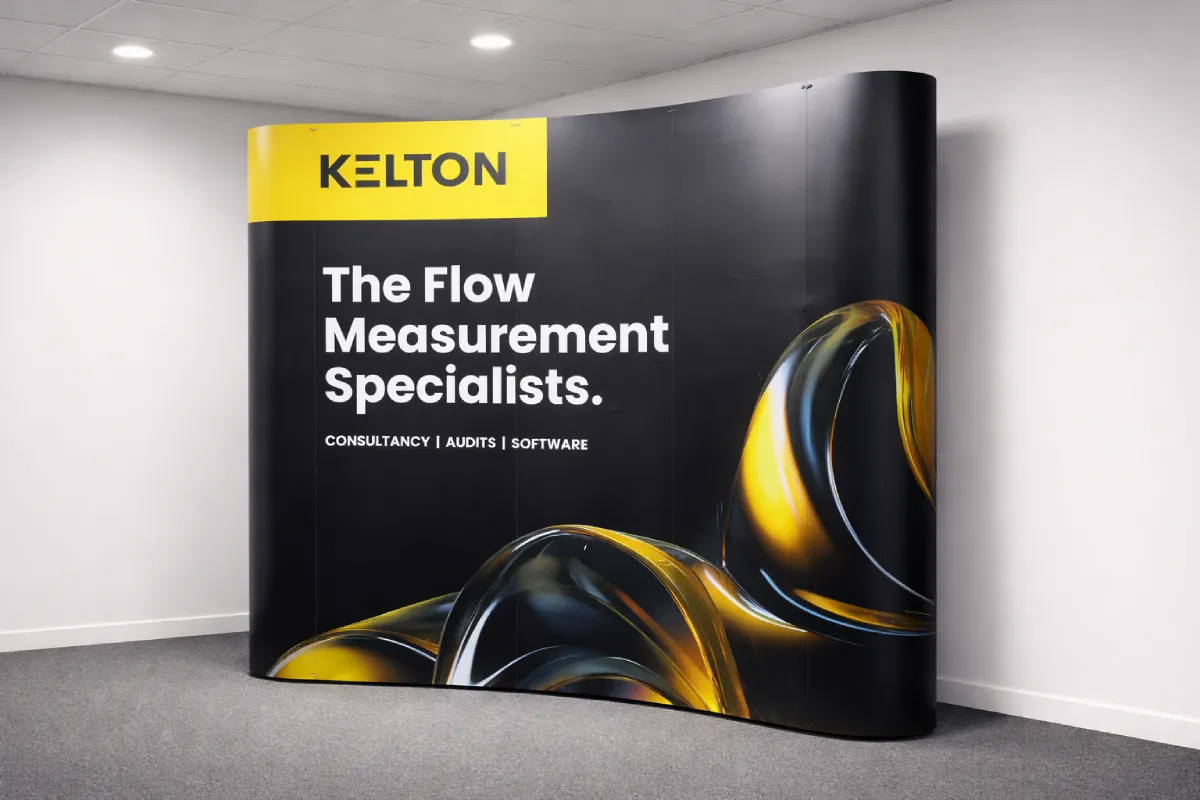
Pop-Up Display Stands
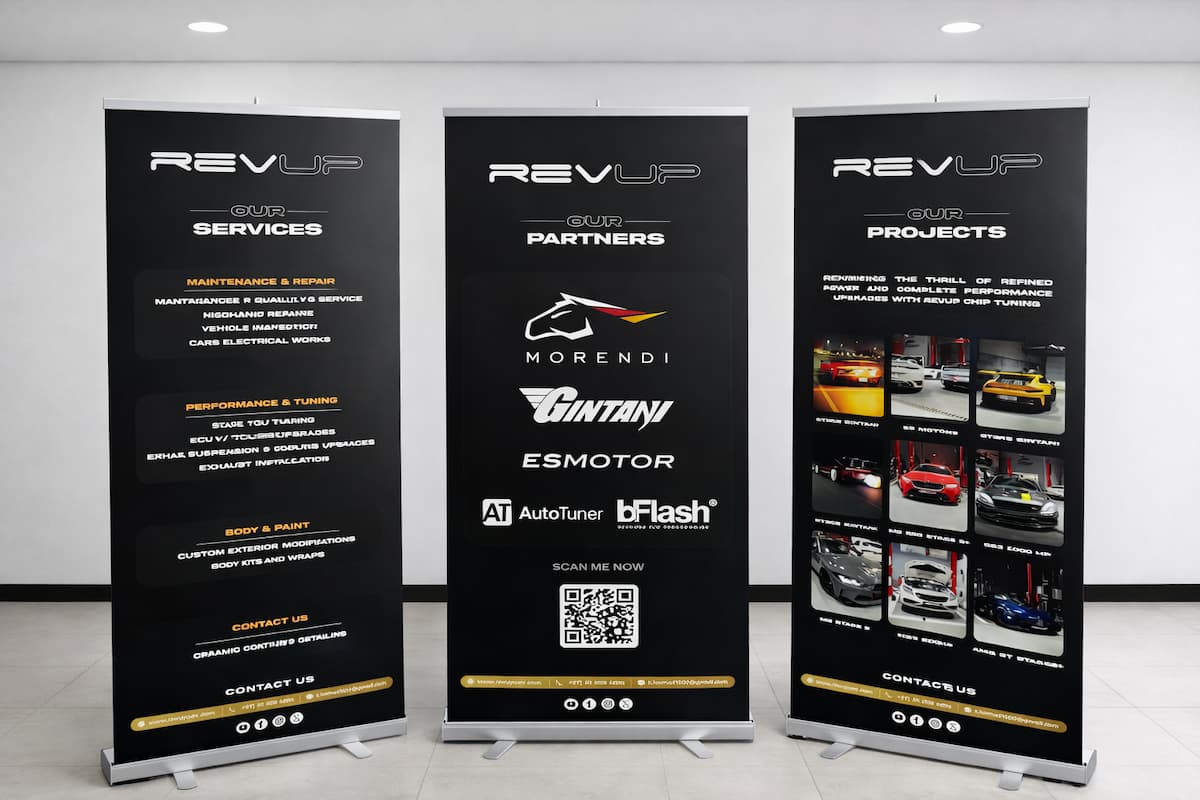
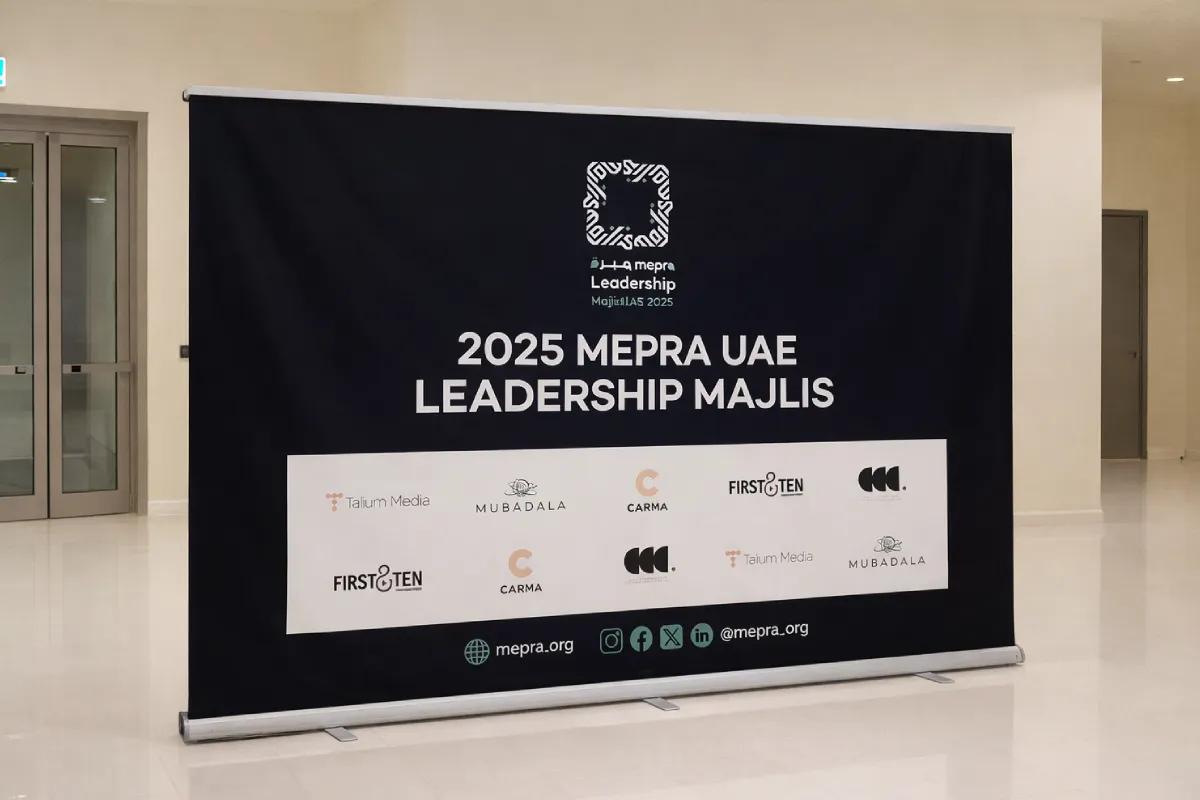
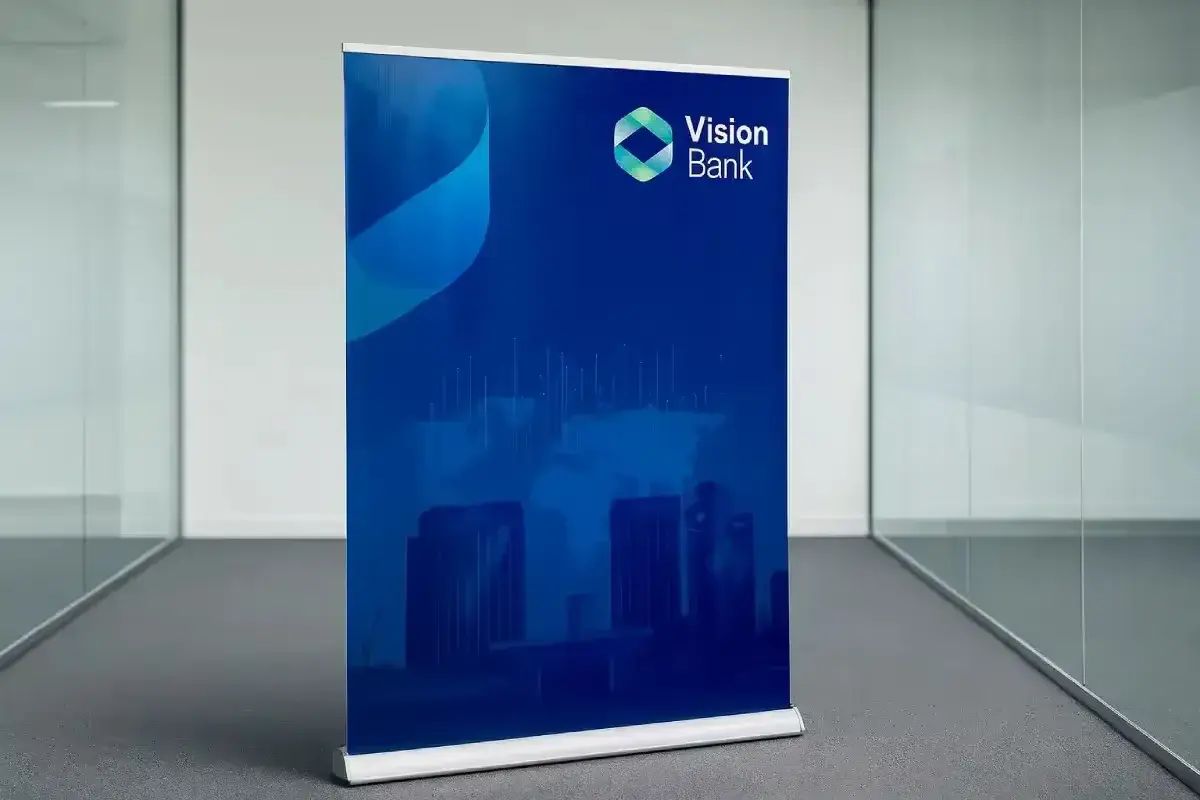
Roll-Up Banner Stands
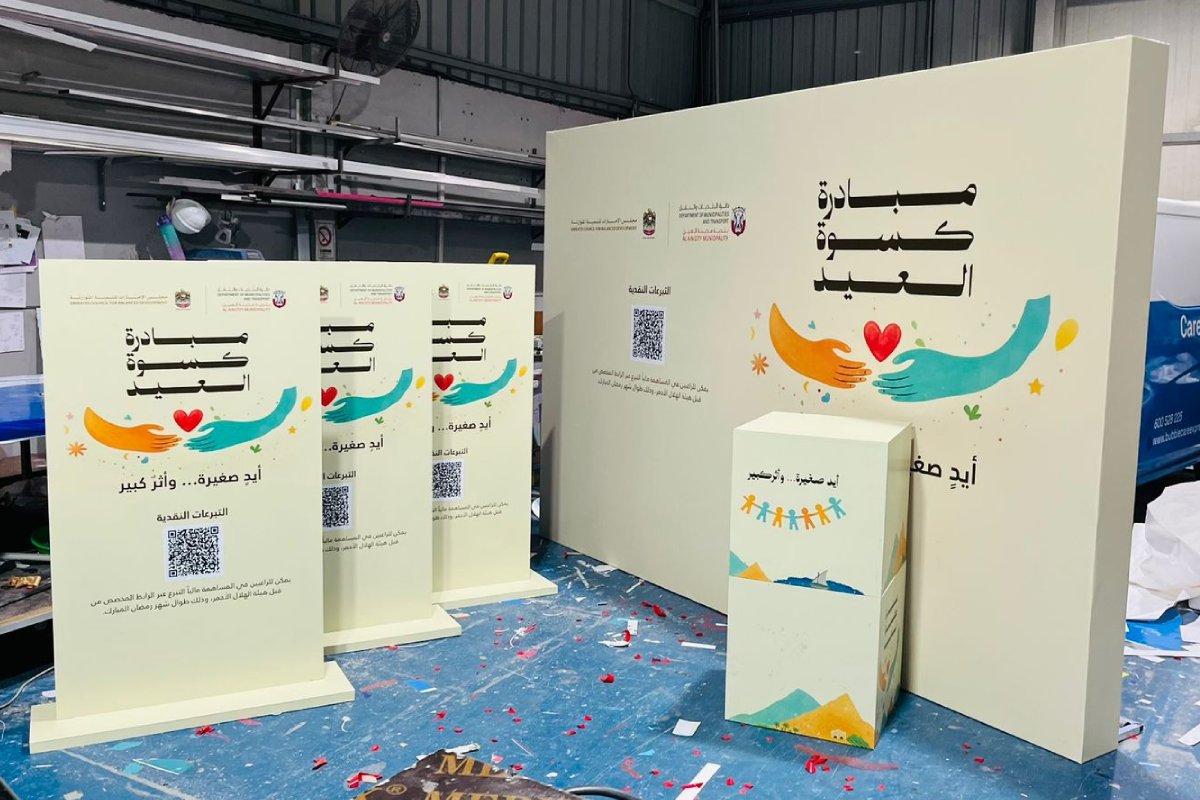
Event Counters & Podiums
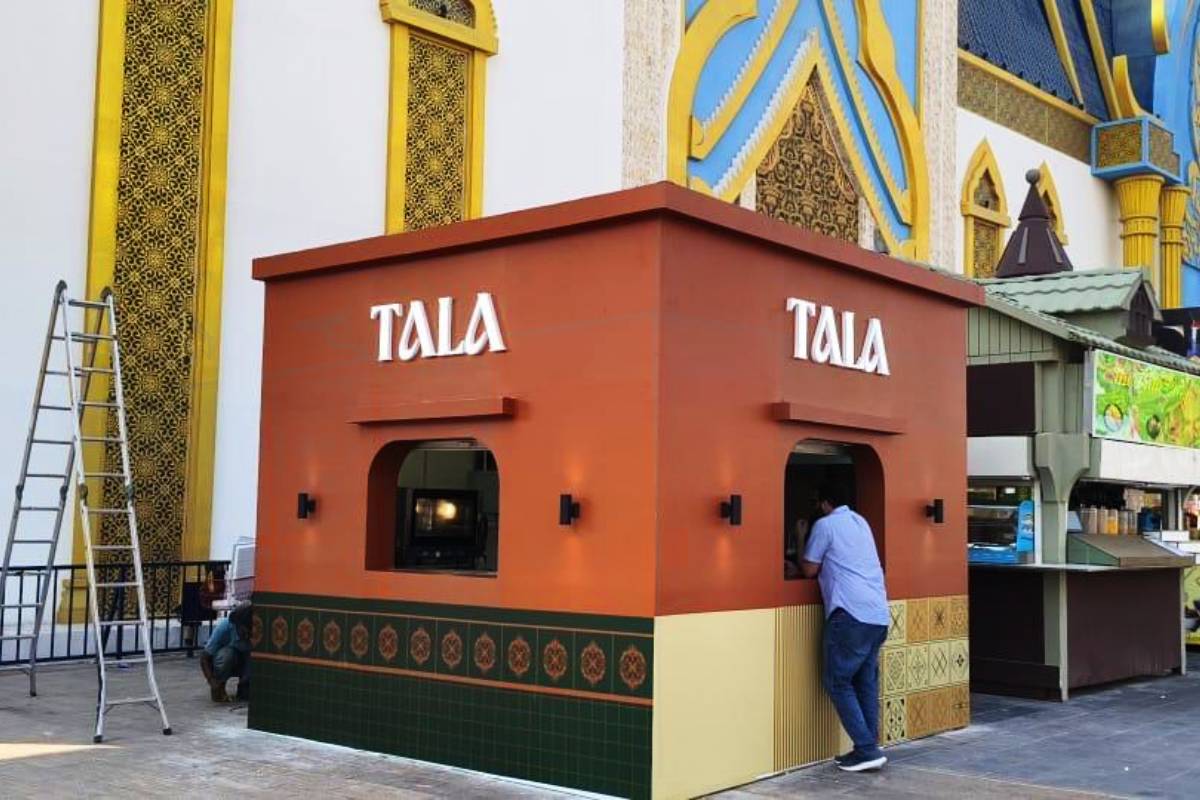
Kiosk & Container Branding
Event Display Projects in Abu Dhabi
- Emirates Council for Balanced Development, Al Ain:
Counters, roll-up stands, and promotion podiums produced and delivered within a 24-hour production cycle. View Project →
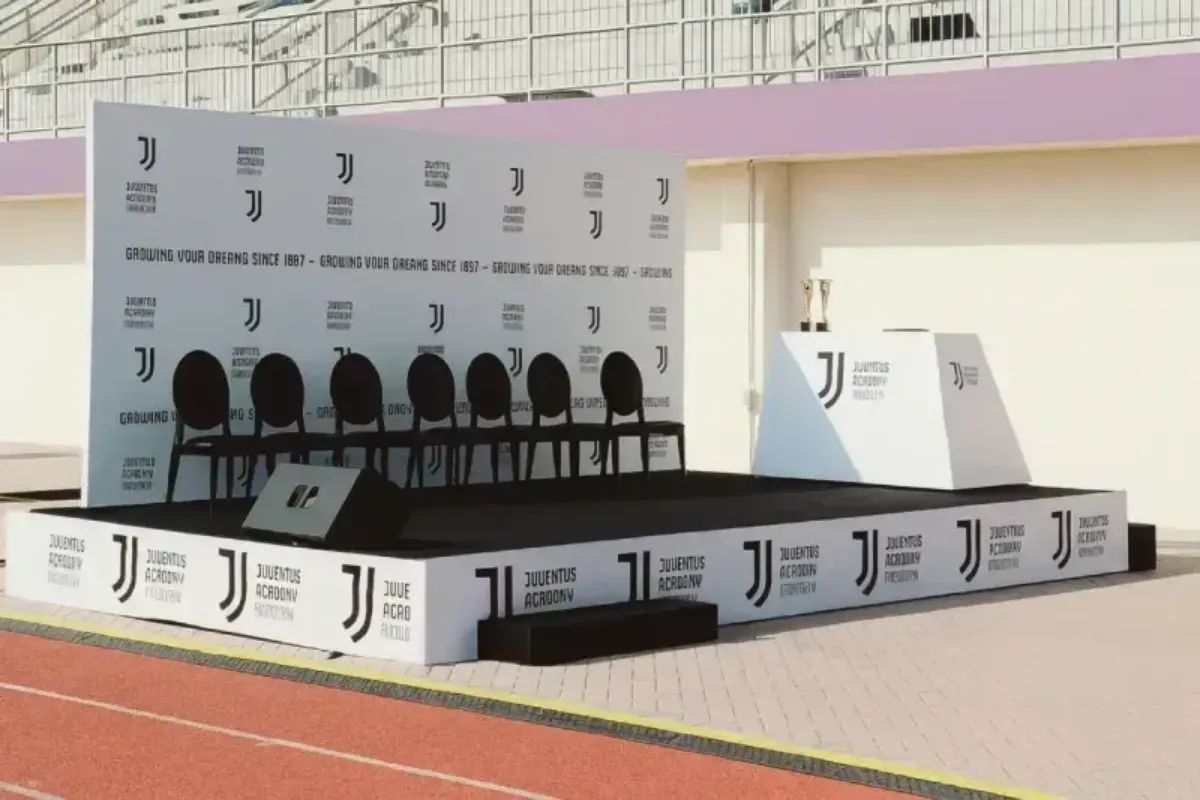
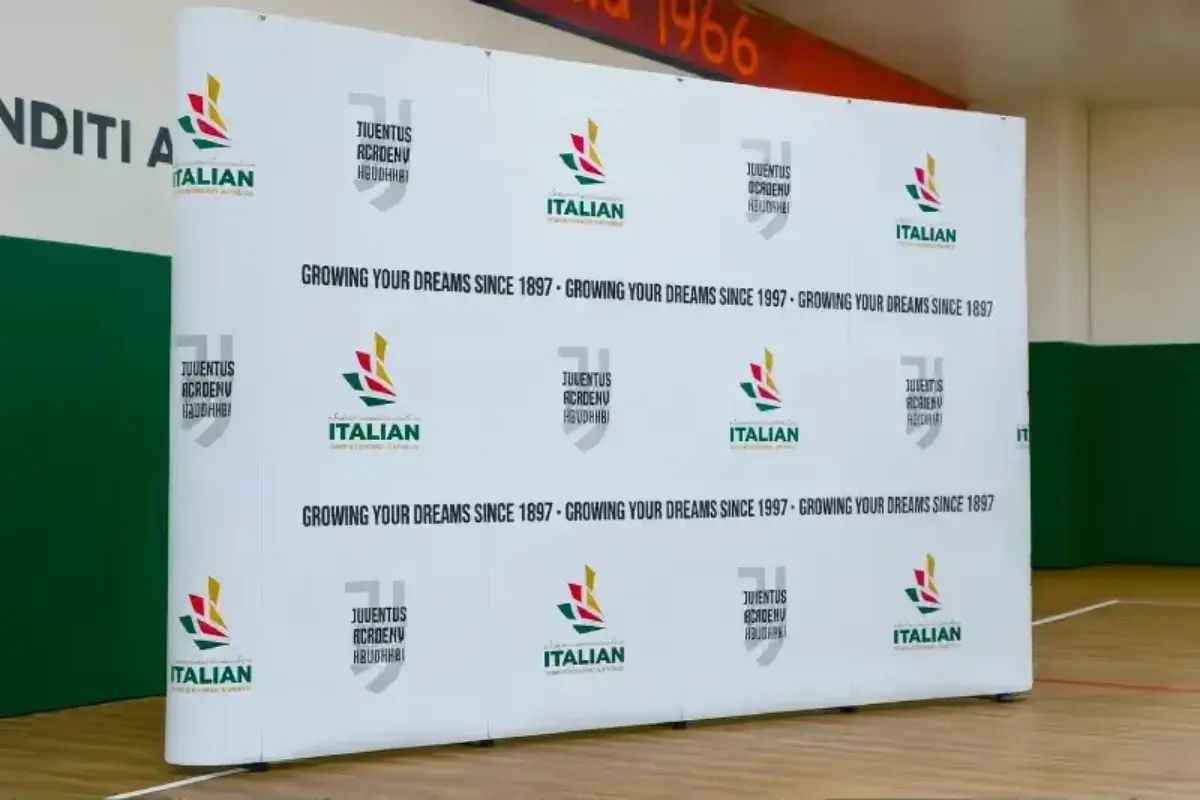
- Juventus Academy Abu Dhabi:
Stage branding and backdrops assembled and branded on site, aligned with the client's venue assets across the full setup.
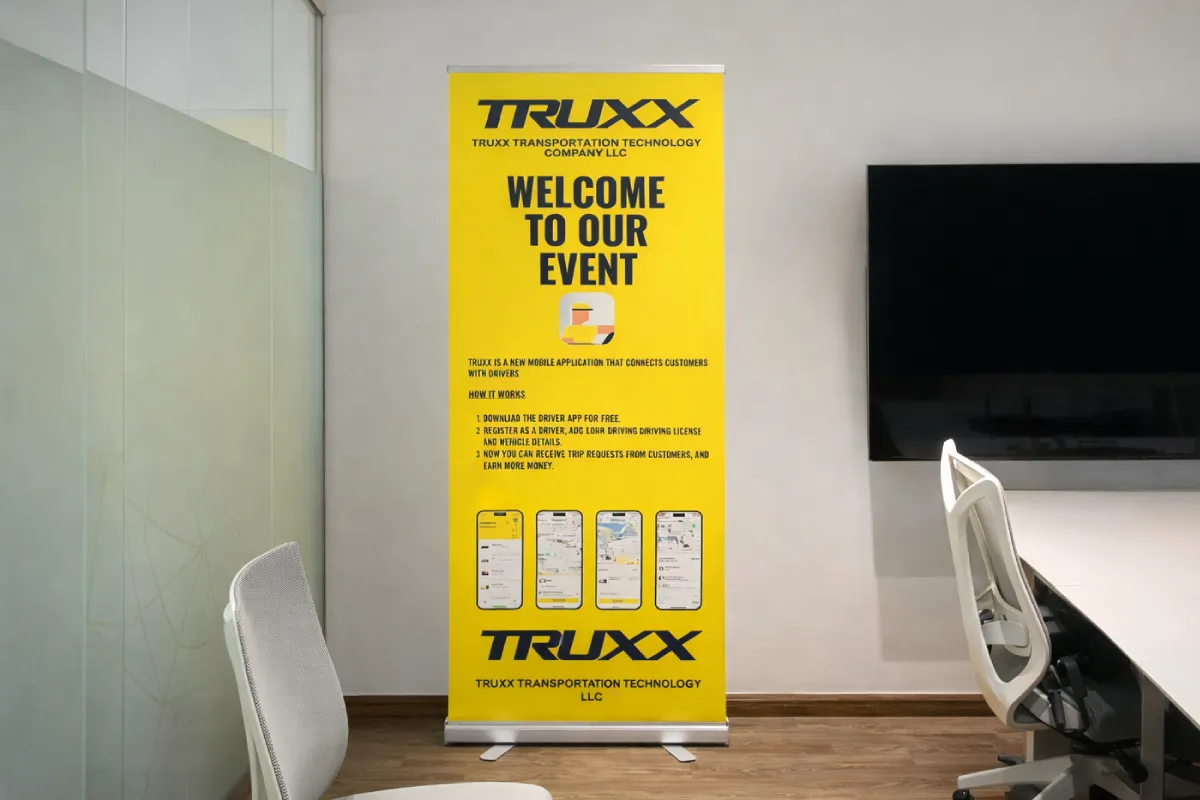
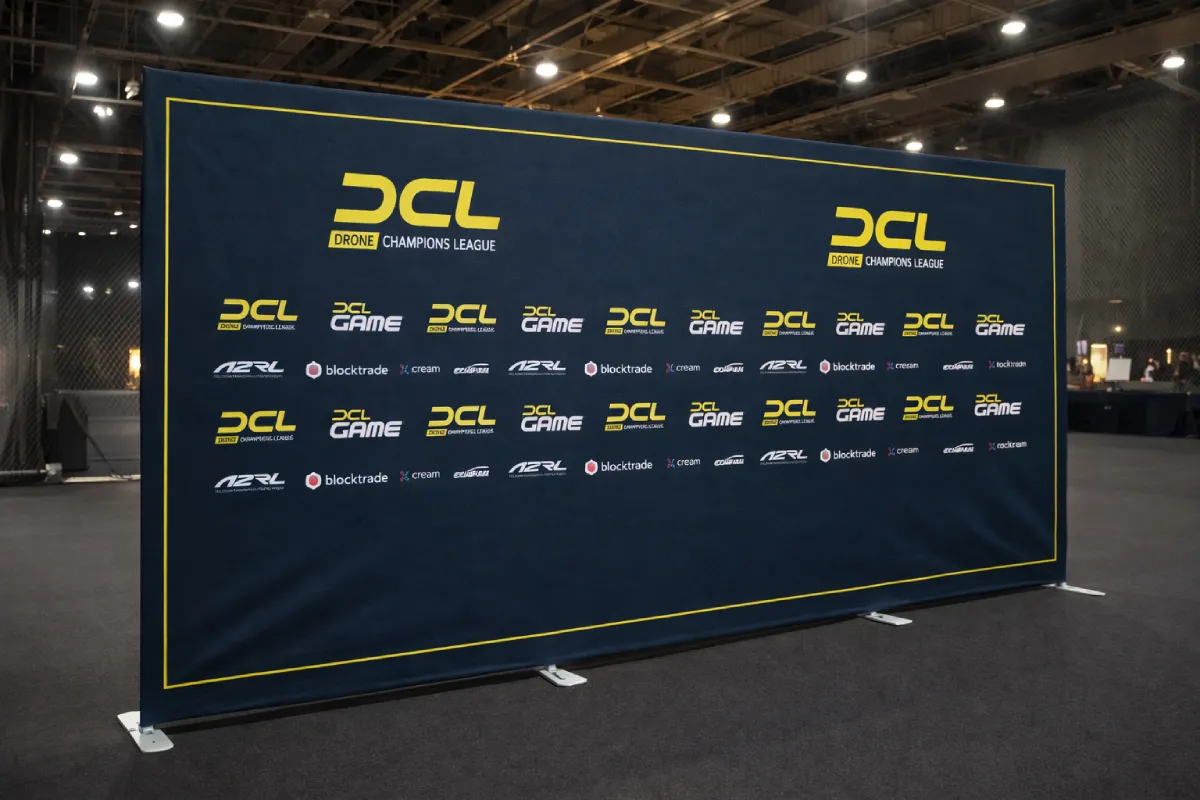
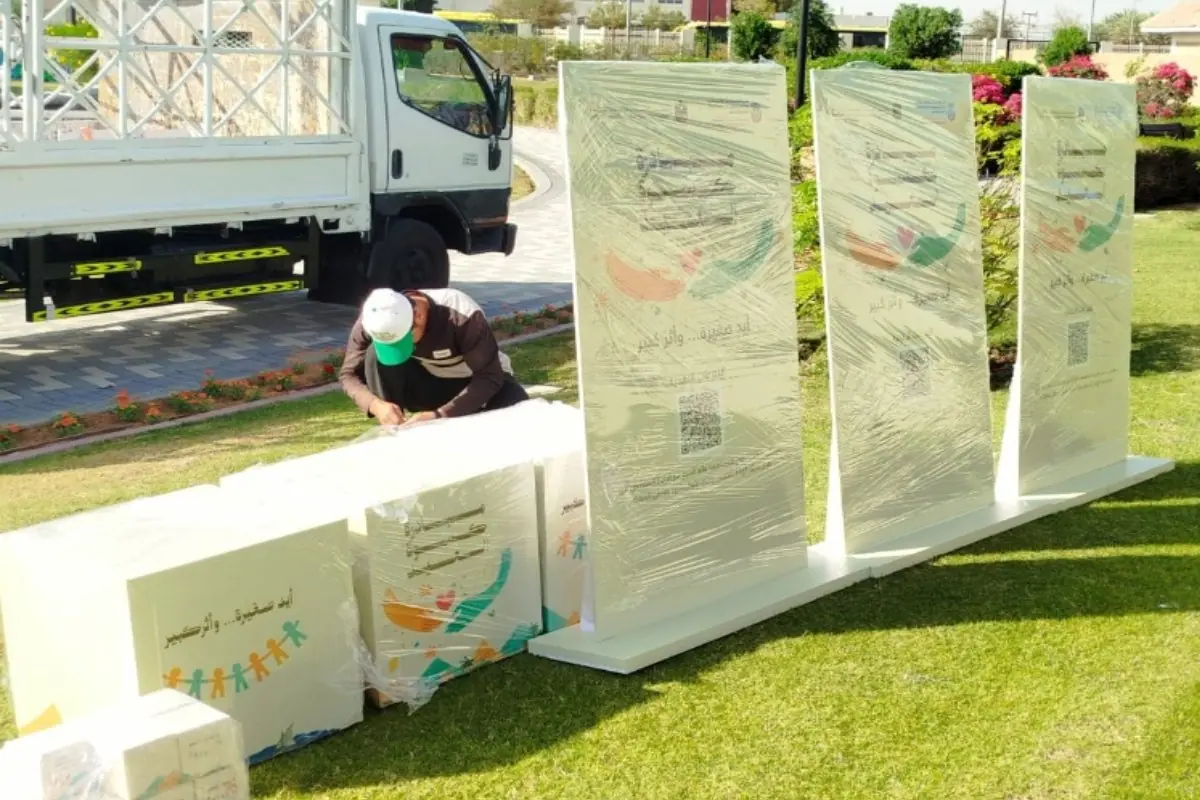
Share your vision with our branding experts today to launch a market-ready identity that instantly converts your target audience.
Event Display Supplier in Abu Dhabi
Event displays create temporary brand visibility for exhibitions, launches, press events, conferences and activations. They include backdrops, pop-up walls, roll-up banners, tension fabric stands, counter and portable signage.
Ninety Nine Advertising LLC manages artwork setup, print production, finishing, assembly checks and delivery for Abu Dhabi event teams that need fast, clean and reusable display systems.
Compliance Context
DCT Abu Dhabi's Event Licensing System on TAMM governs event and activation permits across the emirate. The approval path varies by event type and venue, affecting what is produced, when installation begins, and which materials can be used.
Risk Prevention
- Wrong media selection — matte anti-curl media avoids glare under event lighting and the edge curl that becomes visible once the display is live on site.
- Wrap applied to rented furniture without substrate review — adhesive marking or surface damage transfers cost to the client after handover.
- Production committed before footprint and approvals are clear — late changes affect dimensions, material route, packing logic, and setup sequencing.
Project Delivery Process
Event Brief Review
Event type, venue, and display scope are confirmed first. Format, material, and production decisions all flow from this stage.
Format & Layout
Format is matched to footprint, viewing role, and venue access. Approval and sequencing documents are confirmed at this stage.
Graphics & Compliance
Artwork is aligned with hardware and media. DCT permit and venue fire-safety documentation are resolved before production starts.
Production & Quality
Graphics and hardware are produced, checked, and packed so the system arrives ready for installation.
Customer Testimonials
Chosen by Abu Dhabi teams for clear timelines, responsive coordination, and consistent delivery.

On Track Cars Rental

We used Ninety Nine Advertising LLC for our shopfront signboard, blade sign, and interior 3D signage, and we’re very satisfied with the outcome. The work was completed professionally, on time, and with good attention to detail. The signage looks clean and works well for both exterior visibility and interior.
Amr El Kilany
the guys were extremely helpful, going above and beyond, acquiring permits, and most importantly they always find solutions for any issues that may arise!
Al Bahri Engineering
We’ve been working with Ninety Nine Advertising LLC for several years now, and they continue to deliver reliable results. Our most recent project involved partial branding of multiple company vehicles, and once again the execution was clean and well organized.
ravindra govindwar
From the initial consultation and design phase to the final installation, every step was handled with remarkable professionalism and attention to detail.