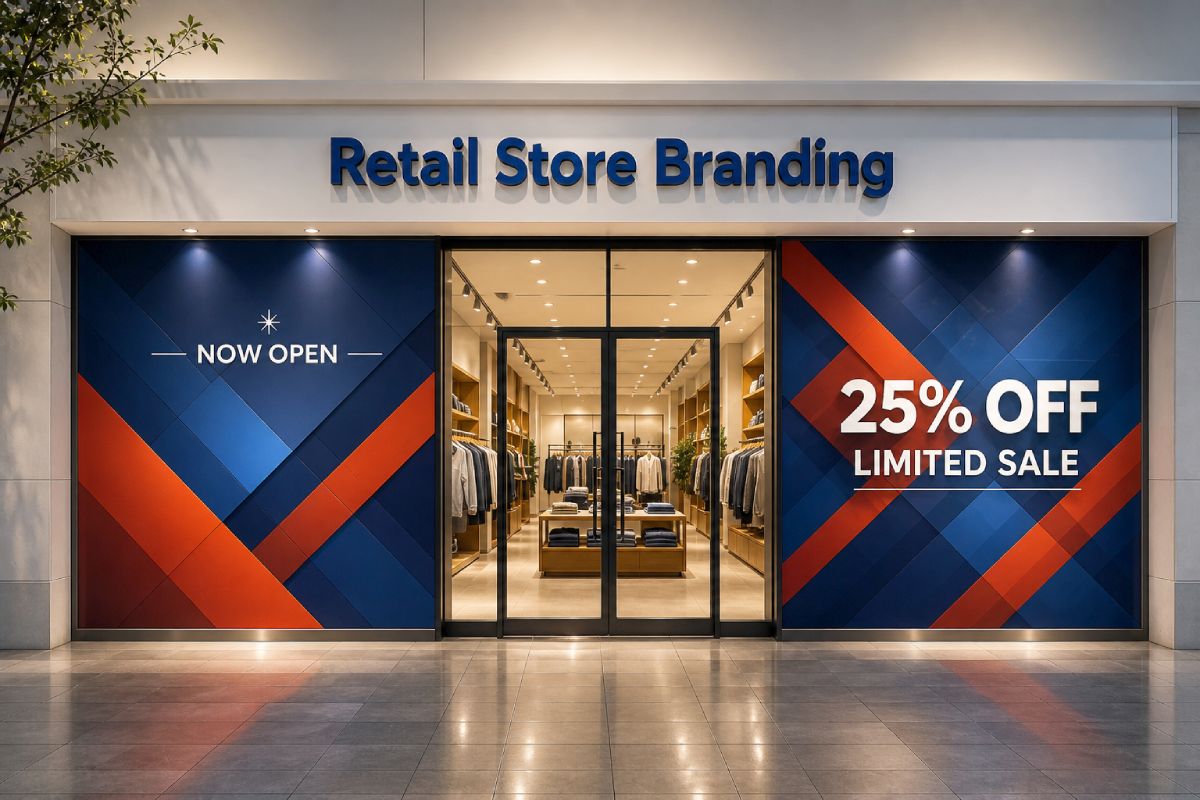
Store Branding

Updated On
March 29, 2026
Written by:
Ninety Nine Advertising Technical Team
Why Store Branding Fails in Abu Dhabi — and How We Prevent It
Store branding in Abu Dhabi applies across retail tenants, shop owners, cafés, restaurants, and boutique operators competing for footfall in dense retail corridors, managed shopping environments, and community retail clusters. The DMT framework and landlord NOC requirements referenced in the introduction govern exterior-facing work from design stage, not after production begins.
Shopfront branding that operates as an isolated sign element without corresponding window communication, interior atmosphere, and visual carry-through fails to make the space feel readable or worth entering — the commercial failure occurs at the store level, not at the sign level. LED driver failure on illuminated exterior signs results from underspecified components under Abu Dhabi's sustained ambient heat; driver load is confirmed before the unit leaves fabrication. Film applied to shopfront window branding without matching grade to glass type, UV exposure, and thermal cycling conditions produces adhesion failure before the installation reaches its intended service life; film specification is resolved at brief stage, before artwork is committed to production. Destructive fixing in managed retail environments without prior building management sign-off creates reinstatement liability at the tenant's cost; we manage the NOC process before any production cost is committed.
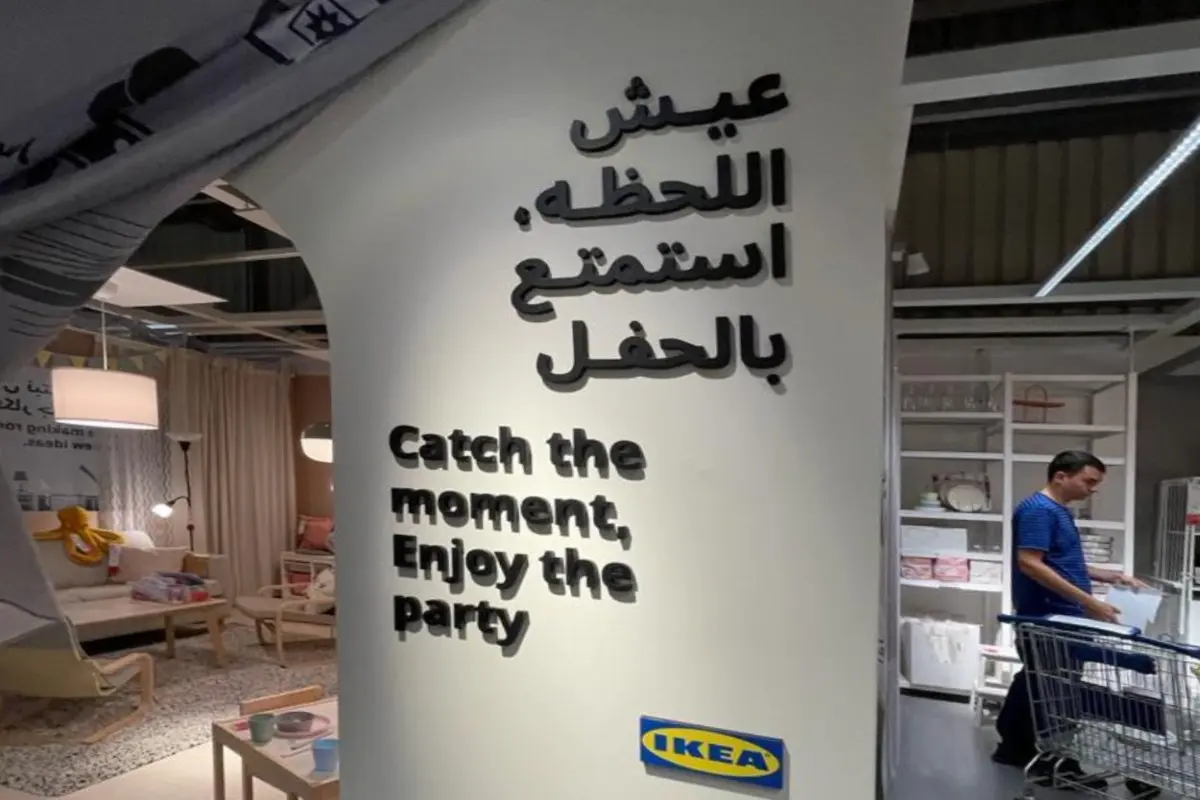
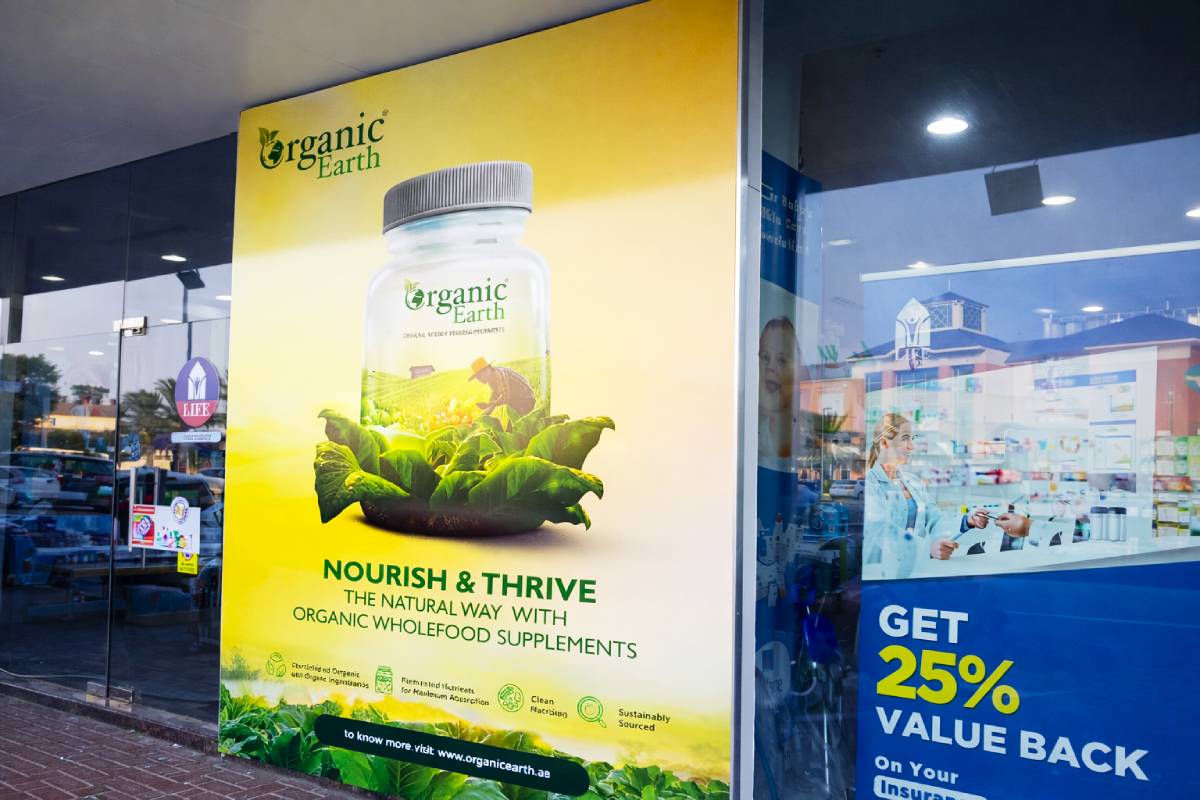
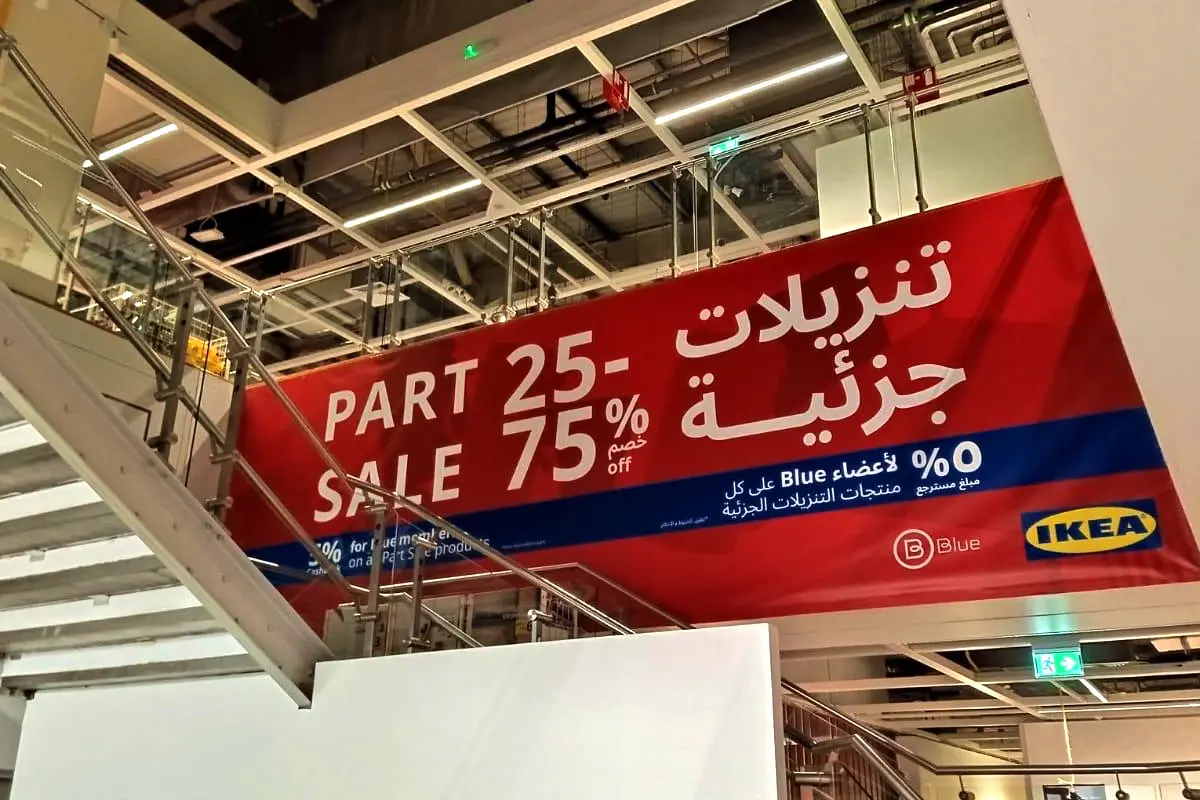
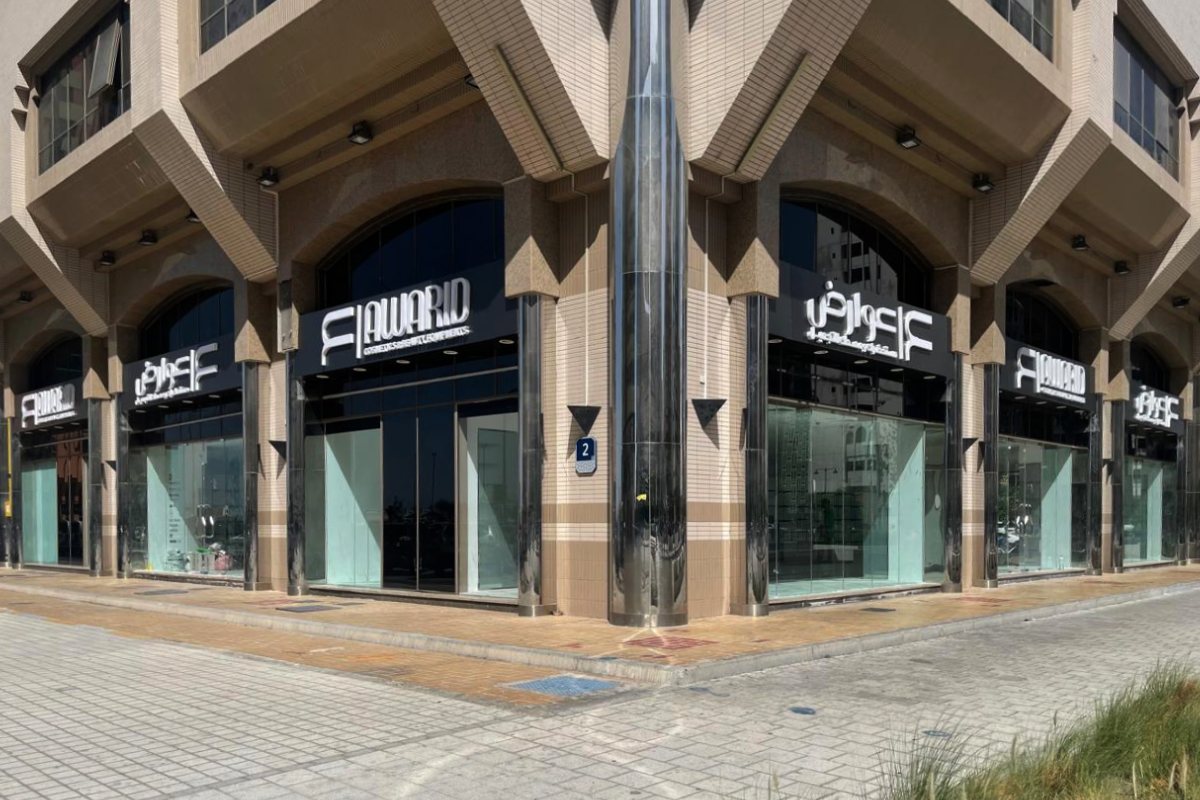
Madang at Holiday Inn Abu Dhabi by IHG received storefront window graphics that converted exterior glazing into an identification and orientation tool for passing visitors with no prior awareness of the venue. IKEA at Al Wahda Mall, Abu Dhabi received interior store wall branding in high-grip textured wallpaper that differentiated the showroom environment from standard retail surfaces. 49er's Steakhouse at Leaf Tower, Al Reem Island, Tamouh Abu Dhabi, received facade signage and reception 3D sign. Awarid Cosmetics near Al Zahiyah Abu Dhabi received a frontlit signboard and 3D halo-effect reception sign installation.
Arrange a site assessment before any specification is committed.


What Store Branding Cover
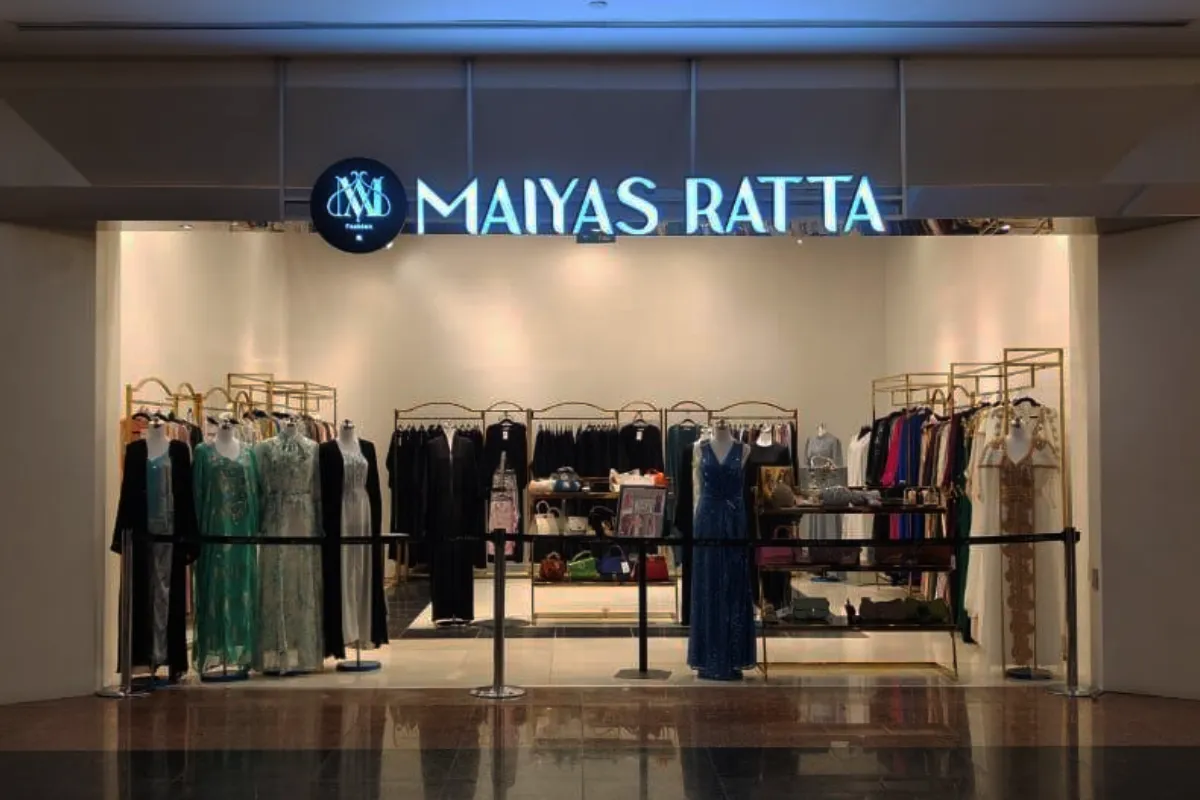
Store branding covers shopfront fascia signboards, illuminated facade 3D letters, blade signs, frosted and one-way vision window films, opaque blackout shopfront sticker, glass lettering, wall wraps and murals, wall lettering, acrylic signs, lightboxes, canvas and framed displays, standoff signs, and retail door and service area identification applied across the shopfront, glazing, and interior of a retail space.
The category applies to retail tenants in street-level strips, managed shopping environments, and community retail clusters where shopfront identity, window communication, and interior atmosphere operate as a single commercial system. Ninety Nine Advertising specifies, fabricates, and installs across all sign types within this category for retail formats in Abu Dhabi.
.webp)
Who Store Branding Is For
A small shop operator in a dense retail corridor needs stronger shopfront presence and clearer visual communication within a limited footprint.
A café, restaurant, or boutique owner needs interior atmosphere, zoning, and brand carry-through that shapes how the space feels once customers enter.
A mega store operator needs large-format interior brand continuity across multiple zones without changing the category of work.
A retail tenant in a managed shopping environment needs a coordinated exterior and interior identity that reads as established and commercially ready from approach to point of sale.
Store branding is the scope through which these requirements are resolved as one retail system rather than a collection of separate sign products.


Store Branding Approvals and Project Coordination
Committing production cost before permit approval is confirmed on exterior-facing store branding means artwork, materials, and fabrication may need redesign or removal at the tenant’s cost, even after installation.
Exterior-facing store branding in Abu Dhabi falls under the DMT signage framework, which controls what can appear on a shopfront facade. DMT restrictions cover reflective materials, Arabic language inclusion, illumination style, sign thickness, facade projection, and the supporting information permitted on the exterior surface.
These parameters must be resolved at design stage, not after artwork is production-ready. Interior signage may also require clearance or a permit to work where building systems or lease conditions are affected.
Approval timelines for exterior store signage range from two to three working days at the faster end to one to two weeks where submission complexity, managed-property requirements, or authority review queues extend the process.
A complete submission requires technical drawings, material information, and fixing details. Incomplete submissions are the most common reason shorter approvals extend toward the longer end of the range.
Managed retail locations and landlord-controlled environments require a formal NOC before government submission can open. The NOC confirms the sign type, position, fixing method, and approved facade zone against lease conditions and landlord fit-out requirements. This is a separate workflow stage before regulatory submission, not a parallel process. We manage NOC coordination and permit submission as one project scope.
Arrange a site and compliance review before any specification or cost is committed.


.webp)

Store Branding Types and What Each One Does
Shopfront Identity & Exterior Presence
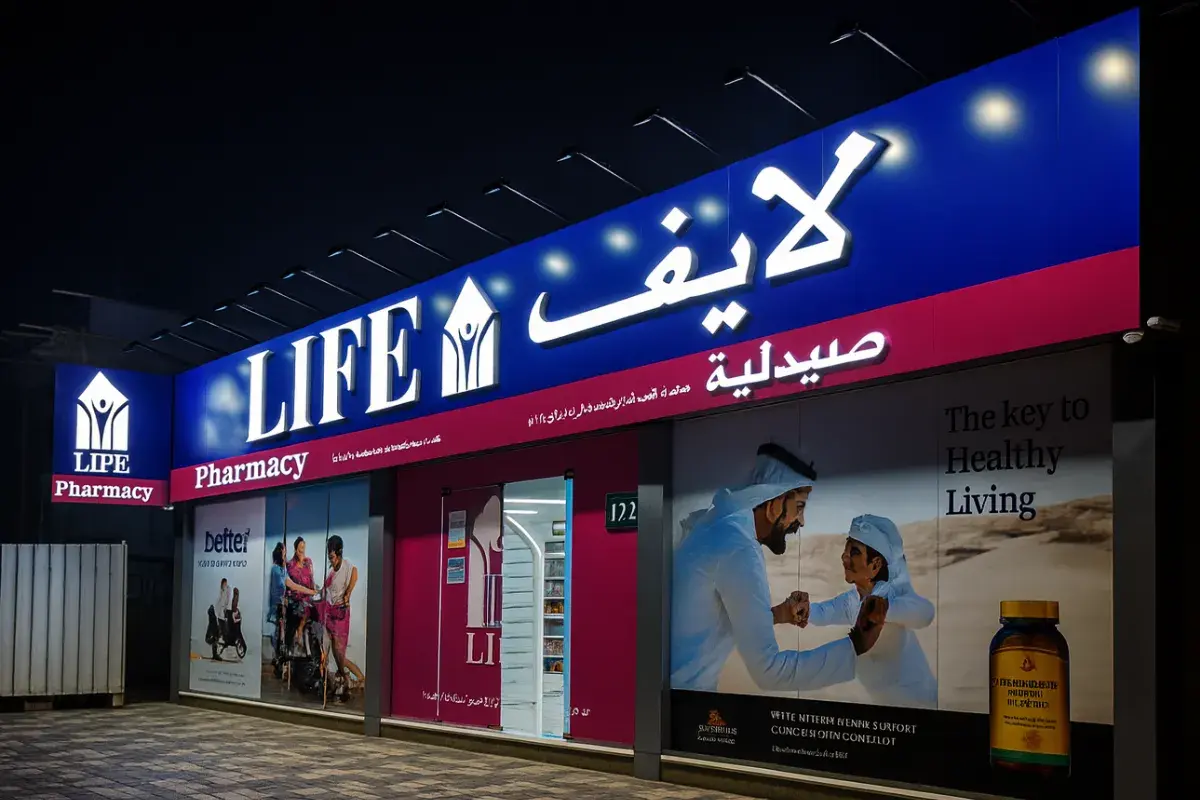
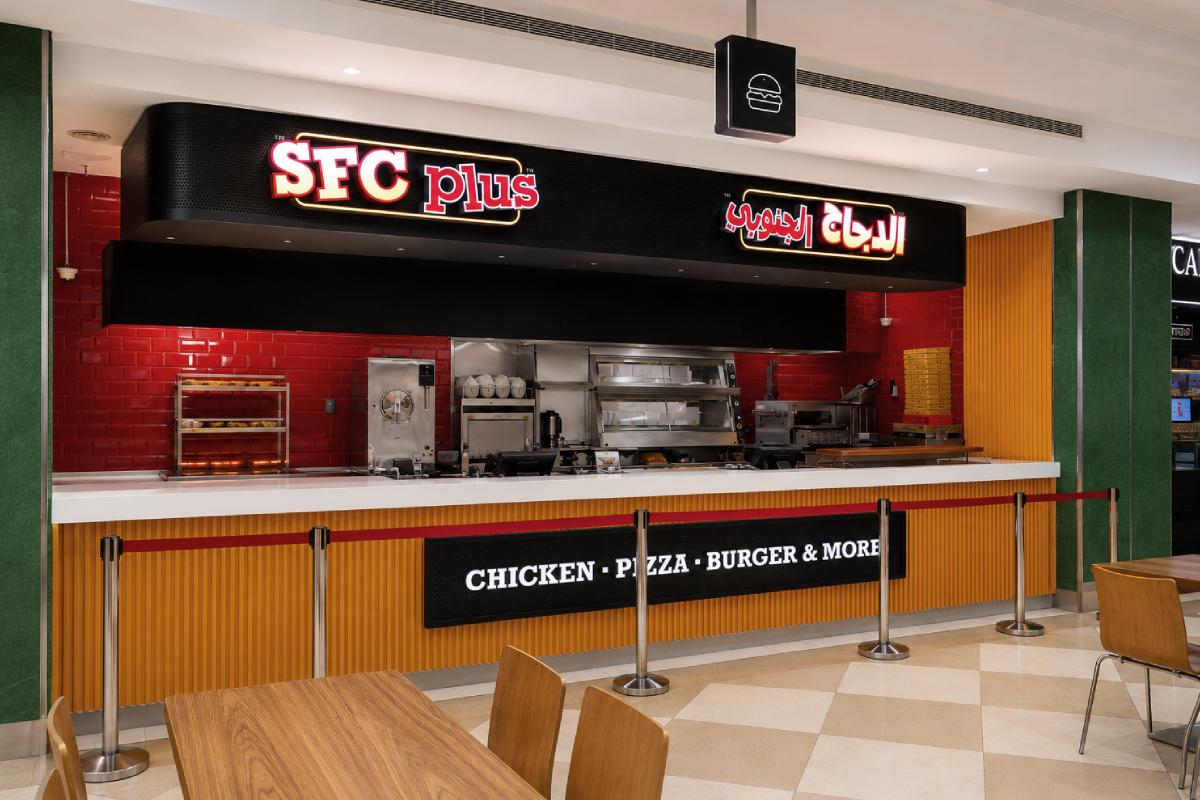
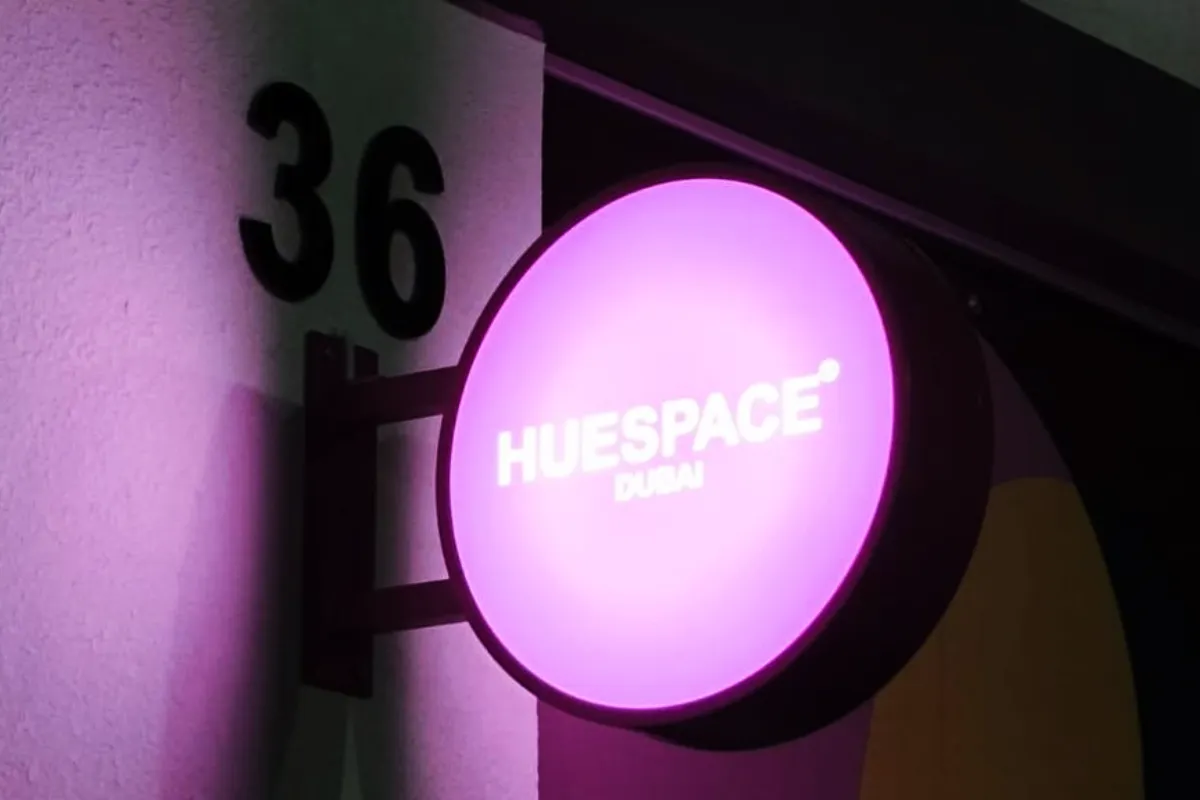
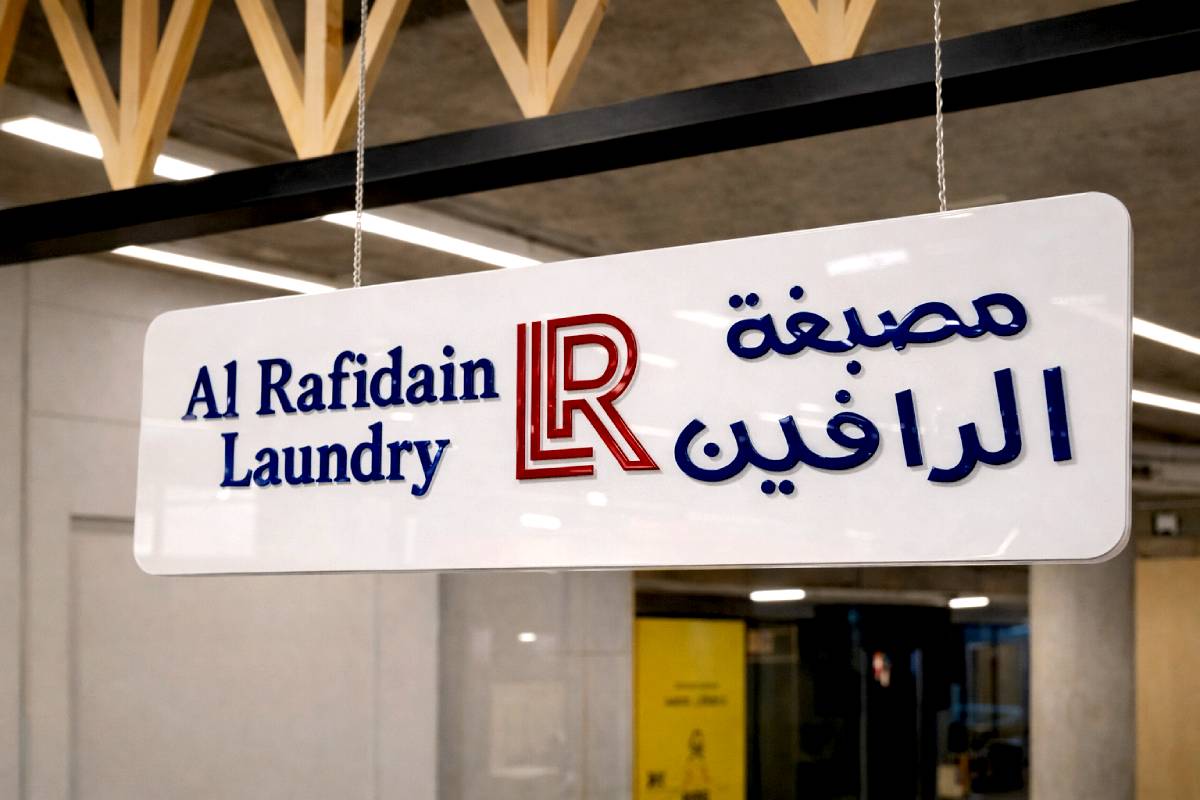
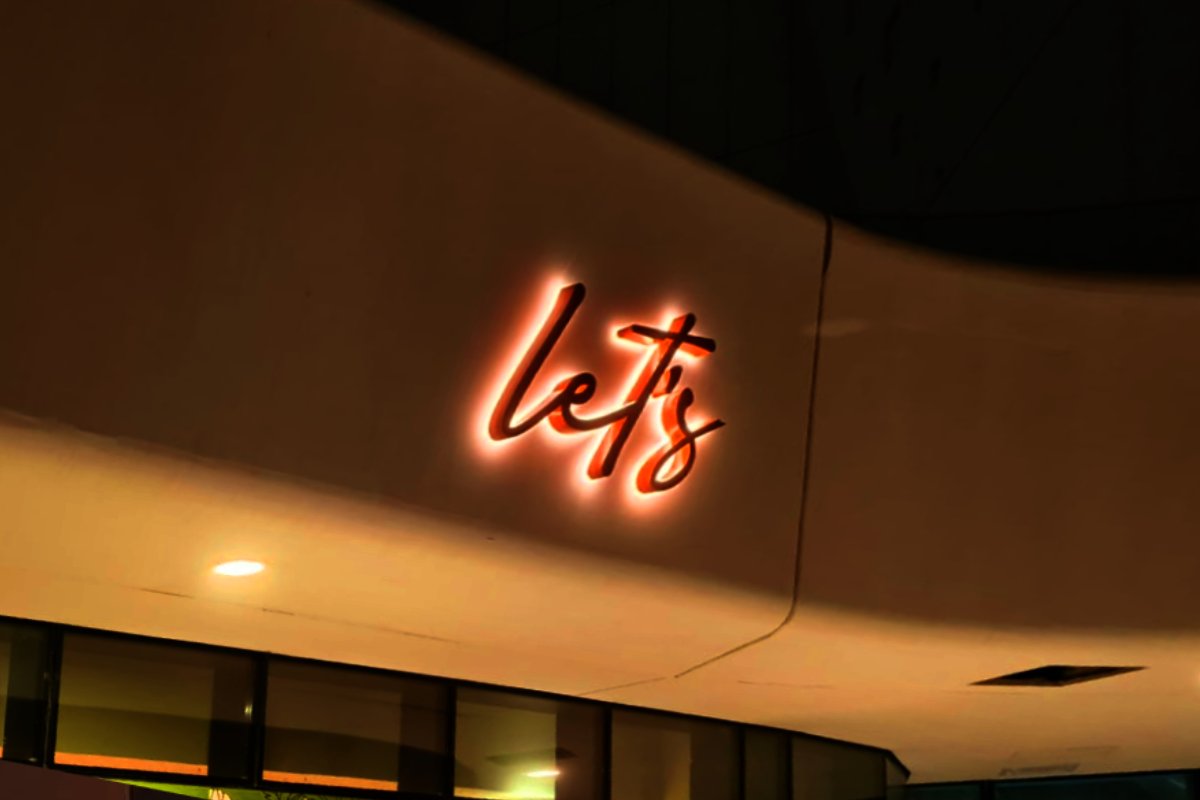
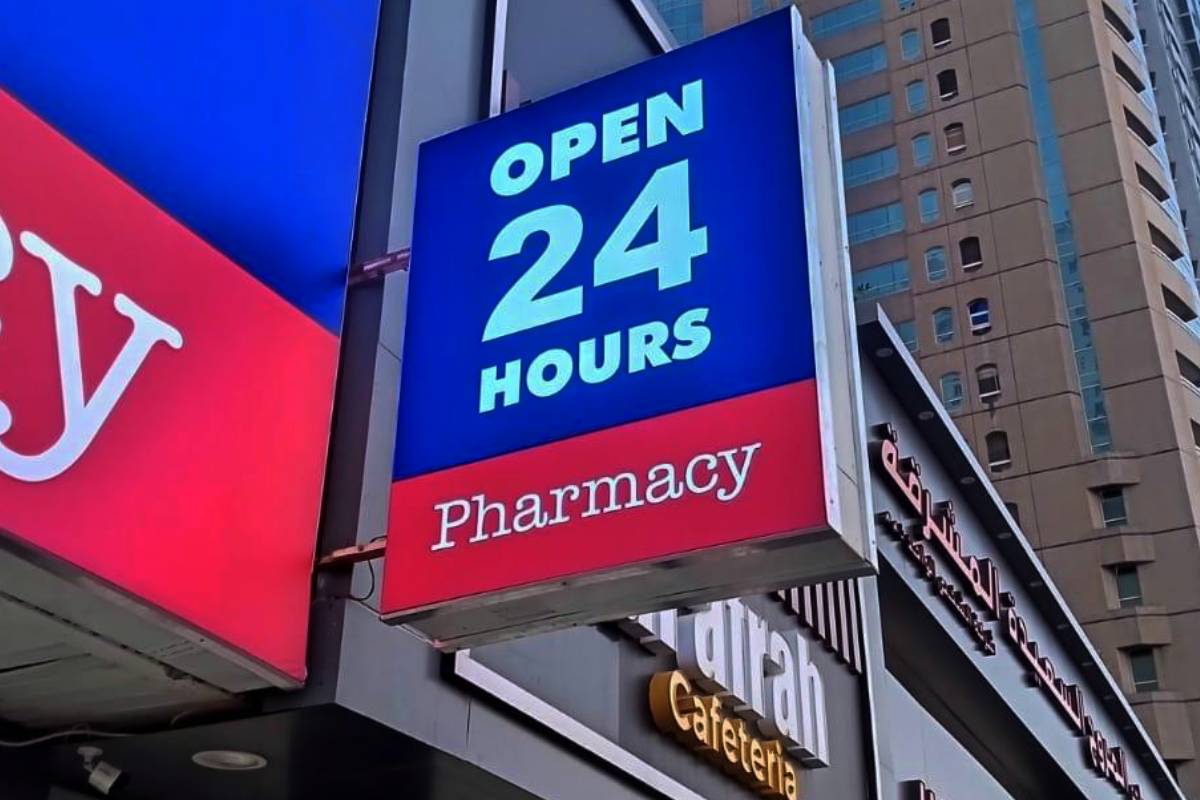
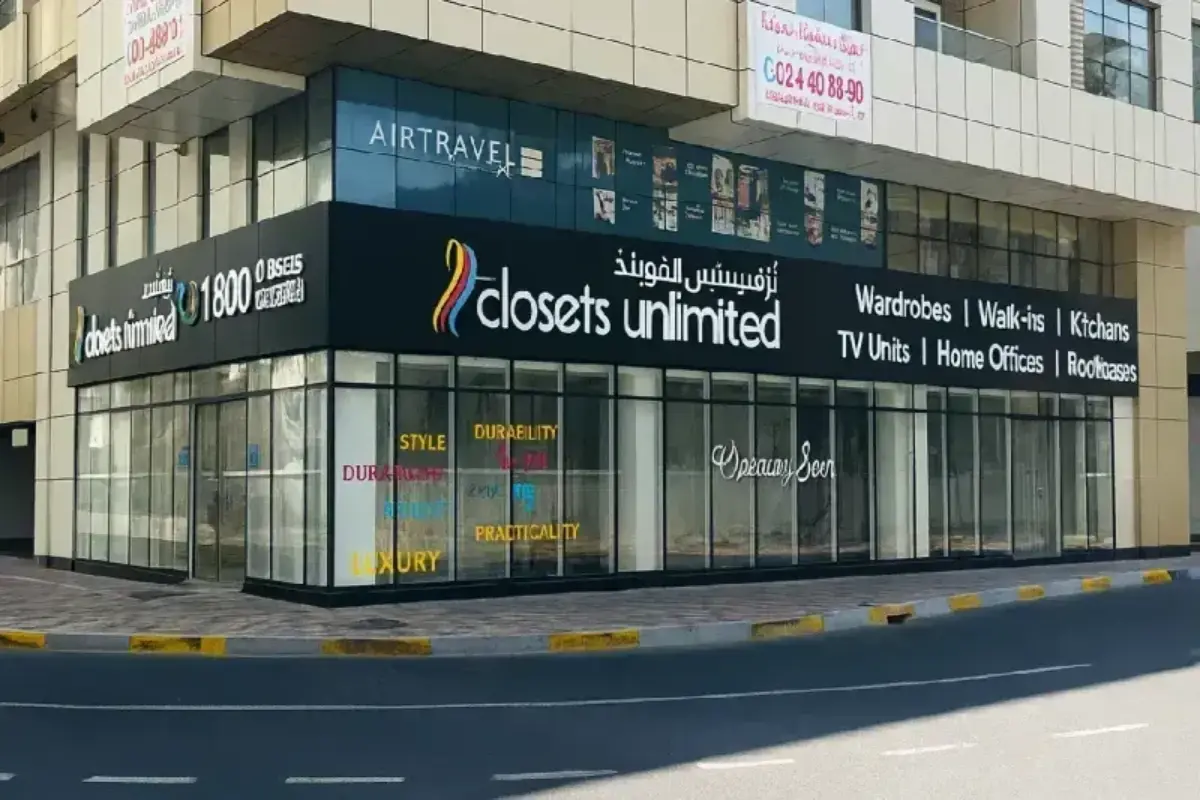
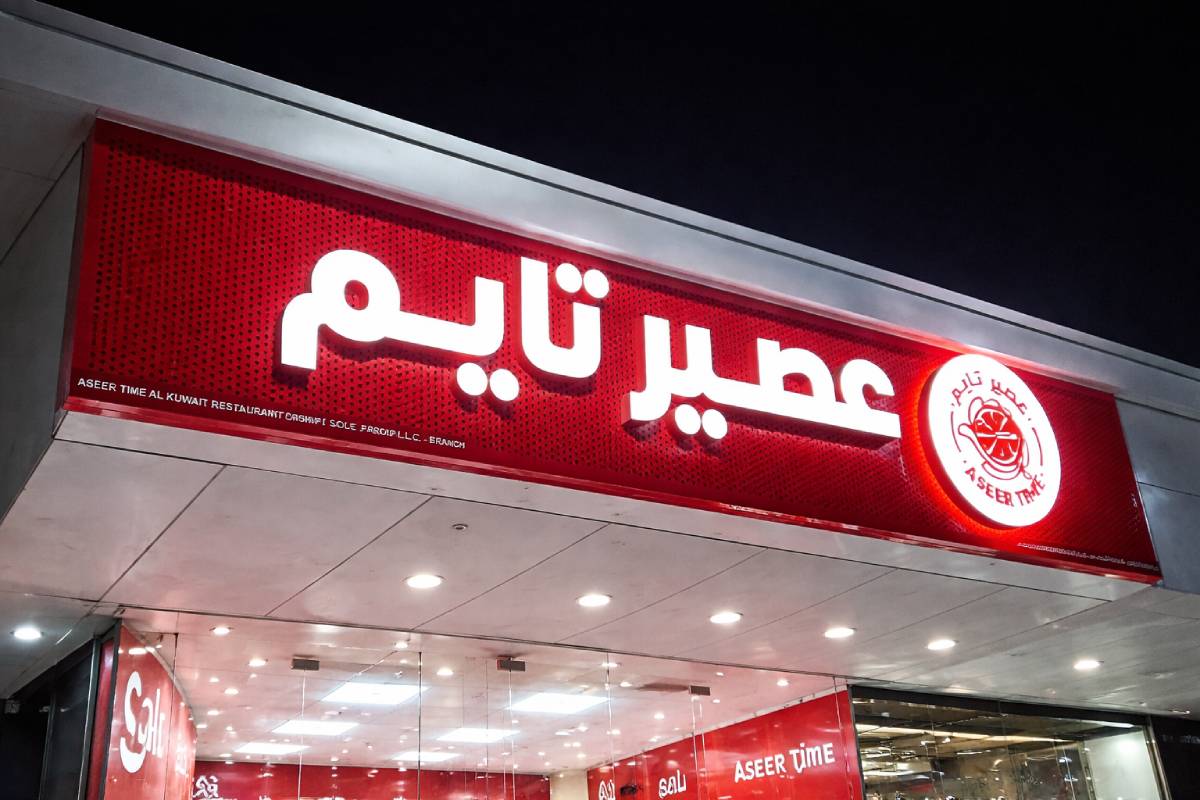
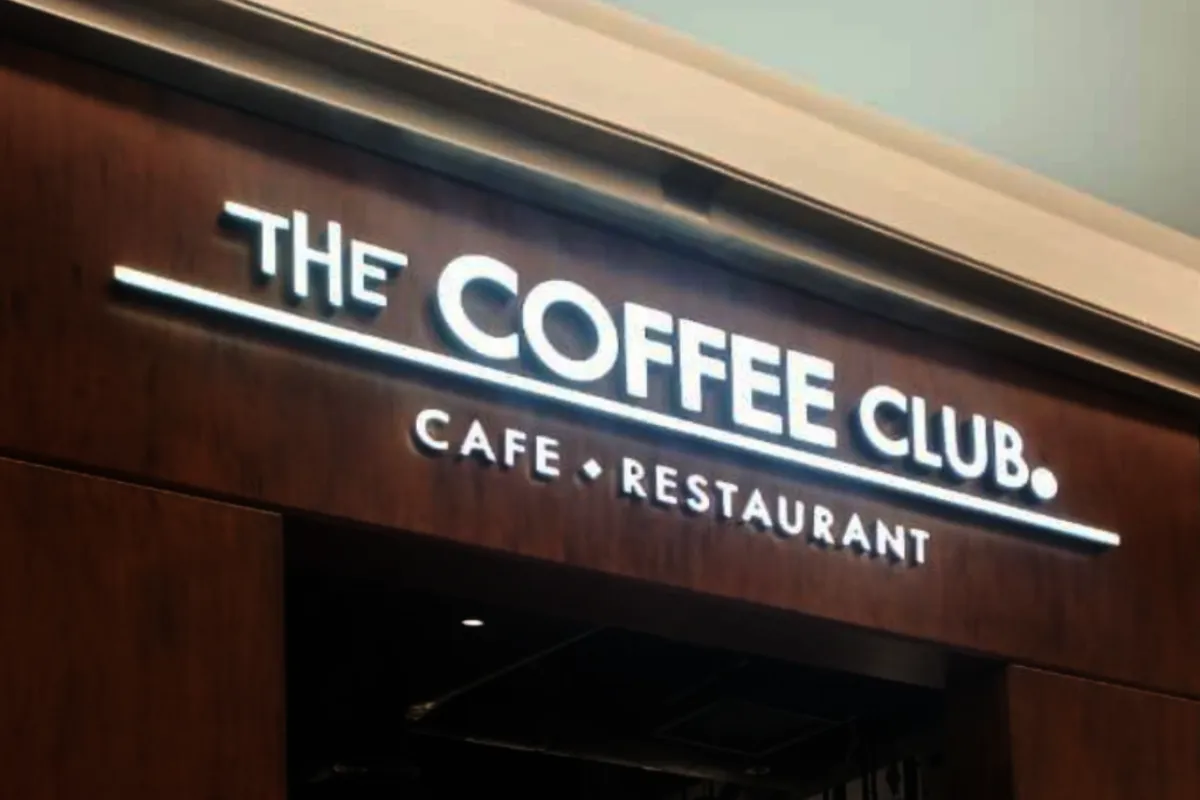
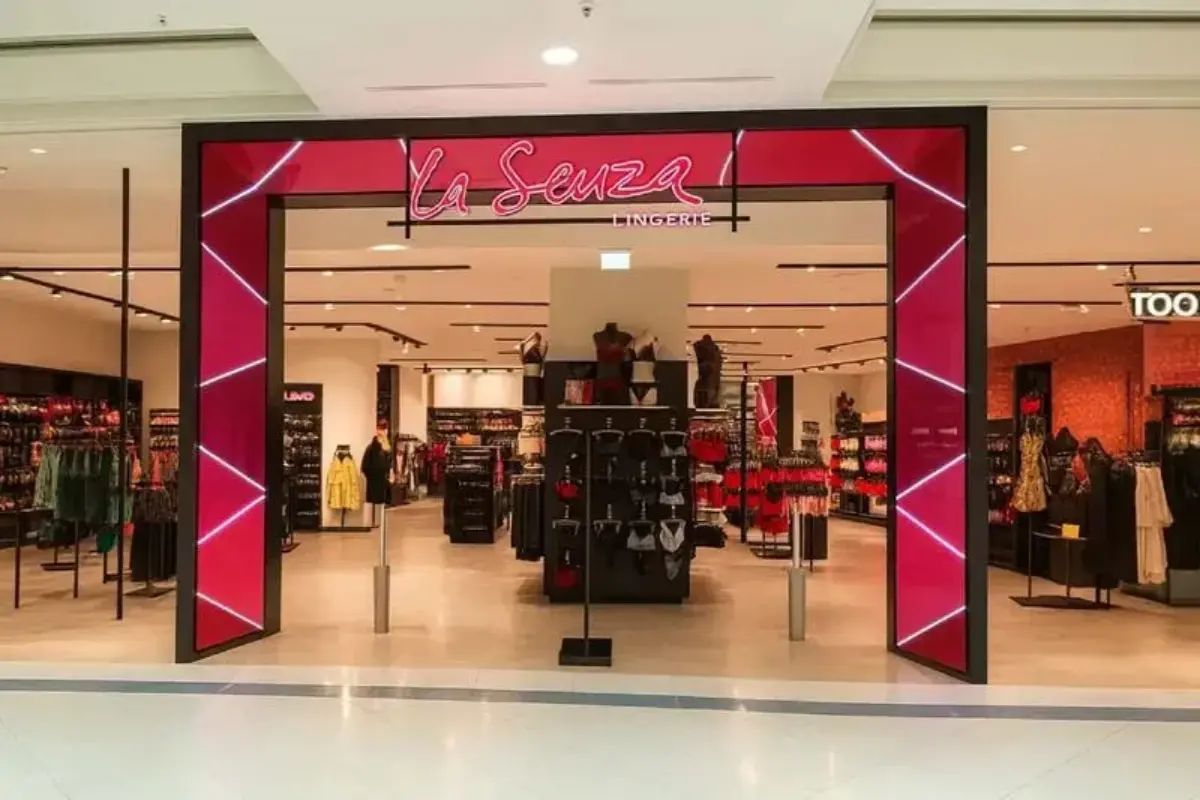
The shopfront fascia is the primary identification layer between passing footfall and the store entrance. Retail storefront signboards establish name recognition and anchor the exterior brand across street-level and mall-facing positions. Illuminated 3D letters add depth and visibility during evening trading hours. Blade signs extend recognition perpendicular to the fascia, converting side-angle approach into identification where a fascia alone cannot reach.
Window Communication, Privacy & Glazing Control
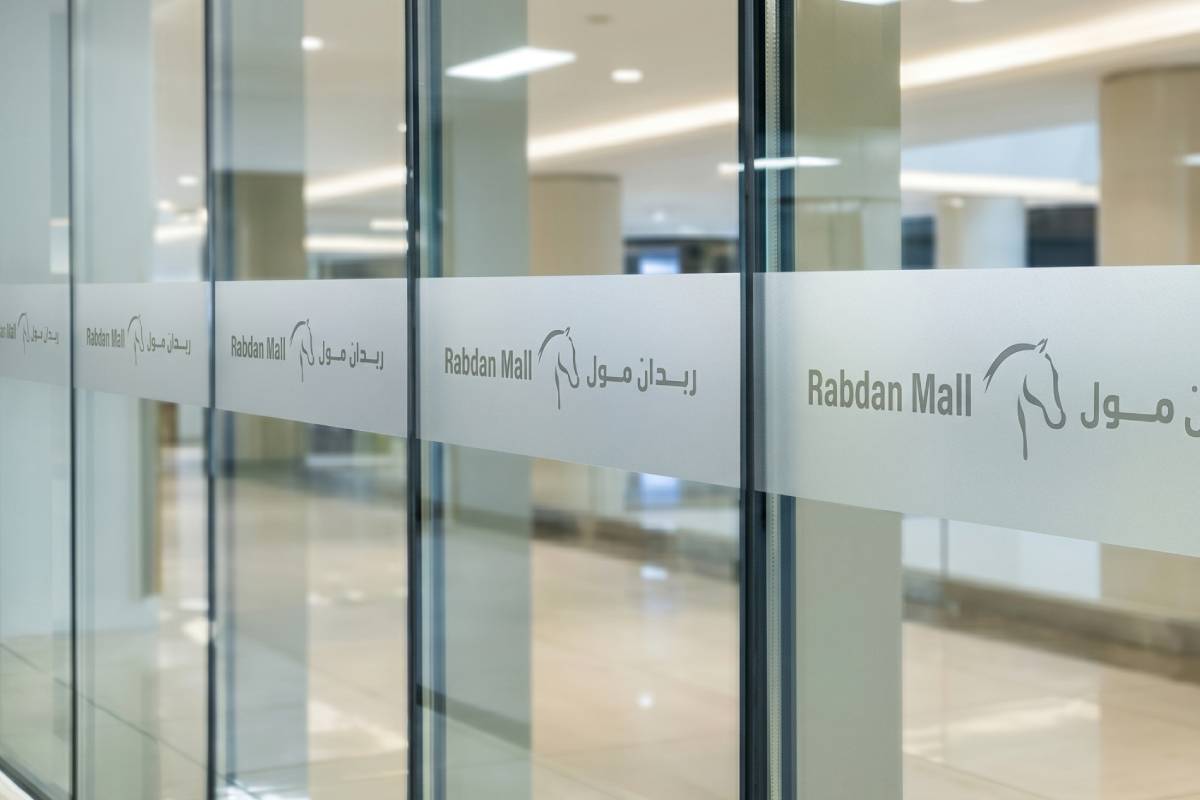
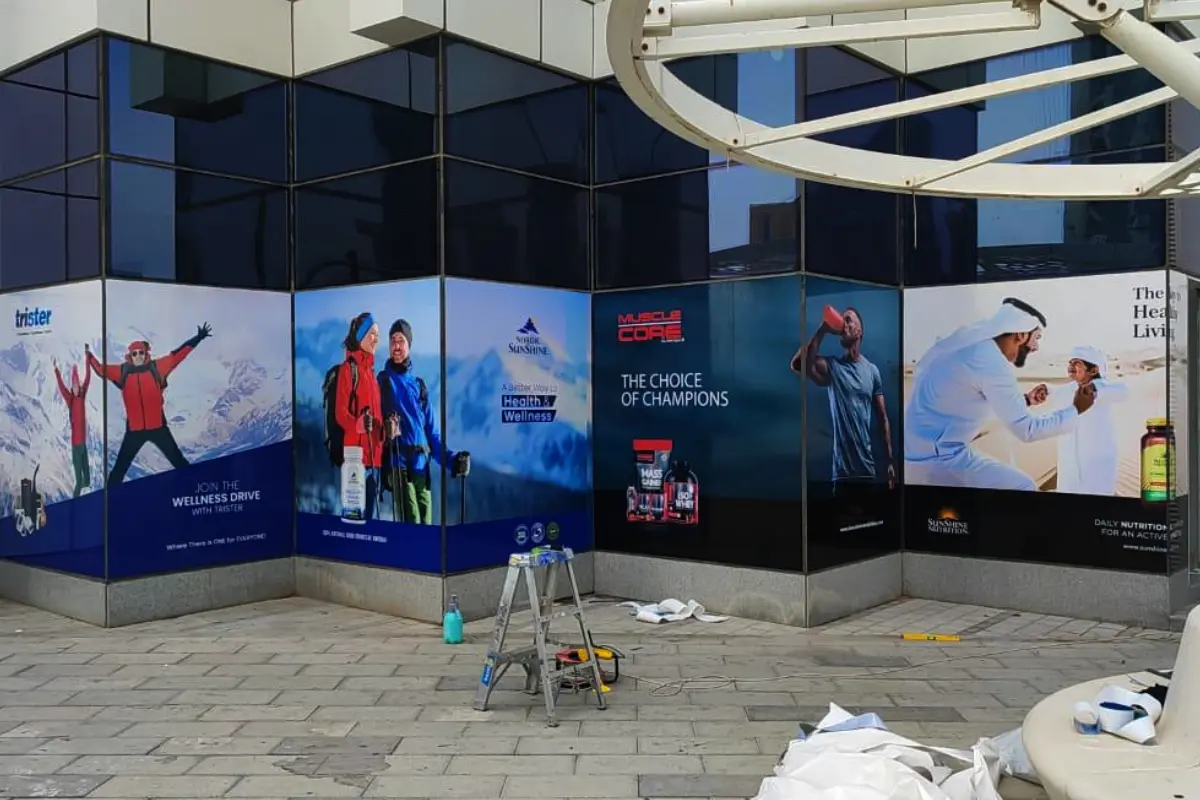
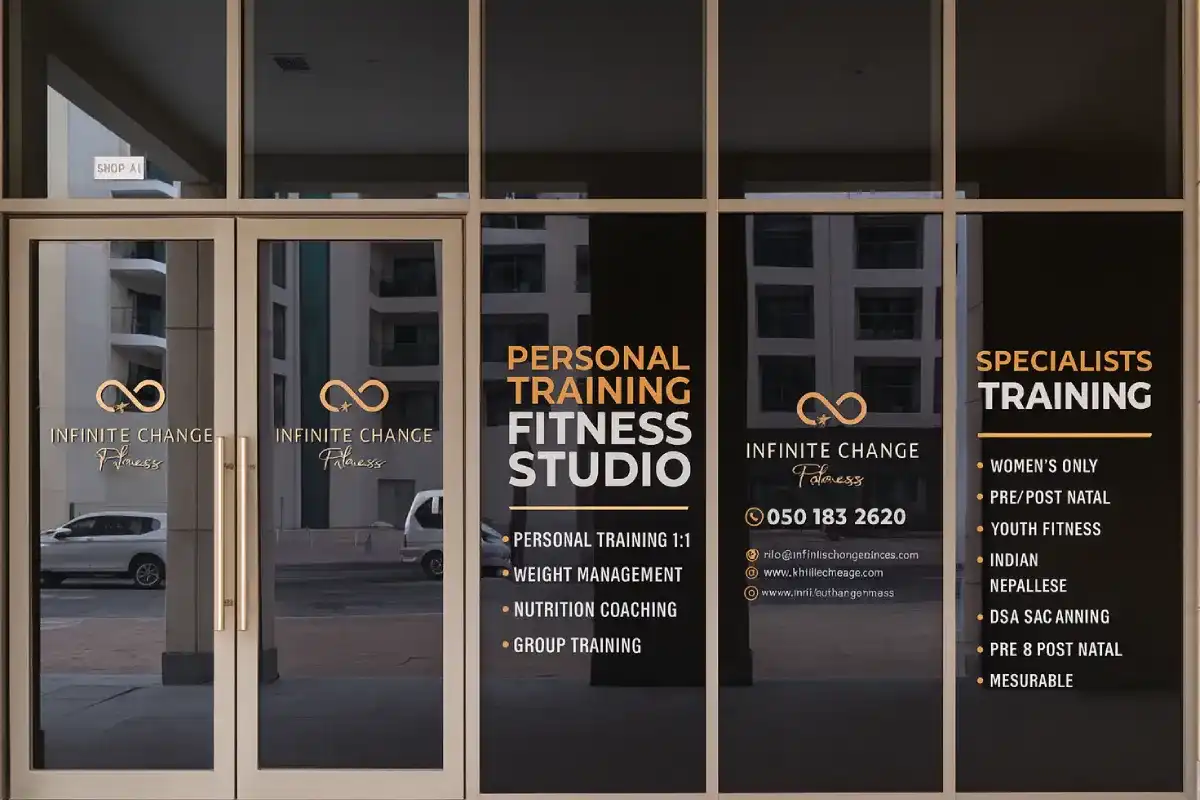
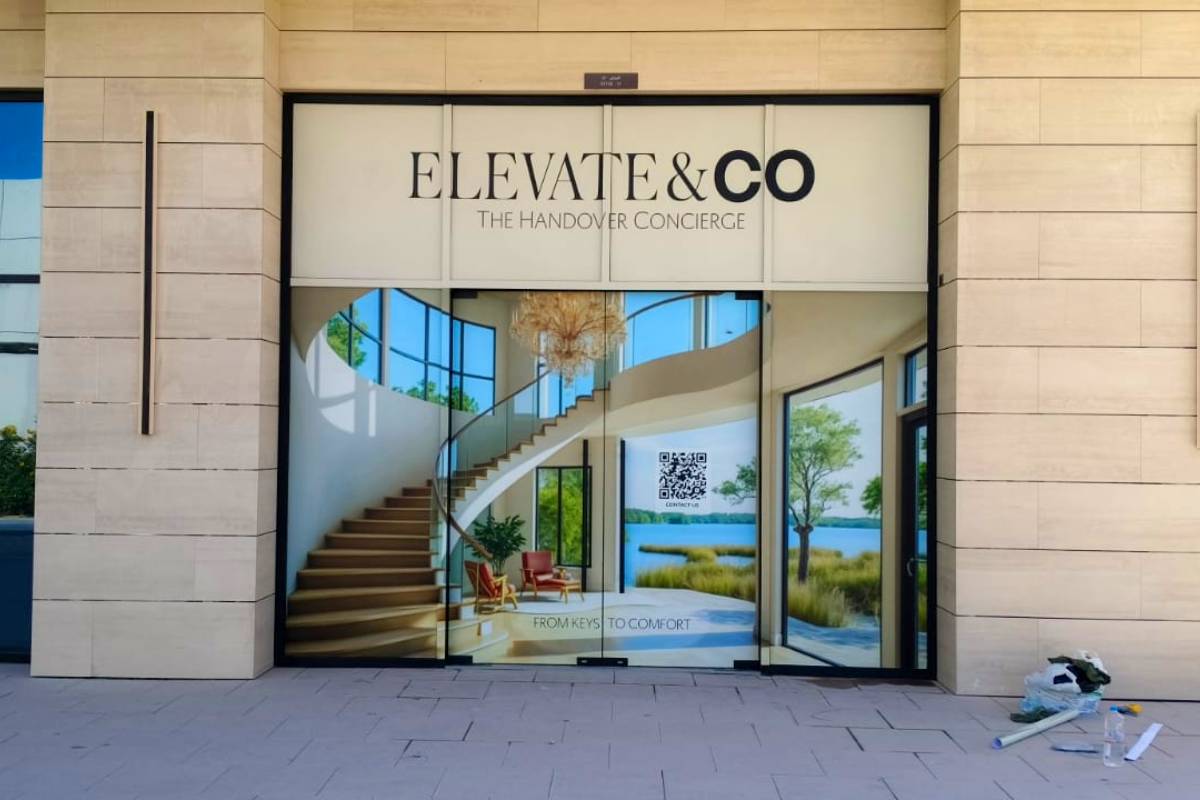
Storefront glazing carries promotional, privacy, and identification functions that operate independently of the fascia sign. One-way vision film delivers outward-facing graphics while retaining interior daylight. Frosted film controls visibility and adds branded treatment to partitions and street-facing glass. Opaque shopfront graphics convert full glazing panels into campaign or screening surfaces. Glass lettering communicates trading hours, retail information, and safety detail directly on the glass.
Interior Wall Branding & Atmosphere
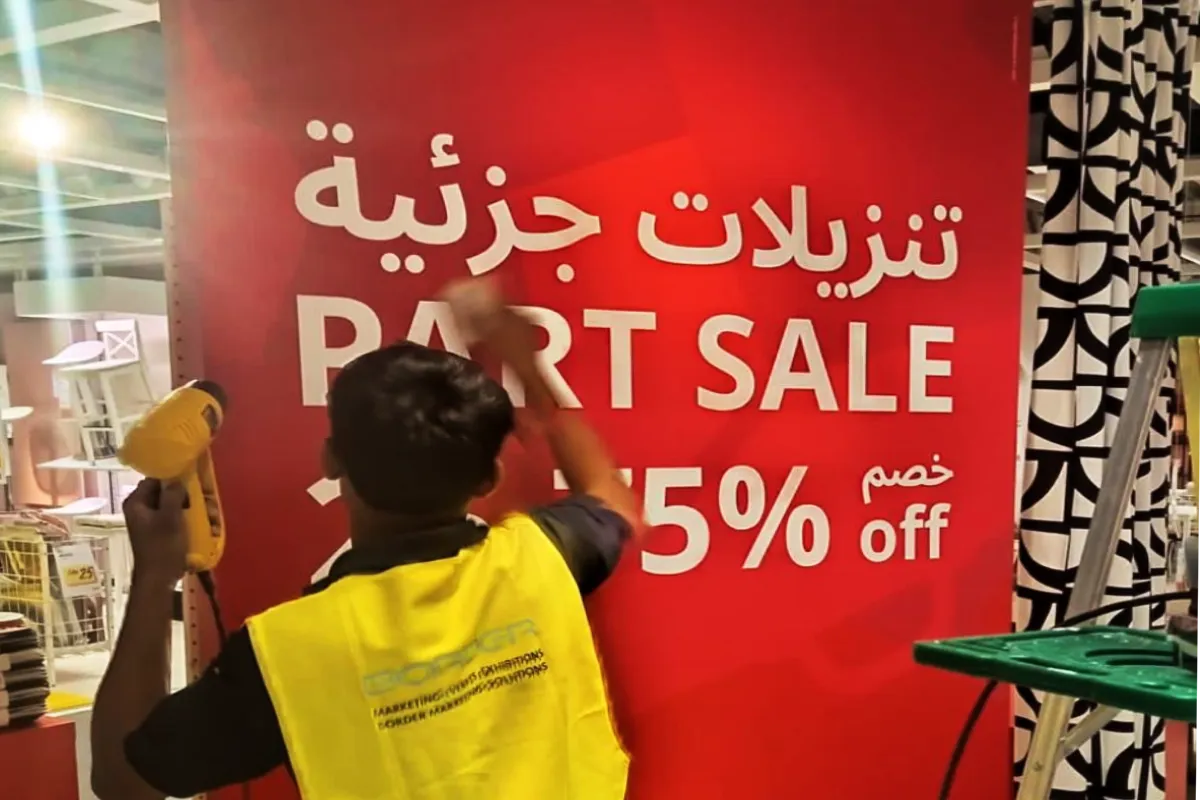
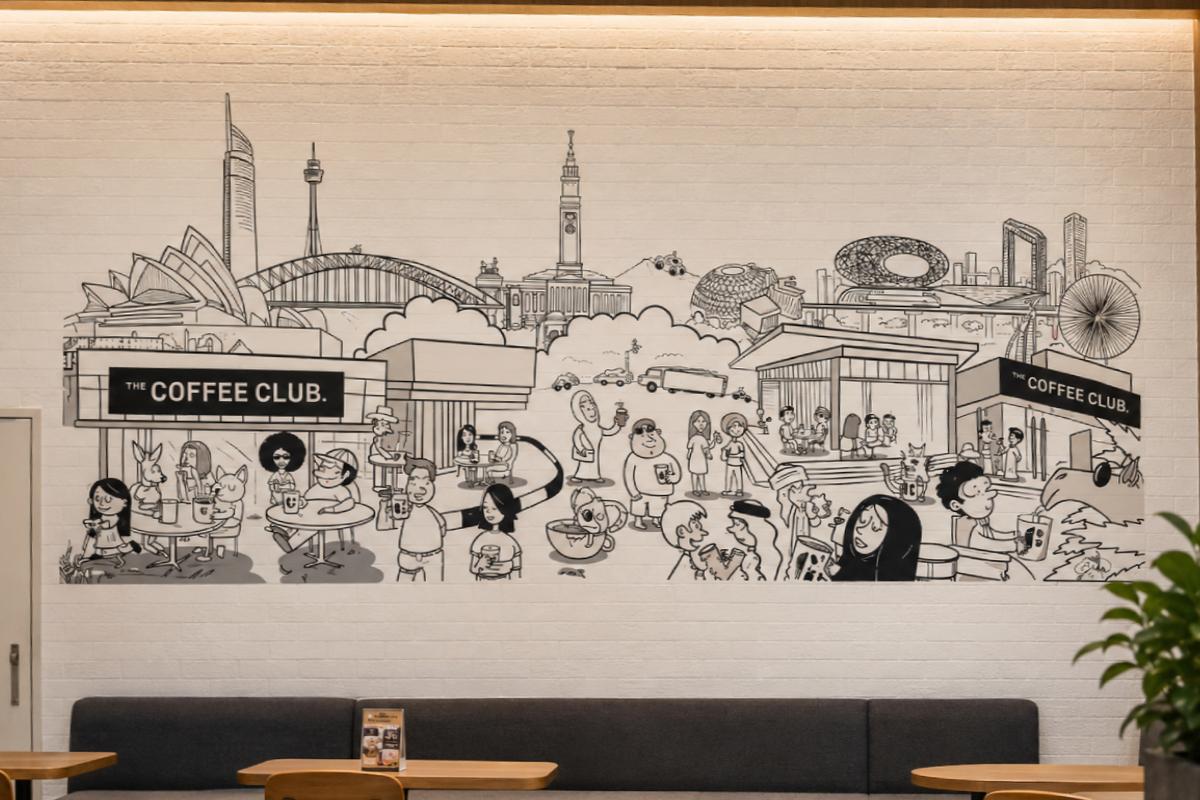
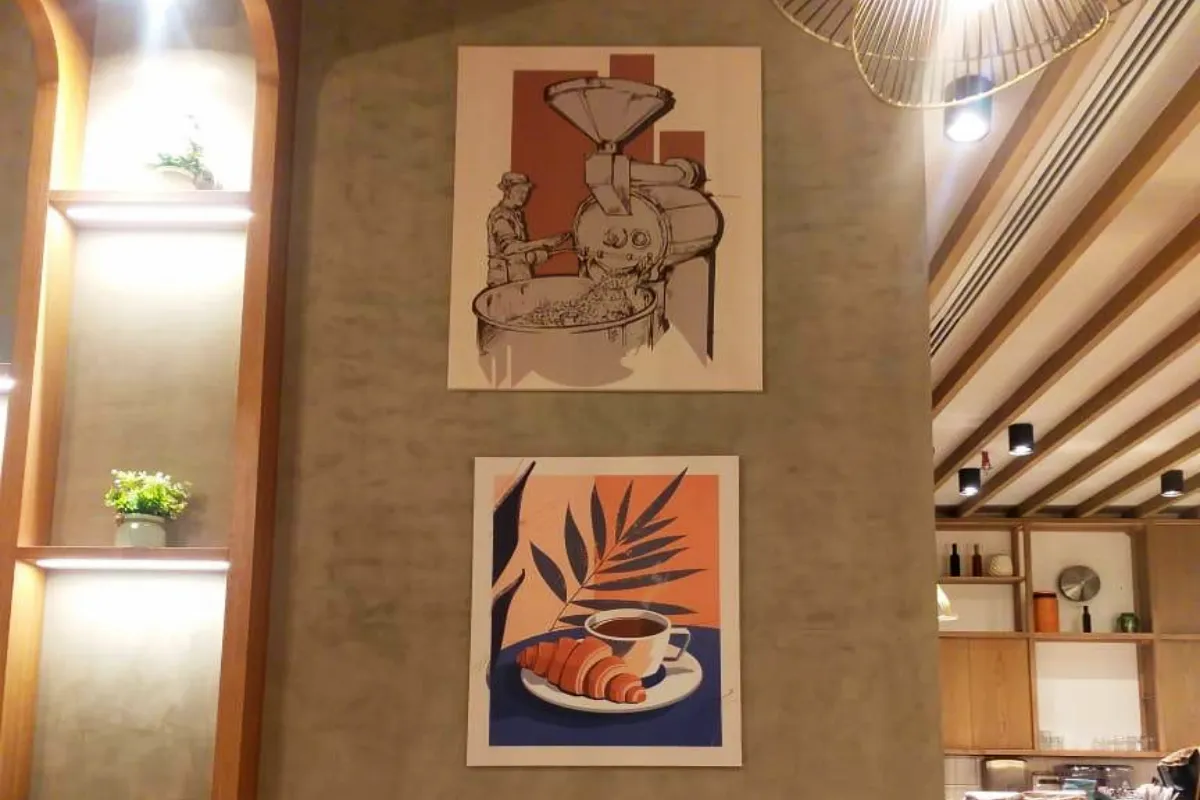
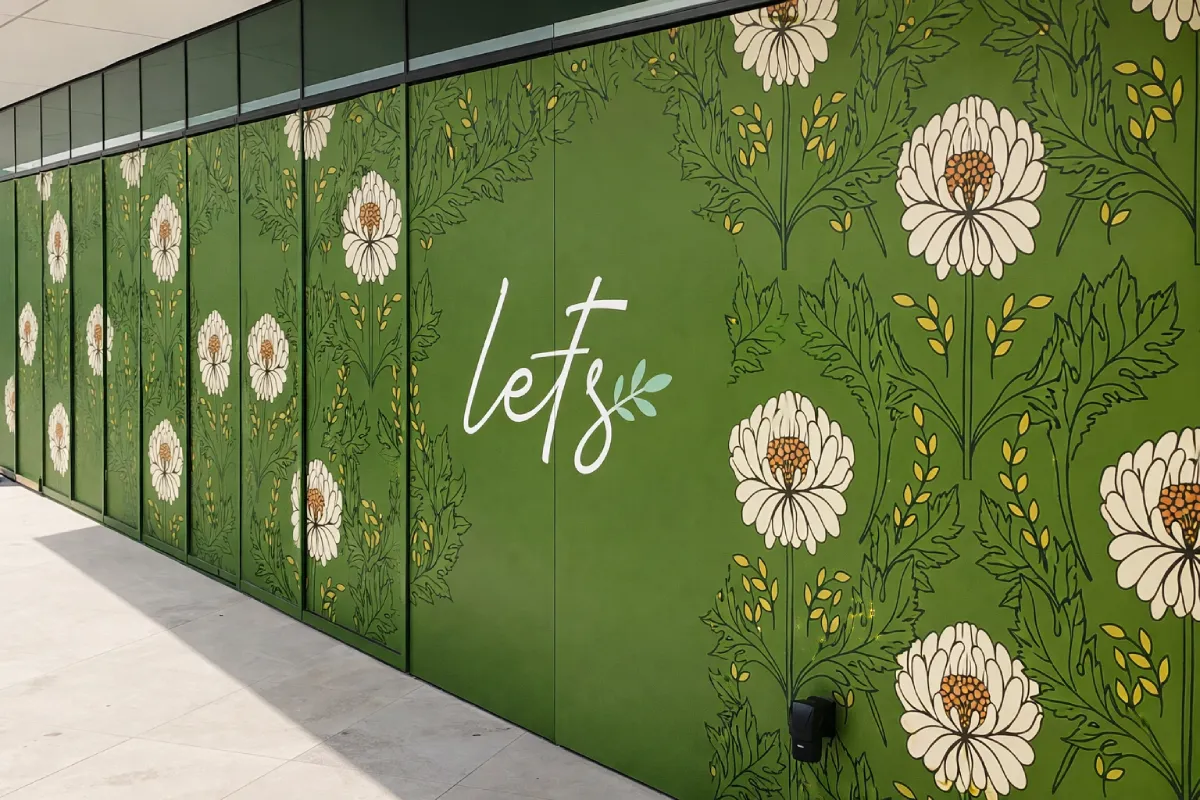
Interior walls carry atmosphere, brand messaging, and product context across the full customer journey inside the store. Wall wraps and murals cover large surface areas with continuous graphics at campaign or brand storytelling scale. Wall lettering applies names, statements, offers, and service detail directly onto interior surfaces. Canvas and framed displays add a more considered decorative finish where replaceable visual modules and a curated result are required.
Dimensional & Feature Brand Elements
Dimensional elements introduce physical depth and spatial authority that printed surfaces cannot replicate. Reception and feature signs anchor brand identity at entry walls and client-facing focal zones using CNC-cut acrylic and aluminium composite builds. Acrylic signs carry product displays, wall features, and in-store logos where a considered finish is the brief. Standoff signs mount floating acrylic panels with an architectural gap from the wall surface for product messaging and branded retail displays.
Illuminated & Promotional Display Surfaces
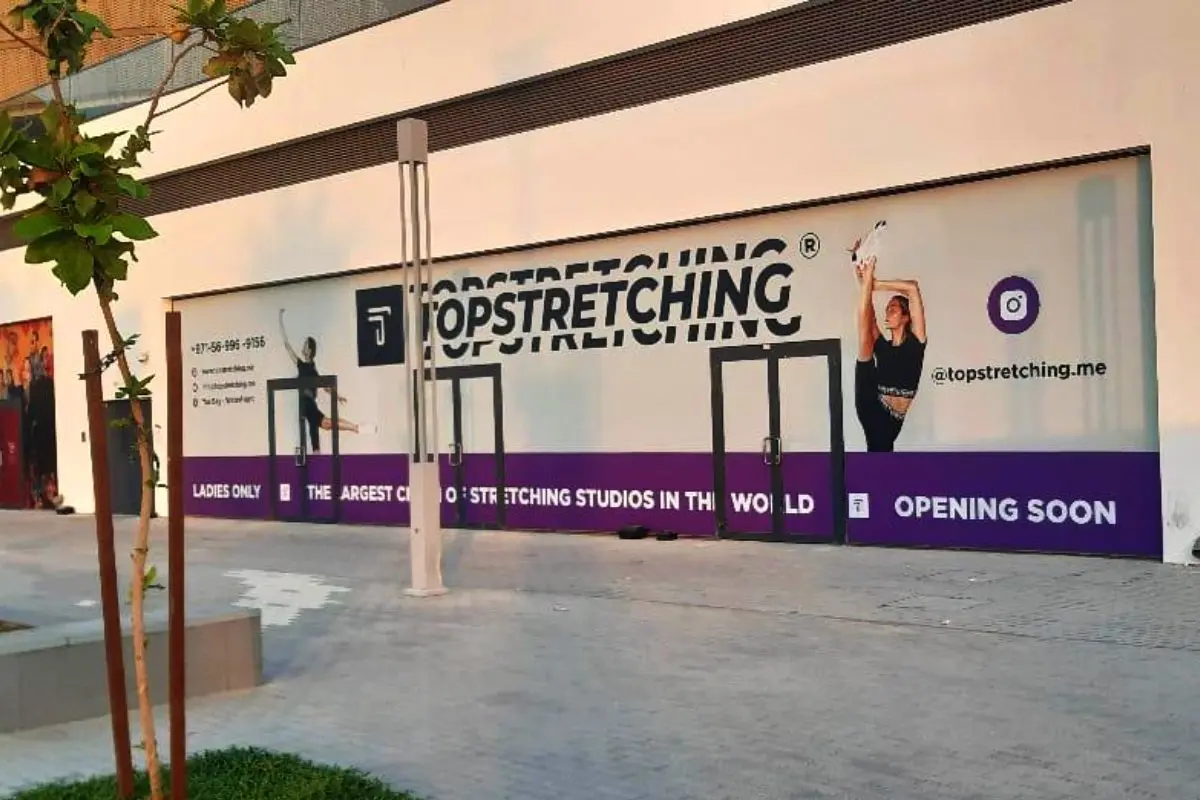
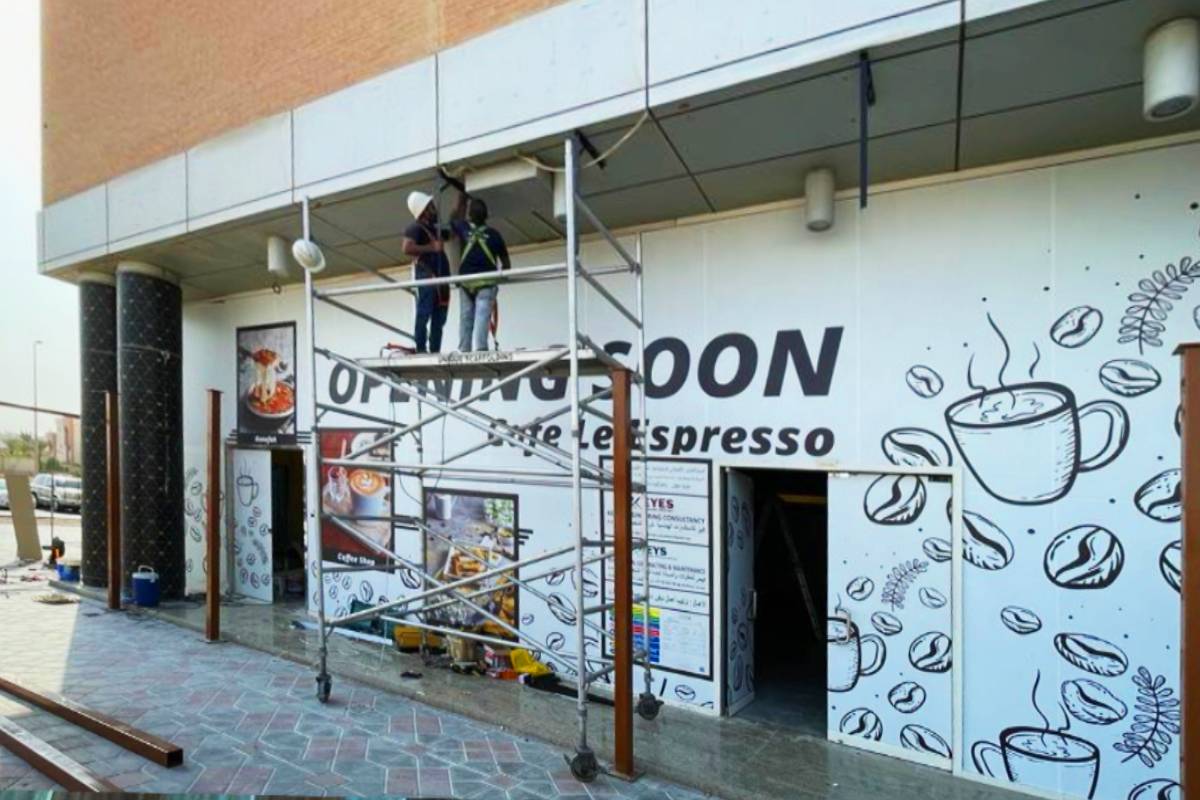
Illuminated and campaign surfaces extend brand communication into lower-light trading conditions and high-footfall promotional periods. Retail lightboxes deliver consistent illuminated presence for in-store promotions and window features using opal acrylic faces and Samsung chip LEDs. Opaque shopfront graphics convert glazing into a full campaign surface for opening-soon phases, promotional takeovers, and privacy-led retail branding where complete coverage is the requirement.
In-Store Navigation & Zone Identification
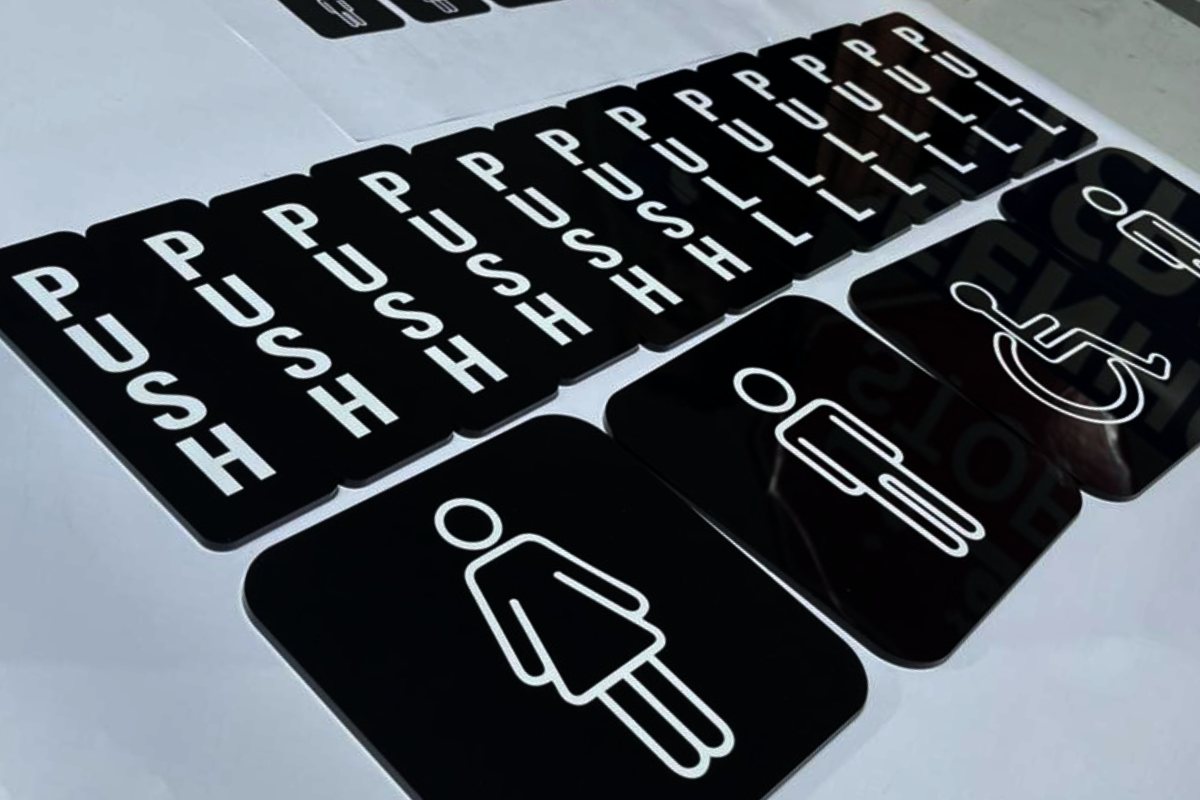
Clear zone identification reduces friction at every customer decision point and supports movement from entry to point of sale. Retail door and service area signs keep fitting rooms, staff doors, counters, and internal zones consistently labelled as a coordinated system across the full floor. For multi-location operators in Abu Dhabi, a matched identification family maintains interior coherence across every unit without per-zone variation in format or finish.
Explore Our Store Branding Solutions
Our store branding solutions are designed to improve visibility, support promotions, and create a more consistent retail identity across the customer journey. Our solutions include shopfront signs, window graphics, in-store branding elements, and retail display solutions, with pricing, turnaround time, and warranty details available on each product page.

Retail Storefront Signboards

Reception & Feature Signs

Retail Store Blade Signs

Frosted Glass Film

One Way Vision for Shopfronts

Opaque Shopfront Graphics
.webp)
Retail Glass Lettering

Retail Wall Lettering

Wall Wraps & Murals

Door & Service Area Signs

Retail Acrylic Signs

Retail Lightboxes

Canvas & Frames

Retail Standoff Signs


.webp)

Materials Specified for Abu Dhabi Interior Conditions
Material selection for store branding in Abu Dhabi is determined by mid-to-high 40s°C temperatures, UV Extreme classification, thermal cycling on exterior glazing, and air-conditioned interior service conditions — specification starts with those conditions, not appearance.
Exterior Signs
Outdoor signage use UV-stable cast acrylic faces in powder-coated aluminium frames. Extruded acrylic yellows progressively under Abu Dhabi UV; cast acrylic holds colour across the full installation period. Samsung chip LEDs and Mean Well drivers are specified for illuminated fascia and lightbox builds — underspecified drivers lose lumen output before mid-service life under sustained ambient heat.
Window Films
Window branding is specified by exposure position and function. Permanent shopfront one-way vision uses 3M 8170-P40 or P50 — a 4-mil cast perforated film; calendered alternatives are short-term only and not substitutes for permanent positions. Exterior frosted positions use Avery Frosted Glass at 80 microns with seven-year outdoor durability or 3M Crystal Glass Finishes; interior-only 3M FASARA on exterior glazing produces edge instability under thermal cycling. Opaque blockout uses Avery MPI 3009 PP with black adhesive or Avery 900 Supercast Blockout below 0.001% light transmission where standard promotional vinyl produces light bleed on west-facing glazing. Exterior cut lettering uses 3M ElectroCut 7725 at eight-year outdoor life or Avery 800 Premium Cast at ten years; calendered vinyl lifts at edges under thermal cycling.
Interior Wall Branding
Wall branding is specified against confirmed surface condition. Avery Dennison MPI 8621 is used on smooth cured walls; MPI 8024 EA Hi-Tack where adhesion demands are higher; 3M IJ8624 for textured substrates. Interior lettering uses ORACAL 638 for removable applications and ORACAL 951 where permanent specification is required.
Correct specification across all categories eliminates adhesion failure, edge lift, light bleed, and premature LED failure before any installation reaches its intended service life.
Our Store Branding Process from Site Review and Design to Production, Approvals and Installation
Store branding works best when design, technical planning, approvals, production, and installation are handled as one coordinated workflow. That reduces mismatches between the shopfront and interior, avoids rework during approvals, and gives the store a cleaner path from concept to opening.
Site Assessment
A store branding project begins with a physical review of the shopfront, glazing, and interior surfaces — confirming dimensions, wall condition, paint cure state, substrate construction, glass type, and building management constraints before any specification is agreed.
We conduct the site assessment before any scope is contracted, confirming film grade, fixing method, approved facade zone, and DMT compliance requirements so that specification changes after contracting begins are eliminated at the outset.
Engineering and Contracting
Scope, material specification, artwork proofing, and all required approvals are confirmed and agreed before production begins.
We lock film grade and sign specification against Abu Dhabi's mid-to-high 40s°C conditions and UV exposure, proof artwork against DMT content and coverage requirements, coordinate the landlord NOC where the unit is within a managed retail environment, and confirm the full approval sequence before any fabrication cost is committed.
Fabrication and Production
Signs, window films, wall graphics, and interior elements are produced against the confirmed specification and approved artwork, with quality checks completed before any unit or panel leaves the workshop. We fabricate to the confirmed material set — cast acrylic fascia components, 3M or Avery window film grades as specified, ORACAL or Avery Dennison wall systems, Samsung chip LEDs, and Mean Well drivers for illuminated elements — with installation access and scheduling coordinated before dispatch.
Installation and Handover
Installation is completed against confirmed fixing method, surface preparation, and approved artwork before handover is accepted.
We verify film adhesion and edge seal integrity, dimensional element fixing against wall construction, seam alignment, wiring concealment, and final visual registration against the approved proof — handover is completed only when the installed store matches the confirmed specification in full.


Delivered Store Branding Projects Across Abu Dhabi
Madang — Holiday Inn Abu Dhabi by IHG
Storefront window graphics across the restaurant's street-facing glazing. The installation communicated cuisine type and dishes to passing hotel visitors with no prior awareness of the venue, converting exterior glazing into an active identification and orientation tool at point of approach. Check Project
IKEA — Al Wahda Mall, Abu Dhabi
Interior store wall branding using high-grip textured wallpaper across the flagship showroom. The textured wall finish differentiated the retail environment from standard mall surfaces, supporting in-store brand presence under the operational and lighting conditions of a managed shopping environment. Check Project
49er's Steakhouse — Al Reem Island, Abu Dhabi
Facade signage delivering skyline-level visibility through 3D exterior lettering, door identification signs guiding visitors to the destination within the mall, and a 3D front sign in the seating area establishing atmosphere at the interior brand focal point. Check Project
Awarid Cosmetics — Tourist Club Area, Abu Dhabi
Eight-set fully compliant storefront sigboard installation delivered for a new branch opening, paired with a 3D backlit reception sign in brushed gold stainless steel establishing first-impression brand presence at the interior entry point. Check Project
Store Branding FAQs for Retail Businesses in Abu Dhabi
Common queries about services, permit timelines, and installation in Abu Dhabi.
What does store branding cover?
Store branding covers the shopfront fascia, window graphics, and interior surfaces as a coordinated retail system. Product types include fascia signboards, illuminated 3D letters, blade signs, one-way vision and frosted window film, opaque shopfront graphics, glass lettering, wall wraps, wall lettering, acrylic signs, lightboxes, canvas and framed displays, standoff signs, and door and service area identification.
Does store branding in Abu Dhabi require permits?
Exterior-facing work is governed under the DMT signage framework and requires permit approval before installation. DMT restrictions cover Arabic language inclusion, illumination style, reflective materials, sign thickness, projection, and facade zone limits. Interior branding may also require clearance where building systems or lease conditions are affected. Managed retail locations and landlord-controlled environments additionally require a landlord NOC before government submission opens.
How long do store branding approvals take in Abu Dhabi?
Approvals for exterior store branding run from two to three working days at the faster end to one to two weeks where submission complexity, managed-property NOC requirements, or authority review queues extend the process. An incomplete submission — missing technical drawings, material information, or fixing details — is the most common reason a shorter process extends toward the longer end of that range.
Do I need landlord approval for store branding in a managed retail environment?
Yes. Managed retail locations and landlord-controlled environments require a formal NOC confirming sign type, position, fixing method, and approved facade zone before government submission opens. This is a distinct workflow stage that precedes the regulatory submission. Ninety Nine Advertising manages NOC coordination and permit submission as a single project scope.
What window film types are available for shopfront glazing?
Five film routes apply to shopfront glazing: one-way vision for outward-facing graphics with retained interior visibility; frosted film for privacy and branded glass treatment; opaque blockout for full-coverage campaign or screening applications; optically clear film for corporate glazing where the glass appearance must be preserved; and cut vinyl lettering for trading hours, retail information, and safety detail. Film grade is determined by exposure position — interior and exterior specifications are not interchangeable.
What causes window film to fail on Abu Dhabi shopfronts?
The primary causes are wrong film grade for the glass type or exposure position, interior-only film applied to exterior glazing producing edge instability under thermal cycling, and calendered vinyl used in permanent streetfront positions where cast-grade film is required. Substituting short-term campaign material for a permanent specification produces adhesion failure before the installation reaches its intended service life. Film grade is confirmed against exposure conditions before artwork is committed to production.
Can store branding cover both the exterior and interior of a retail space?
Yes. Store branding operates as a single retail system connecting shopfront identity, window communication, and interior atmosphere. The scope can range from a stronger shopfront presence with cleaner window communication for a small shop, to large-format interior wall branding, zoning, and dimensional signage for a boutique, café, restaurant, or mega store format.
What materials are used for exterior signboards in Abu Dhabi?
Exterior fascia signboards use UV-stable cast acrylic faces in powder-coated aluminium frames. Cast acrylic holds colour under Abu Dhabi's UV Extreme classification; extruded acrylic yellows progressively and is not used for permanent exterior positions. Illuminated builds use Samsung chip LEDs and Mean Well drivers, specified to maintain consistent lumen output under sustained ambient heat.
Can wall branding be applied inside a retail store without building management approval?
In many managed retail and mall environments, interior wall branding requires a NOC from building management before production begins — covering materials, fixing methods, and wiring concealment. Standard interior graphics inside a leased retail space do not typically require an ADM or ADDED permit, but where the installation becomes public-facing or functions as a signboard, classification may shift and requires separate review.
Can existing store branding be updated or partially replaced without full replacement?
In many cases, yes. Window film, cut lettering, and modular interior elements can be updated selectively where the substrate condition and original specification support it. Illuminated fascia components and 3D letters typically require full replacement rather than partial modification — partial replacement creates visible colour and illumination output inconsistency across the sign face. The update scope is confirmed at site assessment before any replacement cost is committed.
How long does a store branding project take from assessment to installation?
Project duration varies by scope, product mix, quantities, surface area, and approval requirements. A single window branding or glass lettering job can complete within one day. A full store branding scope covering exterior signage, window treatment, and interior elements — particularly where DMT permit approval, landlord NOC, or access coordination is required — can run up to four weeks. Duration is confirmed at site assessment once scope, product types, and the applicable approval route are established.