.svg)

Vehicle Branding & Vehicle Graphics in Abu Dhabi
Ninety Nine Advertising LLC prints and installs vehicle graphics for company cars, delivery vans, buses and trucks across Abu Dhabi. Graphics are printed on cast vinyl with overlaminate in our Musaffah workshop, and TAMM vehicle advertising permits can be handled as a separate PRO service.


Vehicle Branding for Abu Dhabi Company Fleets
Company cars, vans and trucks are seen every day on Abu Dhabi roads and at client sites. Vehicle branding puts your name, logo and contact details on those daily routes, with graphics planned for the vehicle shape and local heat. We plan, print and install the graphics, from a single car to a mixed fleet.
Vehicle Graphics Options for Cars, Vans and Trucks
Vehicle graphics in Abu Dhabi need artwork that fits the body shape, and commercial branding needs a TAMM advertising permit for each vehicle. Choose the option that matches your coverage and budget: full or partial wraps, fleet lettering, car stickers and decals, box truck branding, reflective safety markings or food truck branding.
.jpg)

Full Vehicle Branding
-p-800.jpg)
Partial Vehicle Branding
Fleet Lettering & Decals

Box Truck Branding
-p-800.jpg)
Reflective Vehicle Graphics

Food Truck Branding
Vehicle Graphics Projects in Abu Dhabi
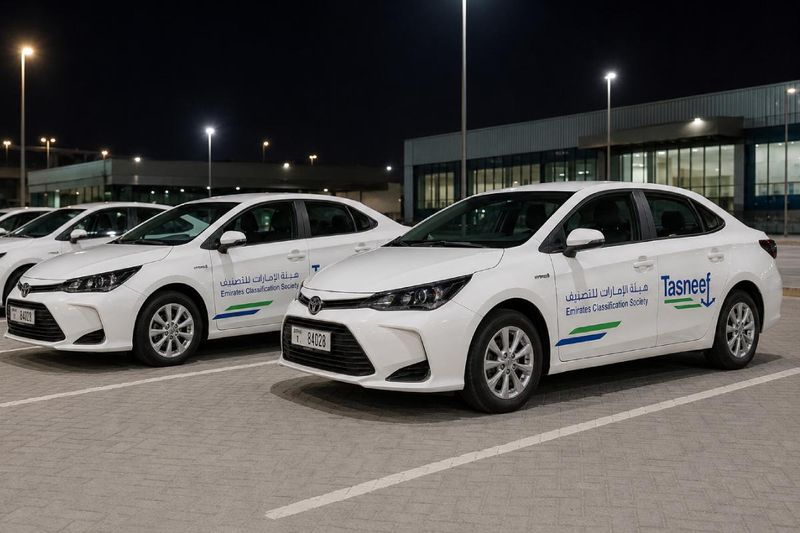
- Emirates Global Motors, Abu Dhabi:
Unified branding across a mixed fleet, visual consistency maintained across different body types. View Project →
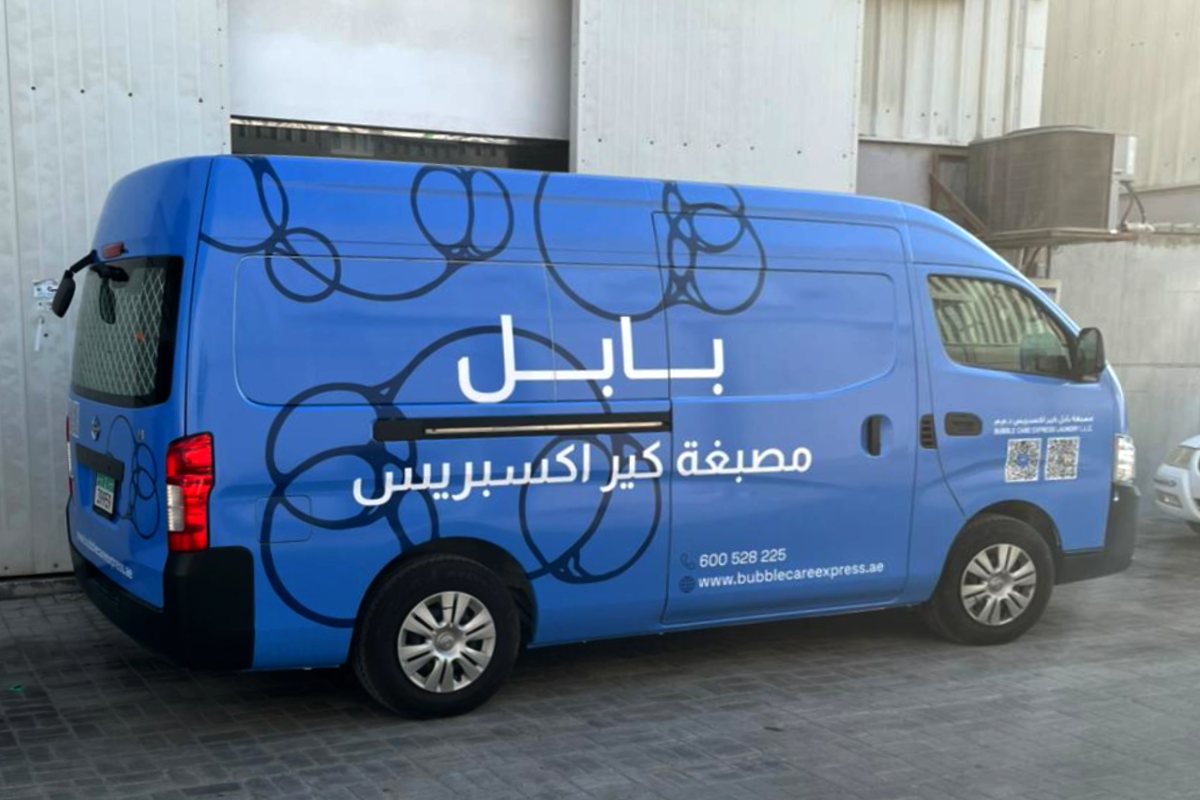
- Bubble Care Express Laundry, Abu Dhabi:
Fleet branding delivered for the project vehicles. View Project →
- Al Rafidain Laundry, Abu Dhabi:
Fleet rebranding with a redesigned livery for the vans. View Project →


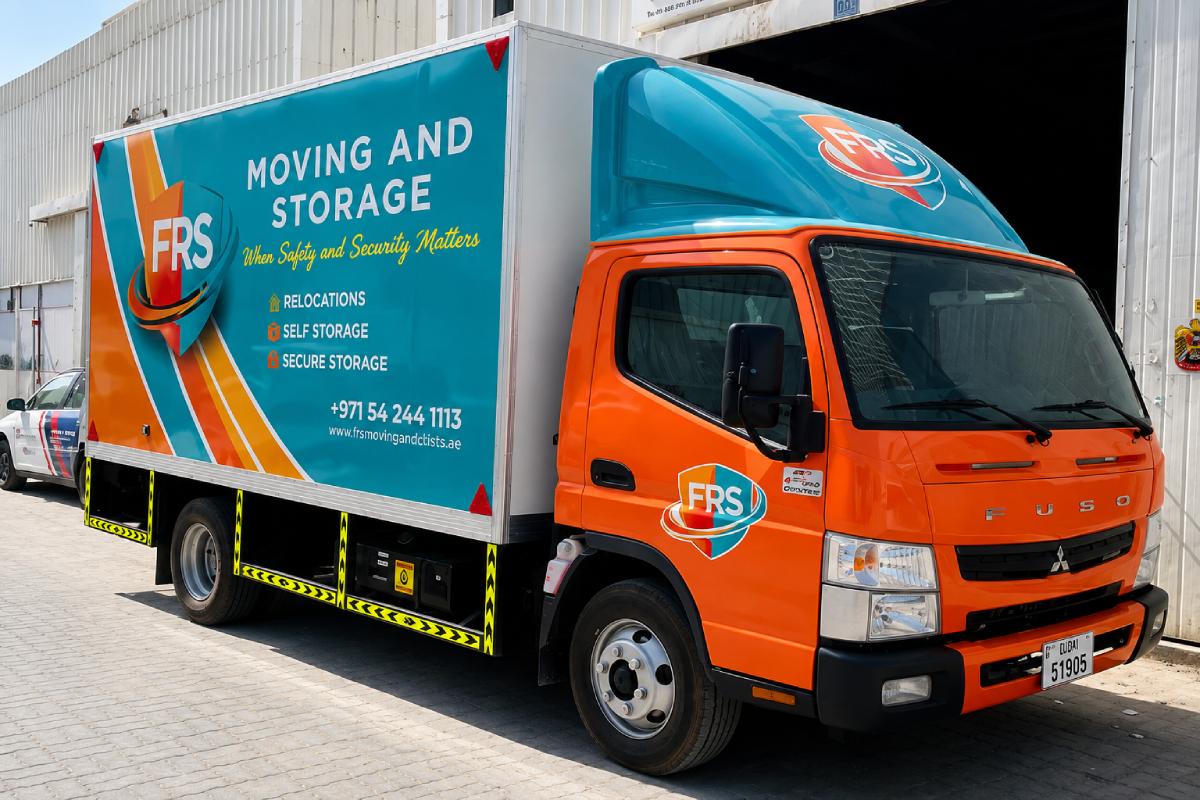


Share your vision with our branding experts today to launch a market-ready identity that instantly converts your target audience.
Dedicated Vehicle Branding & Fleet Graphics Company in Abu Dhabi
Transforming your company cars, delivery vans, and heavy trucks into local advertising requires more than just printing a sticker. The right car wrap depends on your vehicle's shape, day and night visibility, and strict Abu Dhabi permit requirements.
Ninety Nine advertising LLC handles the entire process. From artwork resizing and high-quality vinyl printing to TAMM permit documentation and professional installation, we ensure your commercial fleet graphics remain consistent, durable, and legally compliant across all your vehicles.
Local Compliance & TAMM Permit Context
In Abu Dhabi, commercial vehicle advertising is strictly governed by the Department of Economic Development (ADDED) and processed through the TAMM portal. Every commercial vehicle requires its own chassis-specific advertising permit—meaning a fleet of ten vans requires ten separate permits
Abu Dhabi Permit Rules
Graphics are not allowed on the driver cabin glass (windscreen, cabin side windows and rear window), including one-way vision film. Your own logo needs a valid trademark registration certificate, and another brand's logo needs the owner's authorisation letter. For the documents and the reasons applications get rejected, read our Abu Dhabi Vehicle Advertising Permit Guide before finalizing your artwork.
Fleet Branding Risk Prevention
Avoiding costly mistakes is why fleet managers choose Ninety Nine advertising LLC. We protect your investment from these common UAE market failures:
- DED Trade Name Mismatch: If your artwork’s trade name or logo doesn't perfectly match your ADDED license or Ministry of Economy trademark, the permit application may be delayed or rejected. We audit your design for compliance before you pay for production.
- Adhesive Failure on Curves: Using cheap calendered vinyl on curved van panels causes the adhesive to fail under Abu Dhabi's extreme thermal cycling, leading to edge lifting and peeling. We use premium cast vinyl engineered to stretch and hold deep curves.
- UV Degradation & Fading: An unlaminated printed wrap may be more exposed to UV, cleaning and abrasion. Film and overlaminate selection should follow the supplier's documented specification for the vehicle and local exposure.
Project Delivery Process
Vehicle Assessment
Body geometry, paint condition, and surface features are reviewed. Film grade is confirmed against panel complexity.
Artwork & Permit
Artwork is proofed against DED trade name records. The Unified Economic Permit is submitted per vehicle through TAMM as a separate PRO service.
Print Production
Graphics are printed to confirmed specification, and cast overlaminate is applied before panels leave the workshop.
Installation & Handover
Surface preparation, controlled application, and edge finishing are completed. Adhesion and registration are verified before handover.
Customer Testimonials
Chosen by Abu Dhabi teams for clear timelines, responsive coordination, and consistent delivery.

On Track Cars Rental

We used Ninety Nine Advertising LLC for our shopfront signboard, blade sign, and interior 3D signage, and we’re very satisfied with the outcome. The work was completed professionally, on time, and with good attention to detail. The signage looks clean and works well for both exterior visibility and interior.
The Esports Agency
We engaged Ninety Nine Advertising LLC for a large-scale launch requiring branding across multiple assets and permit coordination. The team was solution-oriented, handled approvals smoothly, and maintained control throughout execution.
Al Bahri Engineering
We’ve been working with Ninety Nine Advertising LLC for several years now, and they continue to deliver reliable results. Our most recent project involved partial branding of multiple company vehicles, and once again the execution was clean and well organized.
Downtown Medical
From initial consultation through final installation, the project was handled with professionalism, attention to detail, and clear execution control. The team demonstrated a strong understanding of requirements and delivered high-quality signage with a seamless installation process.