Vehicle & Fleet Branding in Abu Dhabi

Vehicle branding for vehicles, vans, trucks, food trucks, and fleets, from full wraps and partial wraps to decals, reflective markings, and fleet graphics.

Updated On

March 21, 2026

Written by:

Ninety Nine Advertising Technical Team

Vehicle & Fleet Branding in Abu Dhabi

Why Commercial Vehicle Branding in Abu Dhabi

A branded vehicle working across Abu Dhabi puts your business in front of people continuously — in traffic, at delivery points, on site, and in business districts — in a way no static sign can. For delivery fleets, service vans, support vehicles, food trucks, and commercial trucks, the vehicle becomes more than transport. It becomes part of the brand, part of the identification system, and often the first physical signal that the right company has arrived before your team steps out.

In Abu Dhabi, effective vehicle branding needs to do more than look good. It must suit the vehicle type, operating conditions, and the day-to-day demands of the business. Vehicles working across Musaffah, industrial zones, business districts, and residential areas need graphics that stay readable, durable, and professionally applied under heat, UV, dust, and frequent washing.

Vehicle advertising permits in Abu Dhabi are issued as Unified Economic Permits by the Department of Economic Development and submitted through TAMM, with each vehicle requiring its own annual permit tied to its chassis number. Legitimate permits carry an ADRA QR verification code — if a document does not carry it, the permit cannot be authenticated.

For businesses that want stronger visibility without relying only on static advertising, commercial vehicle branding creates repeated exposure while the fleet continues doing its job. It helps build recognition, reinforce trust, and keep your business clearly identifiable. The result is a fleet that looks organised, established, and easy to identify on the road.

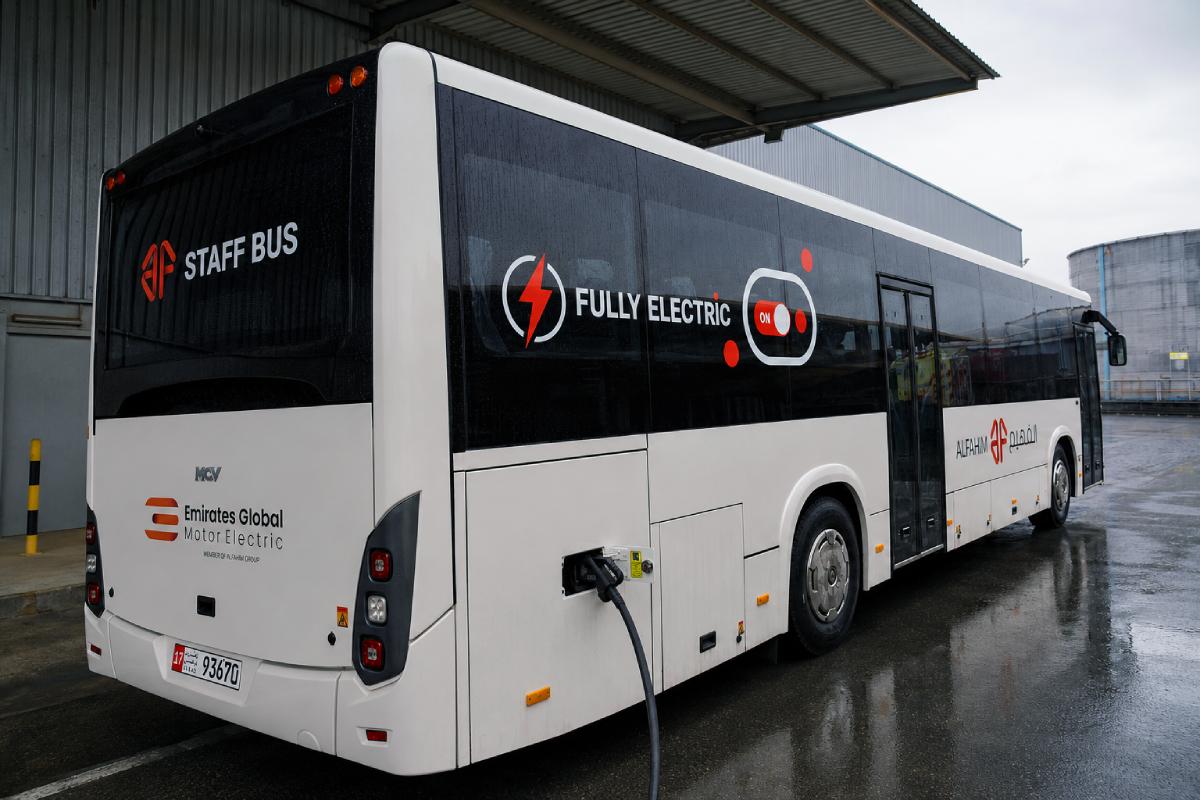
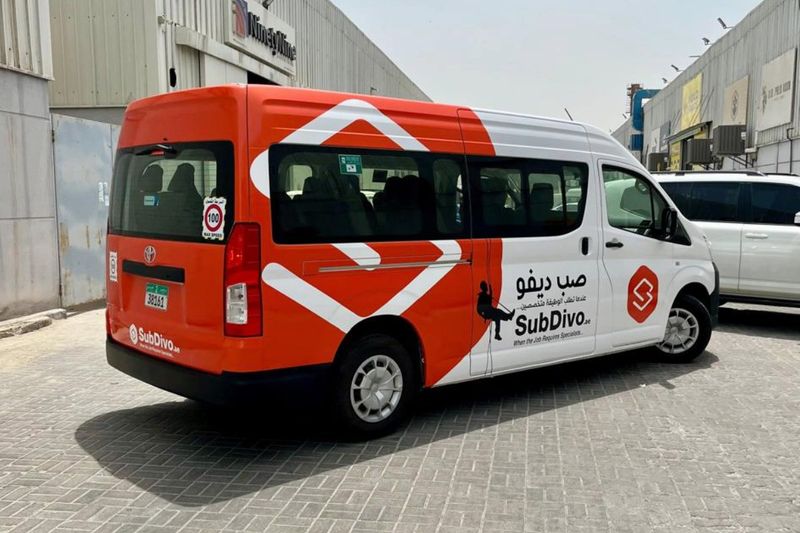
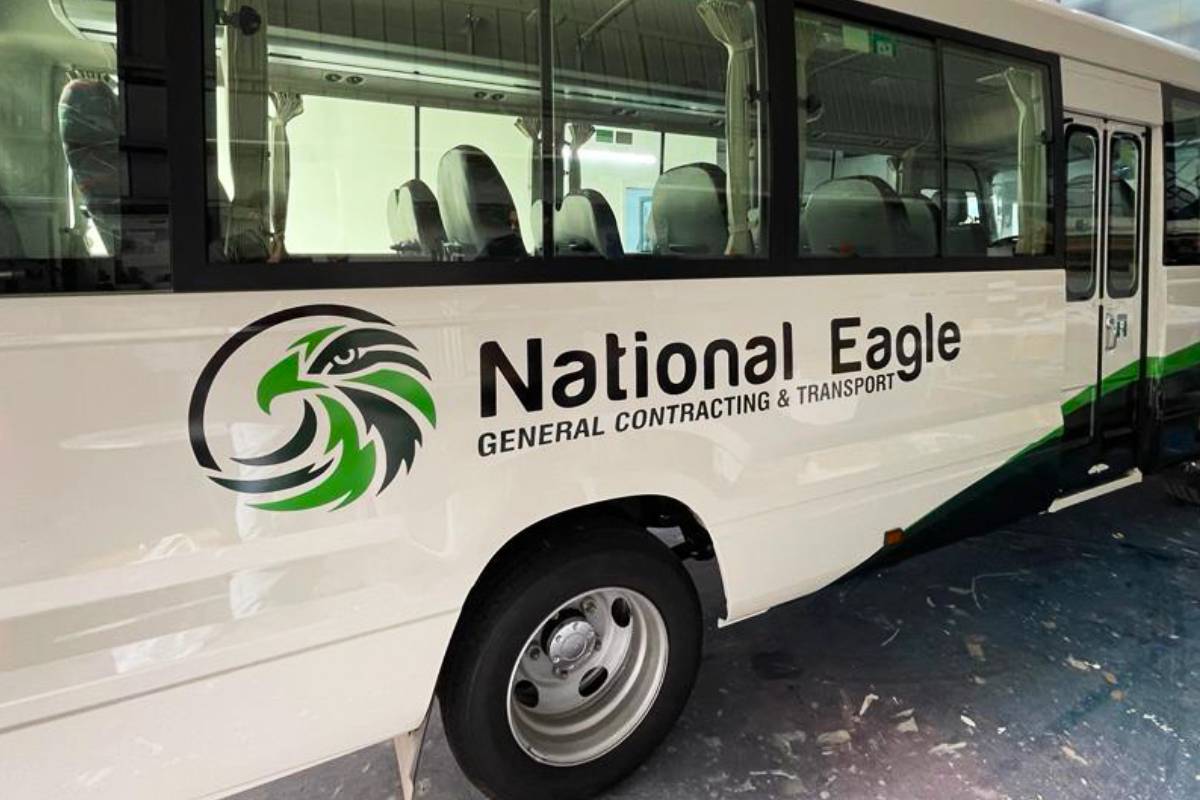
Angled View of Bus Full Branding in Abu Dhabi

Vehicle Branding Built Around Commercial Use in Abu Dhabi

Commercial vehicle branding is not one format or one level of coverage. Different vehicles need different treatments depending on how they are used, where they operate, and how much visibility each unit must deliver.

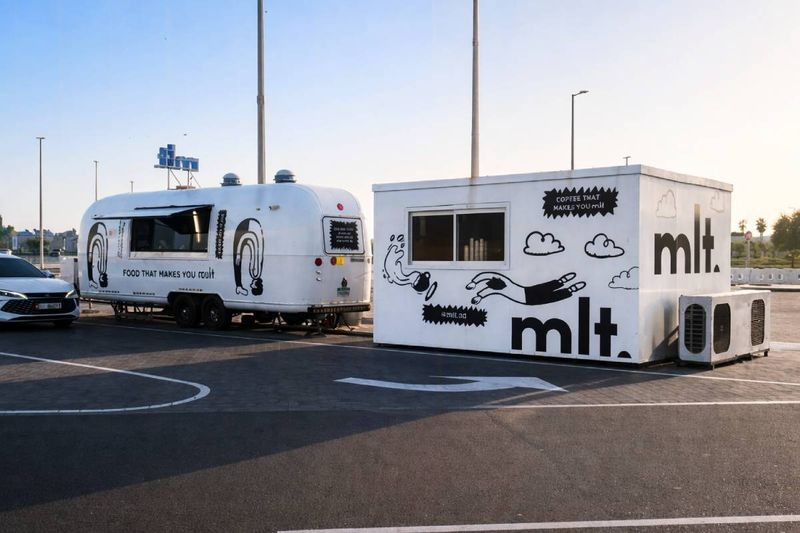
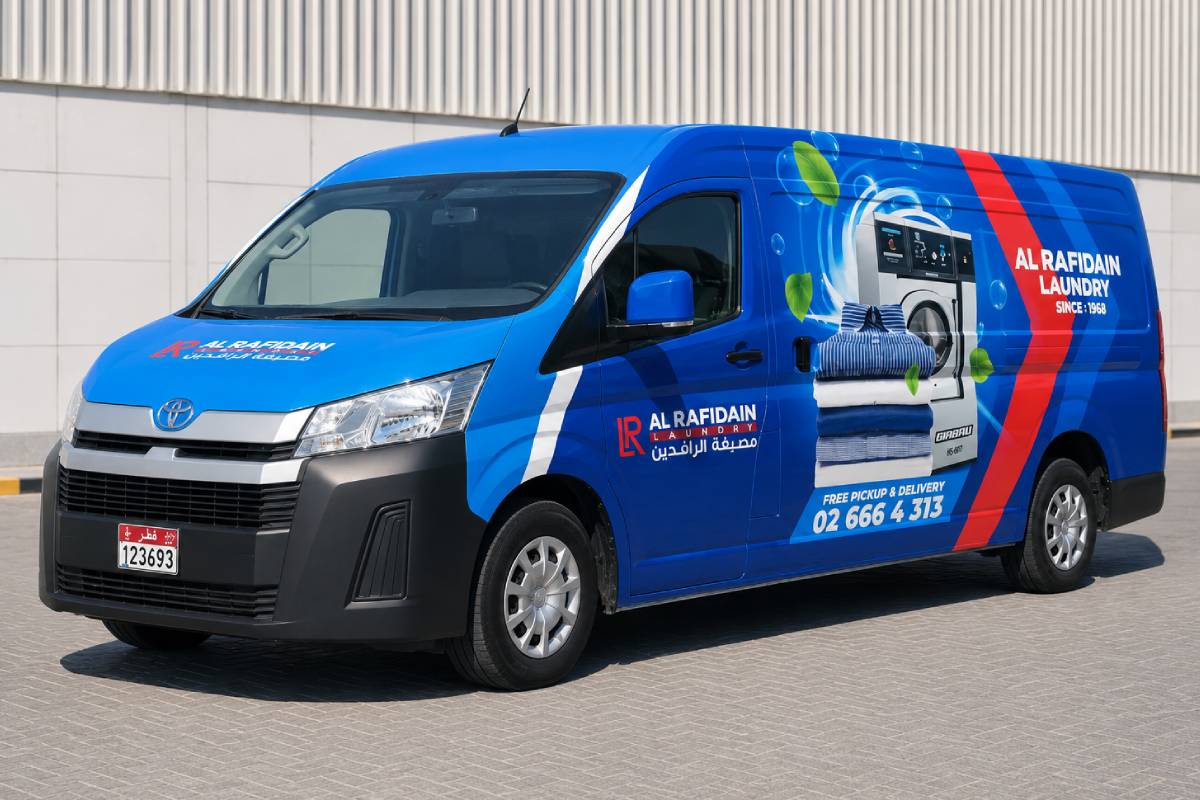
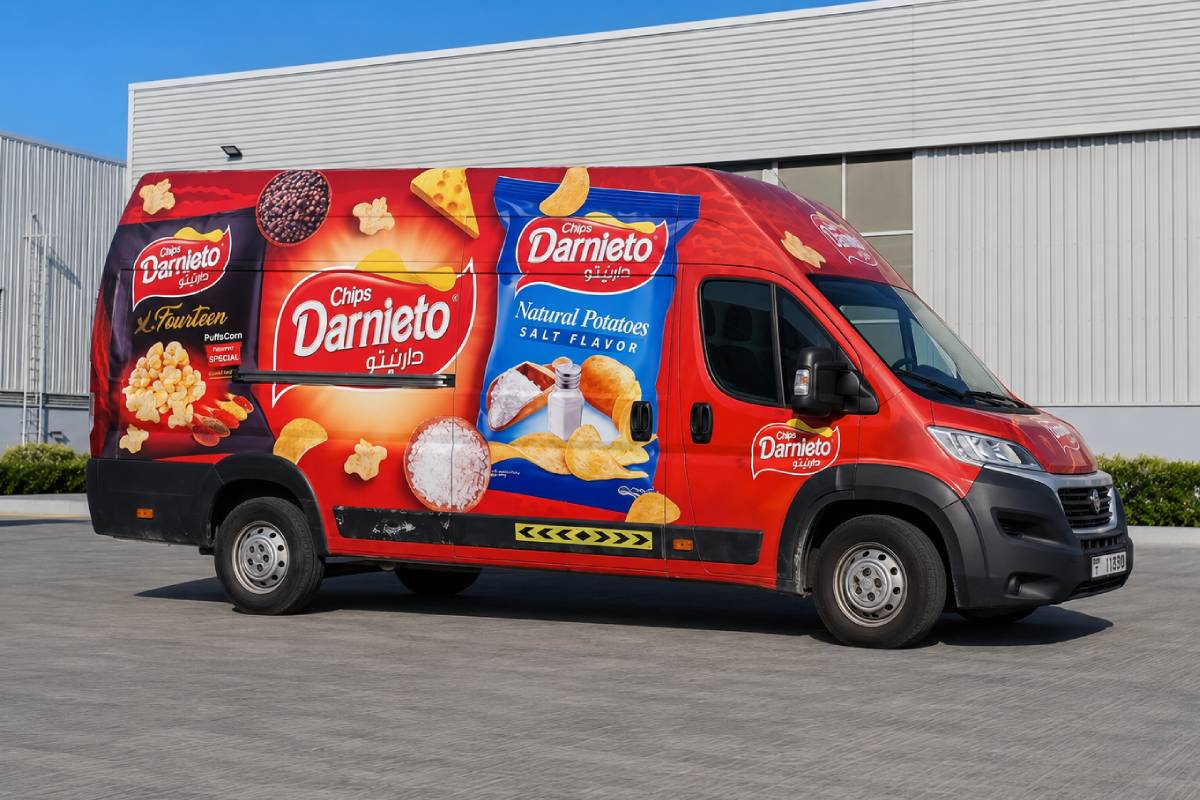
Our services cover delivery cargo vans, pickups, service vehicles, rigid trucks, and food trucks— across full wraps, partial wraps, cut vinyl lettering, and spot graphics, each matched to the vehicle type, route pattern, and brand objectives.

The specification behind the graphics matters as much as the design. Cast vinyl holds dimensional stability under UAE heat and conforms to curves, recesses, and body edges in a way calendered film cannot. Across a fleet, mixed film grades produce uneven colour, finish, and service life — weakening brand consistency and bringing replacement costs forward sooner than they should. Specifying correctly from the start means every vehicle holds the same finish quality through its operating cycle, keeping the brand consistent and the replacement schedule where it belongs.

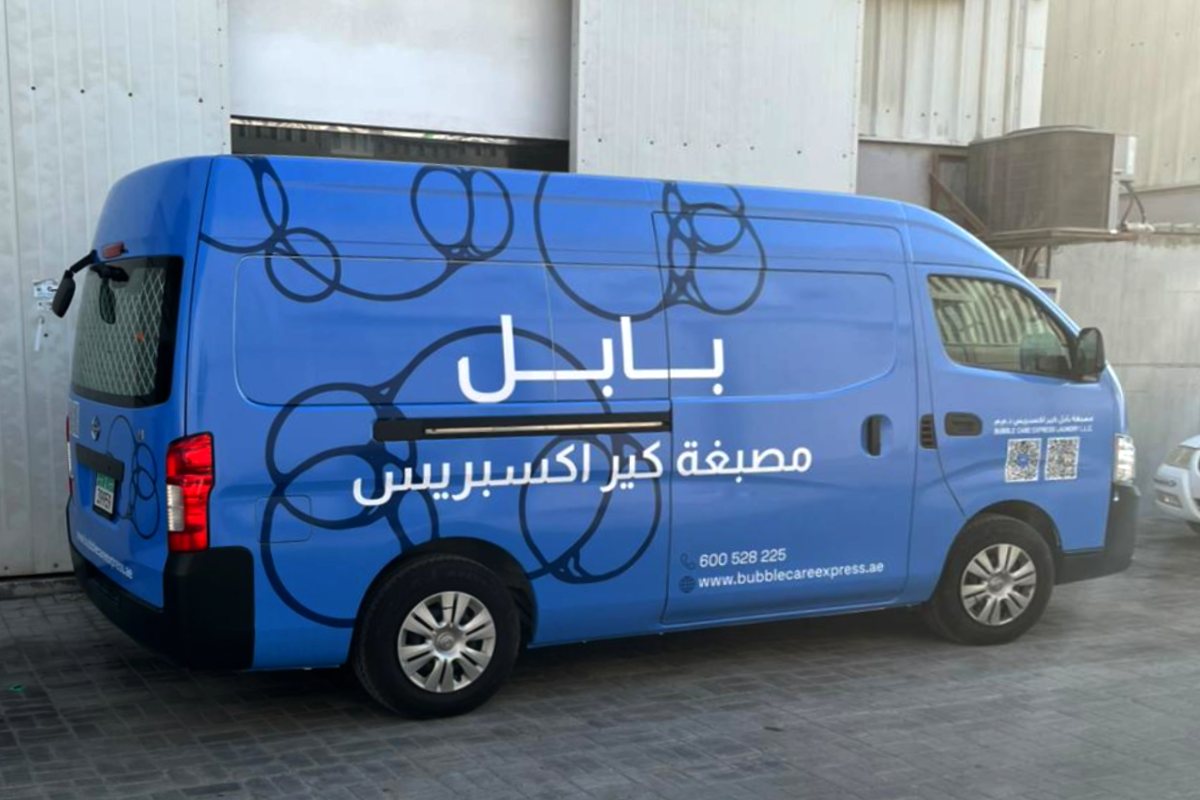
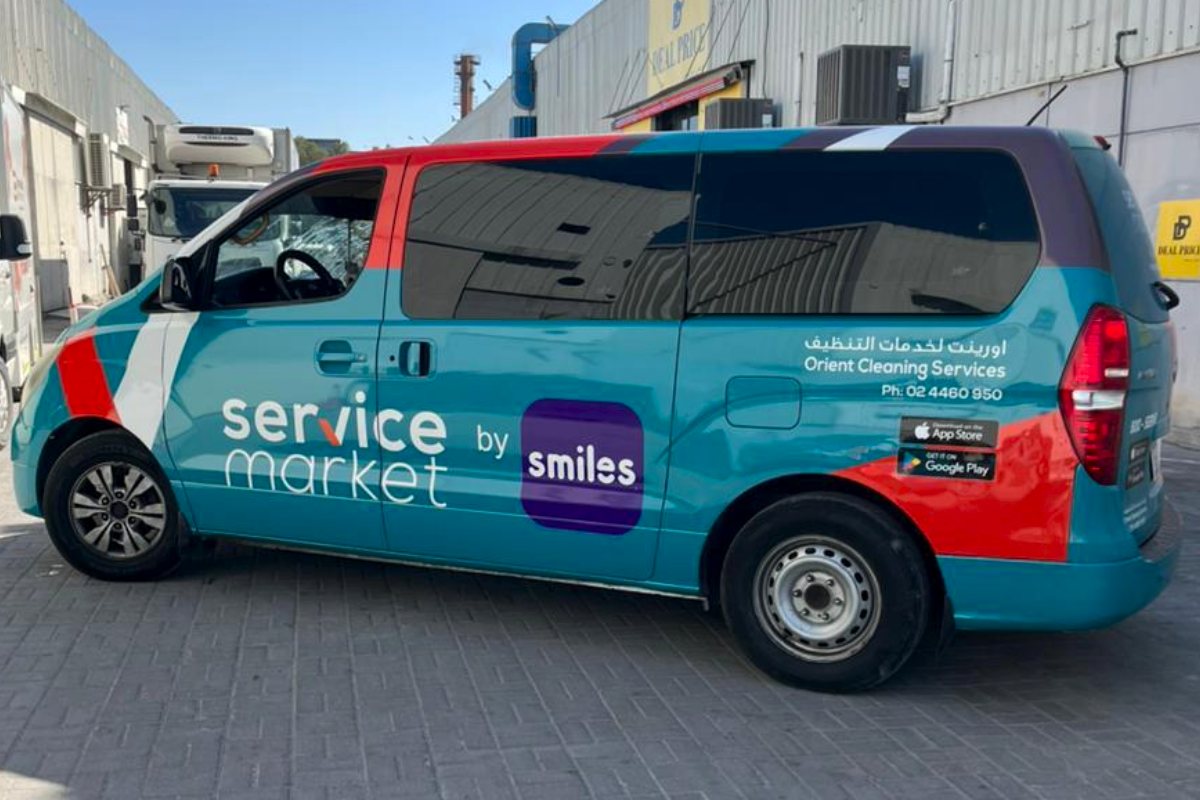
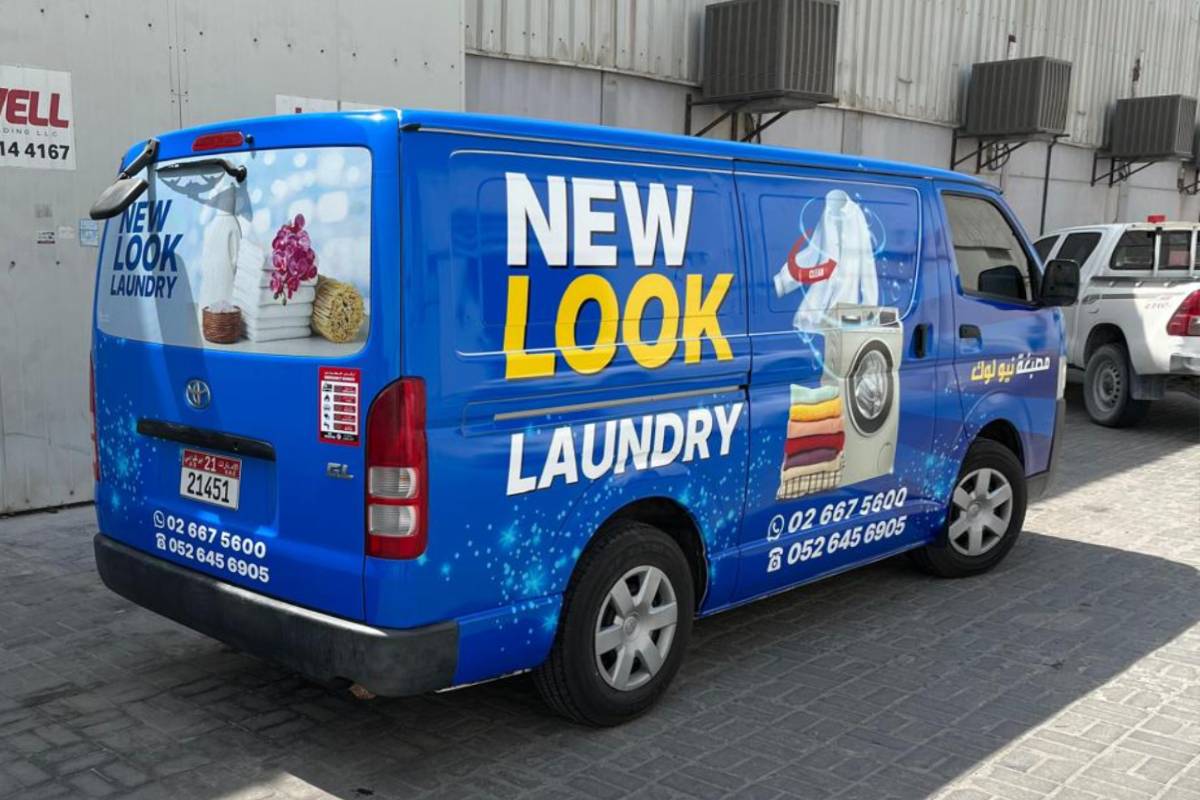
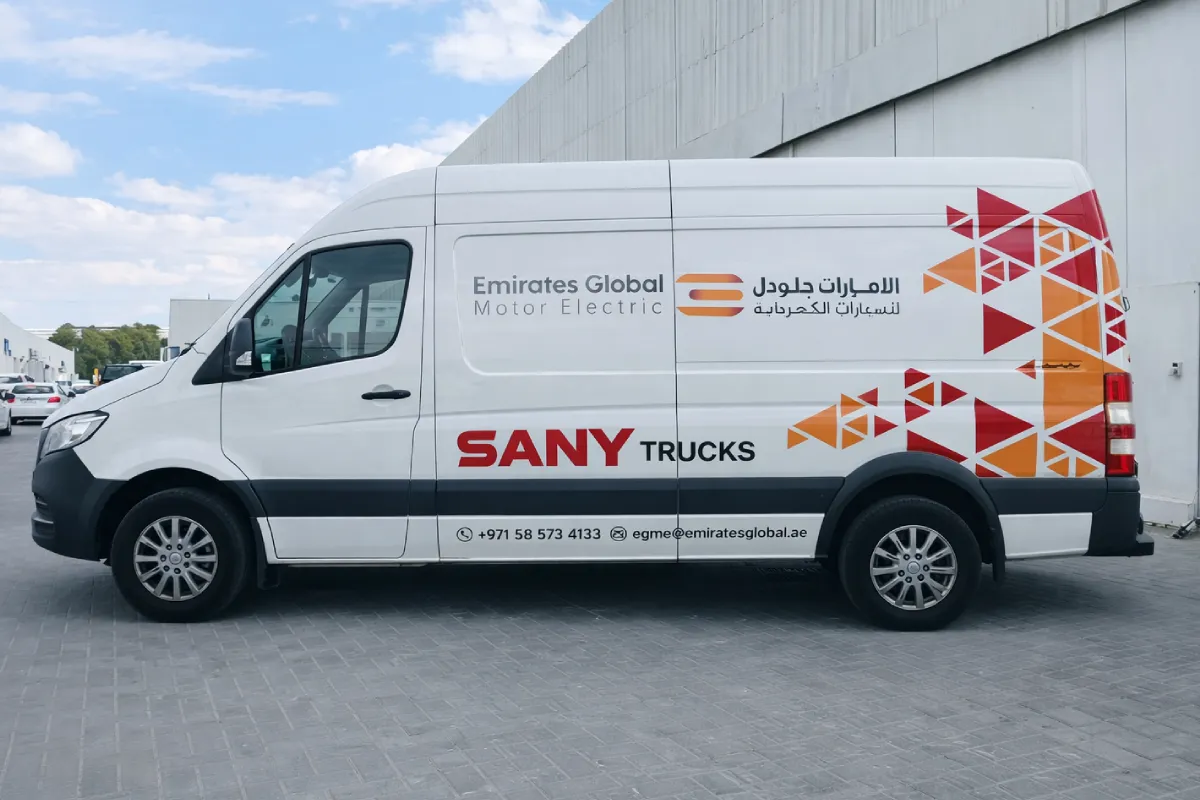
vehicle branding company in Abu Dhabi (2) (1)Side View of Full branded Vehicle by Ninety Nine Advertising full vehicle branding Abu Dhabi Ninety Nine Advertisingfull-vehicle-branding-nissan-urvan-high-roof-van-bubble-care-express-abu-dhabifull vehicle branding for Service market in Abu Dhabi

Vehicle Branding by Purpose

Full Vehicle Wraps

Full wraps cover the main exterior panels of cars, vans, trucks, and food trucks for maximum visual coverage across delivery fleets, service vans, promotional vehicles, and mobile business units. In UAE conditions, full wraps must be specified in cast vinyl — calendered film lifts at panel edges and curves under sustained heat.

Partial Vehicle Wraps

Partial wraps focus on the highest-visibility areas of the vehicle body — side panels, rear doors, and bonnets — giving professional branded presence with controlled cost and coverage. Where the design crosses curves, recesses, or stressed body lines, the cast-versus-calendered specification decision still applies.

Reflective Livery and Safety Markings

Reflective graphics serve fleets at night, in industrial zones, or road-facing environments. Engineering Grade suits basic identification, High Intensity delivers stronger visibility, and Diamond Grade meets maximum conspicuity. In Abu Dhabi, certain vehicle categories must carry retroreflective markings — making this application both a branding and compliance decision.

Fleet Lettering, Vehicle Decals & Spot Graphics

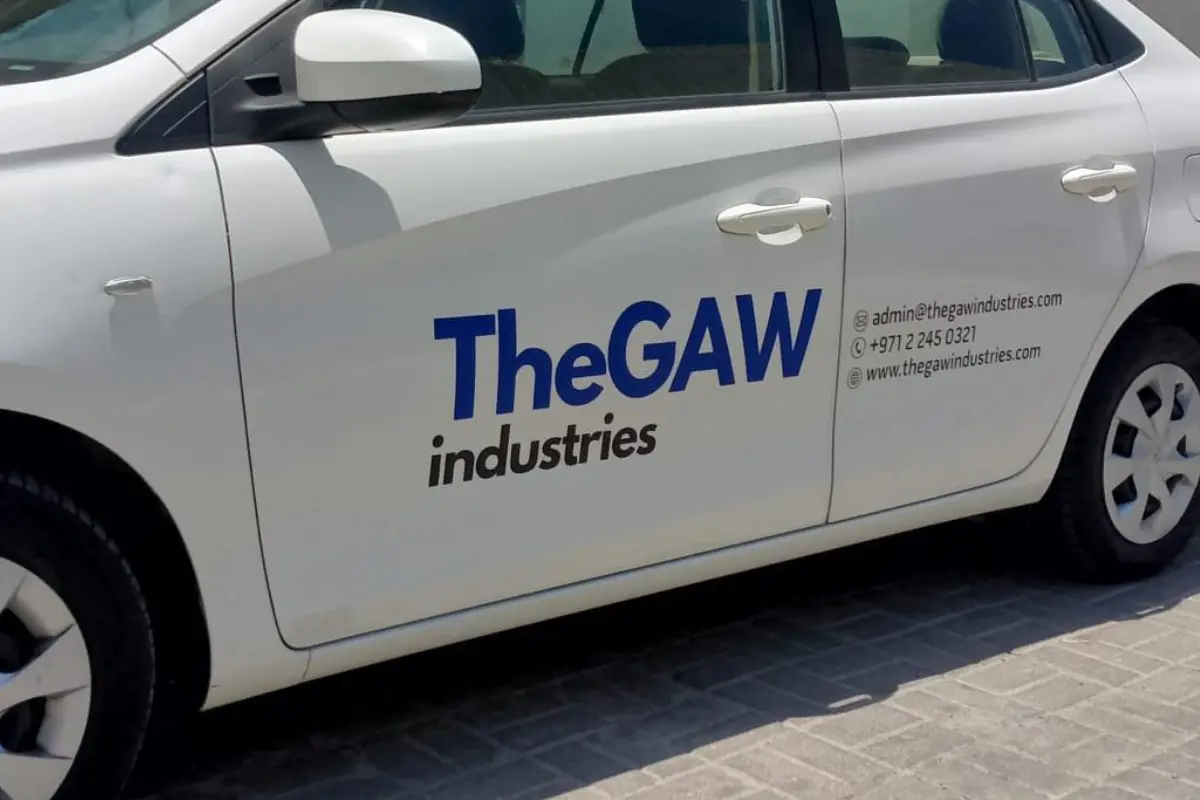
Fleet lettering and decals carry company names, logos, contact numbers, unit identification, and permit display across vans, trucks, pickups, and support vehicles. This format is clean, quick to standardise, and easy to scale. Permit number display is required on branded commercial vehicles under the DED Unified Economic Permit framework.

Vehicle Wraps, Fleet Graphics, and Vehicle Branding Services in Abu Dhabi

Vehicle branding only works commercially when design, compliance, production, and installation are planned as one process rather than handled in isolation. From vehicle review to final handover, we schedule the work around your operating hours, adapt artwork to each vehicle model, and keep branding consistent across cars, vans, trucks, bikes, and multi-vehicle fleets.

Vehicle Full Branding

Vehicle Full Branding

Turn company vehicles into high-impact moving advertisements with complete branded coverage across major exterior panels.
Explore Full Wraps
Vehicle Partial Branding

Vehicle Partial Branding

Choose cost effective branding with strategic panel coverage for strong branding visibility without committing to a full wrap.
Explore Partial Wraps
Fleet Vinyl Lettering & Spot Decals

Fleet Vinyl Lettering & Spot Decals

Keep fleet branding clean and efficient with logos, contact details, and spot graphics on key vehicle panels.
Explore Fleet Decals
Reflective Vehicle Graphics

Reflective Vehicle Graphics

Improve visibility for road-facing fleets with reflective decals and safety graphics suited for night operations.
Explore Reflective Graphics
Food Truck Branding & Signage

Food Truck Branding & Signage

Build a stronger street presence with food truck wraps, menu graphics, service-window branding, and supporting exterior visuals.
Explore Food Truck Branding
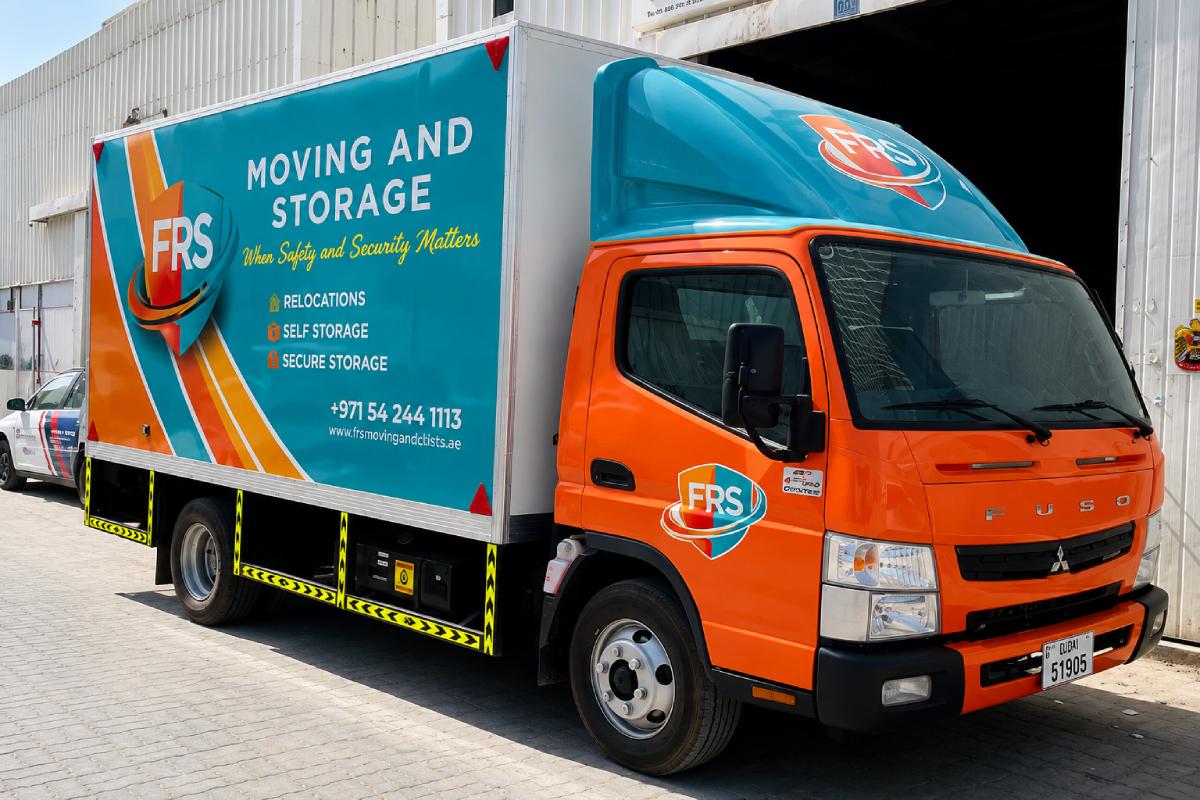
Truck Branding & Box Graphics

Truck Branding & Box Graphics

Use large truck and box van panels for stronger commercial branding, route visibility, and fleet identification.
Explore Truck Branding

Commercial Vehicle Branding Process in Abu Dhabi

Commercial vehicle branding works properly only when design, permit planning, production, and installation are handled as one controlled process — from a single service van to a multi-vehicle fleet, the work has to suit the vehicle, the operating environment, and the approval requirements from the start.

Step 1

Vehicle Review and Branding Scope

The process starts with the vehicle itself: body shape, panel condition, operating use, and the level of branding required. This sets the scope — whether the job calls for a full wrap, partial wrap, spot graphics, reflective markings, or standardised fleet lettering across multiple units.

Step 2

Design Development and Permit Readiness

Artwork is prepared around visibility, brand clarity, and safe use of the vehicle body. The layout is checked against DED permit requirements at this stage — bilingual content, exact graphic placement, and the rendered vehicle mockups needed for TAMM submission under the Unified Economic Permit framework.

Step 3

Film Selection and Print Production

Once the layout is approved, the correct film and laminate system are selected for the vehicle surface, route pattern, and wash frequency. A van running daily through Musaffah or Airport Road needs a different durability specification from a lightly used support vehicle, and production is matched accordingly.

Step 4

Installation and Technical Finishing

Installation begins with full panel IPA degreasing to remove wax, grease, and surface contamination before any film is applied. The installer then works through the correct application sequence — controlled squeegee pressure, post-heating on contoured and stressed areas, and clean edge termination so the film holds under UAE heat, washing, and dust.

Step 5

Handover and Fleet Continuity

The vehicle is inspected, handed over with care guidance, and aligned with any outstanding documentation. We advise on the Mulkiya update required for branded vehicles — covered in the permits section of this page — and for fleet operators, this stage sets the branding standard for all future additions and replacements.

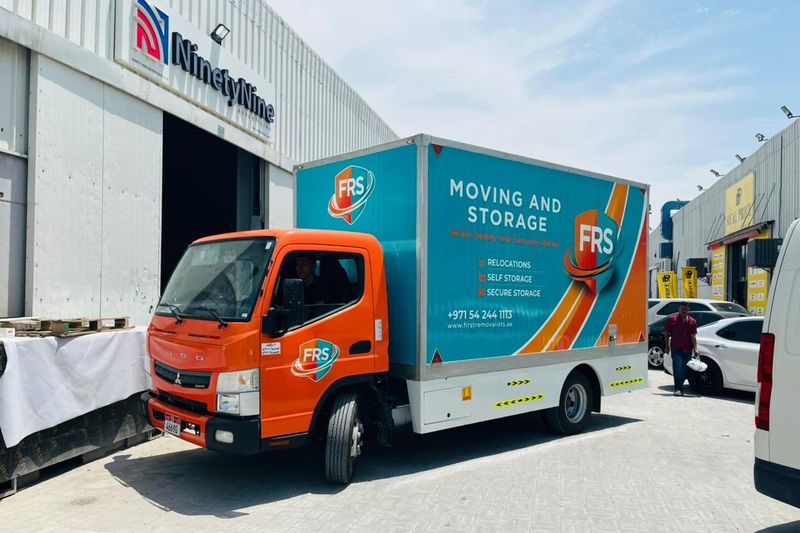
front view of truck branding by Ninety Nine Abu dhabiFull vehicle branding in Abu DhabiSide View of Full branded Vehicle by Ninety Nine Advertising

Vehicle Branding Materials Built for Abu Dhabi Conditions

Material choice carries more weight in Abu Dhabi than in milder markets. High heat, sustained UV exposure, dust, sand abrasion, and frequent washing put constant stress on graphics, adhesives, edges, and laminates — so commercial vehicle branding needs to be specified for long-term exterior use rather than built on lower-grade film systems.

For most applications that means cast vinyl with a protective overlaminate. It holds dimensional stability under UAE heat, conforms to curves, recesses, door edges, and body contours without lifting, and resists the shrinkage, edge lifting, fading, and cracking that calendered film develops over time. For printed full and partial wraps we specify 3M IJ series, Avery Dennison MPI 1105, Oracal 951 and 970RA, and Mactac JT cast — matched to vehicle type, route exposure, and wash frequency. For cut lettering, unit identification, and permit display, Avery Dennison SC 950 and Oracal 751 deliver the same durability in pre-coloured cut format.

The system also has to match the vehicle surface and application. On corrugated panels and complex sections, the air-egress variants — 3M Comply, Avery Dennison Easy Apply RS, Oracal RapidAir — prevent bubbling without requiring a change of film. Reflective applications require an overlaminate grade that preserves retroreflectivity. Non-OEM and previously repainted surfaces require adhesion testing and edge sealing before application. These are specification decisions made before production starts, not adjustments made during installation.

Good commercial vehicle branding is not judged by how it looks when it leaves the workshop. It is judged by how well the graphics keep holding their colour, adhesion, and finish once the vehicle is back on the road in real Abu Dhabi conditions.

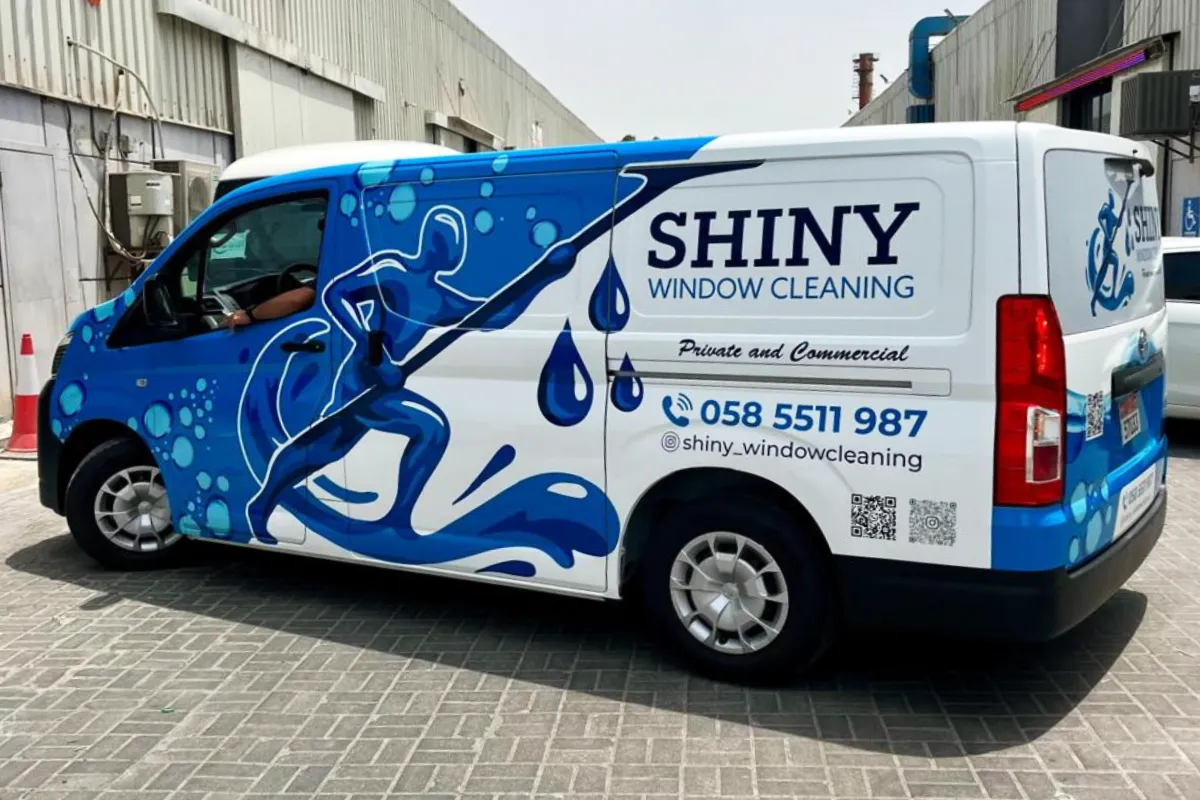
full-vehicle-branding-nissan-urvan-high-roof-van-bubble-care-express-abu-dhabipartial vehicle branding for shiny Window Cleaning At Sadddyat island Abu DhabiAngled View of Bus Full Branding in Abu Dhabi

Vehicle Branding Permits and Compliance in Abu Dhabi

Commercial vehicle branding in Abu Dhabi must be planned around the permit file from the start — compliance requirements affect the artwork before it reaches production, so the branding and permit process have to run as one workflow.

Each branded vehicle requires its own Unified Economic Permit, issued by the Department of Economic Development and submitted through TAMM, tied to a specific chassis number with its own permit reference and validity period. Legitimate permits carry an ADRA QR verification code — the mechanism that confirms the document is genuine. Once installed, we advise clients to update the Mulkiya to reflect the branded condition, as the permit alone does not fully close the registration record.

At artwork stage, the trade name must match the business identity on record, bilingual content is required under the DED framework, and the design must respect panel restrictions covering driver visibility, glass areas, and number plates. Trademark-registered logos, third-party marks, and leased vehicles carry additional documentation requirements — covered on our dedicated permits page.

We manage permit preparation, artwork compliance review, and TAMM submission as part of every project. For permit questions before the project starts, the permits page covers documentation requirements, vehicle categories, and the steps from submission to installation.

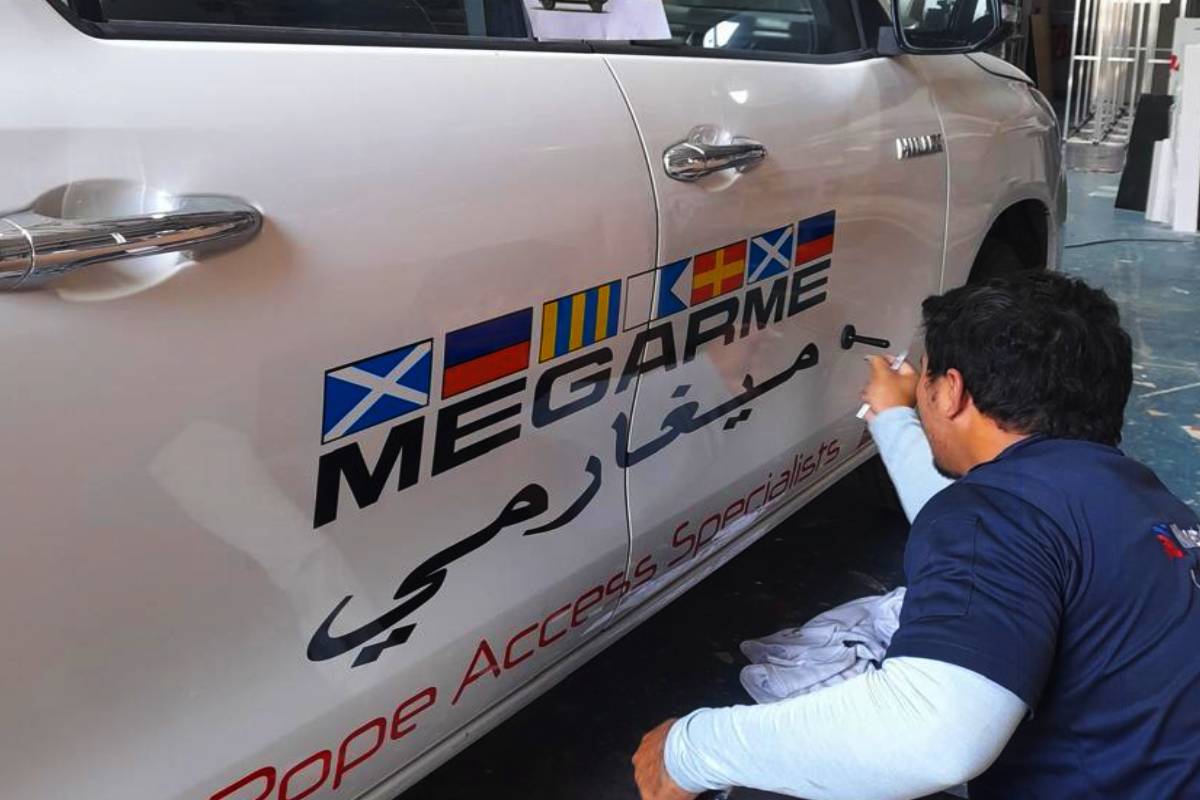
fleet vinyl cut lettering for National Eagle ABu Dhabi MSF

Commercial Vehicle Branding Projects in Abu Dhabi

Explore recent commercial vehicle branding projects completed for Abu Dhabi businesses — including branded vans, trucks, fleet vehicles, and commercial-use graphics. These project examples show how different branding approaches are applied across vehicle types, coverage levels, and operating environments.

Frequently Asked Questions About Vehicle Branding in Abu Dhabi

Common queries about services, permit timelines, and installation in Abu Dhabi.

What is commercial vehicle branding?

Commercial vehicle branding is the application of vinyl graphics — full wraps, partial wraps, cut lettering, decals, or reflective markings — to business-use vehicles operating in commercial environments. For a delivery van covering Musaffah and Mohammed Bin Zayed City, a service pickup working Saadiyat and Yas Island, or a logistics truck on the Abu Dhabi–Dubai corridor, the vehicle surface becomes a consistent identification system — making the right business recognisable at distance before the driver steps out.

In Abu Dhabi's operating conditions, the material specification behind those graphics determines whether the branding stays functional. Peak summer temperatures reaching 48°C, UV Extreme classification, and coastal salt deposition in zones including Al Raha and Saadiyat put sustained stress on adhesives, film, and colour — which is why commercial vehicle branding here is specified in cast vinyl with a protective overlaminate, not the calendered film used in milder markets.

What types of vehicles can be branded?

Full wraps, partial wraps, cut lettering, and reflective markings can be applied across delivery cargo vans, high-roof panel vans, pickups, service vehicles, support cars, box trucks, rigid trucks, food trucks, and buses. The correct specification depends on body geometry, surface condition, and operating environment — not vehicle type alone.

Flat-panel vehicles — box trucks and rigid body trucks — accept standard cast vinyl without application complexity. High-roof vans, pickups with wheel arch recesses, and vehicles with complex body curves require a conformable cast film; Avery Dennison MPI 1105 and the 3M IJ series are the grades we specify for these applications because they conform to body edges and recesses without lifting under UAE heat. For corrugated panels and deep contours, air-egress variants — 3M Comply, Avery Dennison Easy Apply RS, Oracal RapidAir — eliminate post-application bubbling on surfaces that standard film cannot fully seat against.

Non-OEM paint, previously repainted surfaces, and high-mileage vehicles with surface contamination require adhesion testing and edge sealing before film is applied. We assess the vehicle surface at the start of every project so the specification matches what the vehicle actually presents, not a generic assumption about its type.

How long does vehicle branding last in Abu Dhabi conditions?

Cast vinyl specified and installed correctly in Abu Dhabi conditions typically delivers five to seven years of service life on exterior vehicle surfaces. That range assumes a protective overlaminate is part of the system — the overlaminate carries UV resistance and scratch protection, and its omission reduces realistic service life significantly in a high-UV, high-temperature market.

The variables that compress service life are predictable: vehicles running daily on highways at speed face higher UV load and wind stress; frequent high-pressure washing, coastal salt exposure in Al Raha, Saadiyat, and Yas Island zones, and non-OEM or previously repainted surfaces that reduce adhesion all shorten the cycle. A fleet van operating daily out of Musaffah with regular washing and motorway kilometres will reach its replacement point before a lightly used support vehicle stored under cover — the specification needs to match the vehicle's actual operating pattern, not an average.

Calendered film is rated for three years or less under UAE exterior conditions and typically fails earlier through edge lifting, shrinkage, and colour shift. We do not specify it for any exterior vehicle branding application.

Is a partial wrap a better investment than a full wrap for most fleets?

For the majority of service and delivery fleets, yes. A well-executed partial wrap — covering side panels, rear doors, and bonnet — delivers strong brand visibility at 55 to 65 percent of the cost of a full wrap on a comparable vehicle. Across a fleet of ten service vans, that difference funds additional branded units, accelerates a phased rollout, or reduces per-vehicle cost on leased fleets where removal charges at contract end are a real operating consideration.

Full wraps make stronger commercial sense where panel coverage is the brief — consumer-facing campaign vehicles, food trucks, promotional units, and fleets where the vehicle surface itself is the primary advertising medium. Where the goal is identification and brand consistency rather than maximum visual impact, partial coverage delivers the result at a lower total cost across the fleet cycle.

The specification logic is the same at either coverage level. Where a partial wrap crosses curves, door edges, and body recesses — which it will on most commercial van profiles — cast vinyl is required. Calendered film will lift at those points under Abu Dhabi heat regardless of how much of the vehicle is covered.

Is full wrapping always the best option?

Not always, and the decision is rarely about budget alone. Full wraps work well where the vehicle surface carries a design brief — a food truck at a public venue, a campaign vehicle for a consumer launch, or a fleet unit where brand recognition at distance is the primary operating objective. For utility fleets, service vehicles, and support vehicles where the goal is identification rather than advertising coverage, partial wraps or lettering deliver a professionally branded result without the application complexity a full wrap requires.

The more operationally relevant question is what the vehicle body actually permits. A full wrap that crosses corrugated panels, deep recesses, and high-radius wheel arches requires cast vinyl with an air-egress channel and post-heat forming at every contoured section. A partial wrap designed around flat and semi-flat panels avoids those application variables entirely — producing a cleaner long-term result on those vehicle profiles with fewer points of potential edge failure.

The right answer is determined by vehicle geometry, route visibility requirements, and brand objectives — not by a default assumption that more coverage always means better value.

Can leased vehicles be wrapped and what happens at return?

Yes, and leased vehicles are among the most common vehicle branding projects we handle in Abu Dhabi. The requirement is that the wrap must be removable without damaging the original paint surface — which is a specification and installation decision made at the start, not a removal decision made at lease end. Cast vinyl applied correctly to a clean, properly prepared surface can be removed cleanly without paint damage. Film applied over contaminated, non-OEM, or previously damaged surfaces is significantly harder to remove without consequence, which is why surface condition assessment before application matters as much for leased vehicles as for owned fleet assets.

Before wrapping a leased vehicle, confirm with the leasing company that graphics are permitted under the agreement and document the vehicle's pre-wrap surface condition. Where the lease requires factory finish at return, schedule the wrap removal in advance — not on handover day. We advise on this at the start of every leased vehicle project and can plan the removal as part of the original brief, so there are no surprises at the end of the contract.

On the regulatory side: a leased vehicle still requires its own DED Unified Economic Permit, and the application must reflect the registered vehicle owner and chassis number. The lease arrangement does not change the permit requirement or the Mulkiya update process.

How does the permit process work and how long does it take?

Every branded commercial vehicle in Abu Dhabi requires its own Unified Economic Permit, issued by the Department of Economic Development and submitted through the TAMM portal. Each permit is tied to a specific chassis number with its own validity period — it does not transfer between vehicles and must be renewed annually. Legitimate approved permits carry an ADRA QR verification code, which is the mechanism that confirms the document is genuine and can be checked on site.

The permit application requires rendered vehicle artwork showing the approved design on the actual vehicle model, bilingual content in Arabic and English, and correct graphic placement that respects driver visibility zones, glass areas, and number plates. The trade name on the artwork must match the DED business record exactly — any discrepancy between the displayed name and the registered license name causes the application to fail at review.

In terms of timing, permit preparation — including artwork compliance review and TAMM submission — typically takes three to five working days when the trade license, vehicle chassis number, and artwork are confirmed at the outset. The main variable is how quickly the client can resolve any third-party trademark authorisation if the design carries a brand not registered to the applicant. We manage the full permit workflow as part of every project so the compliance and production processes run in parallel rather than one waiting on the other.

Does the company name on the vehicle need to match the trade license exactly?

Yes, and this is the most common cause of permit rejection in Abu Dhabi. The DED Unified Economic Permit framework requires a 100% match between the trade name displayed on the vehicle artwork and the legal business name on record — in both Arabic and English. A shortened trading name, an anglicised variation, or a name that omits the LLC or establishment suffix will cause the application to fail at the compliance review stage, even when the artwork is otherwise complete and correctly formatted.

We verify this alignment at the artwork stage before the design reaches production. If the business operates under a trading name that differs from the registered license name, that discrepancy is a documentation question that needs resolution before the permit application can proceed — better identified at the start of the project than after the vehicle has been wrapped and production costs have been committed.

What happens if branding is installed without a permit?

Installing vehicle graphics without a valid DED Unified Economic Permit means the vehicle is operating in breach of Abu Dhabi's advertising regulations. The practical consequences include enforcement action, removal requirements, and financial penalties — which means the branding cost is effectively paid twice: once for the original installation and again for the compliant replacement. Across a multi-vehicle fleet, that compounding cost becomes significant.

The more common situation is not deliberate non-compliance but an incomplete process — branding installed before permit approval is confirmed, or a vehicle added to a fleet without its own individual permit. Since each vehicle requires a permit tied to its specific chassis number, a permit issued for five vehicles does not extend to a sixth, even when the branding design is identical across the fleet.

We do not proceed to production or installation on any project until the permit file is in order. That sequencing is not administrative caution — it protects the client from enforcement costs and ensures every vehicle leaves the project fully compliant from its first day on the road.

What is the Muroor Mulkiya update and why does it matter?

After vehicle branding is installed and the DED advertising permit is issued, the vehicle owner must visit Muroor — Abu Dhabi Police Traffic Department — to update the vehicle registration card, the Mulkiya, to reflect that the vehicle now carries a 'Sticker.' Driving a branded vehicle without this updated Mulkiya is a finable offence under Abu Dhabi traffic regulations, even when the advertising permit itself is valid and displayed correctly. The permit and the registration update are two separate administrative requirements — one does not substitute for the other.

This is the step most frequently missed — by businesses and by branding providers who consider the job complete at installation. We advise every client on the Mulkiya update at handover and walk through what the Muroor visit requires, so the vehicle leaves the project compliant on both the advertising permit and the registration record.