.svg)
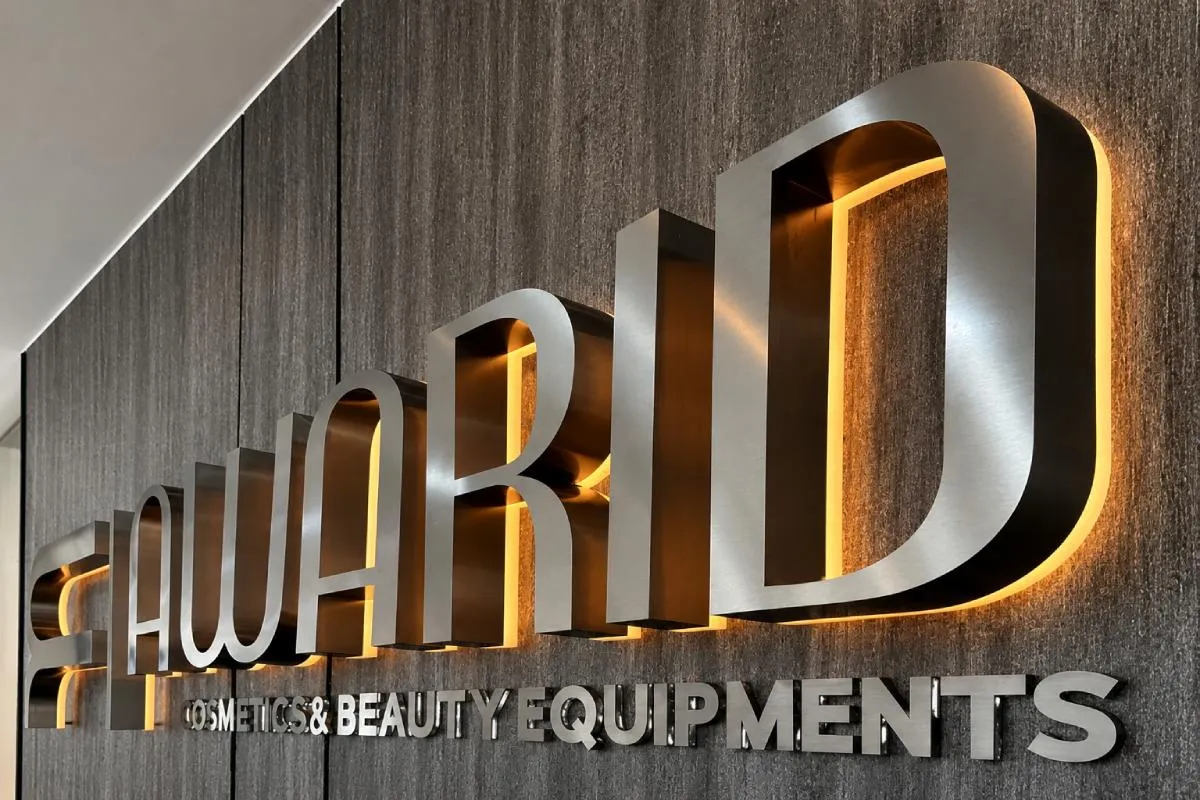
3D Reception Signage & Corporate Lobby Logo Signs
Make a powerful first impression with premium 3D reception letters, backlit corporate logos and luxury reception signs. We custom-fabricate and install high-impact stainless steel and powder-coated aluminum wall 3D signs for upscale corporate offices, showrooms and luxury clinics across Abu Dhabi.
Office Reception Signage Formats for Lobby Walls & Front Desks Areas
We fabricate custom 3D reception signs in our Musaffah workshop using acrylic and metal options selected for the approved interior design.
Use our 3D signage materials and lighting guide to compare stainless steel, aluminium, acrylic, mounting and illumination options.
Front-lit, halo-lit and non-illuminated letters can be specified according to the lobby wall, viewing distance and power access. Drawings, fixing details and material submissions are prepared as required for the fit-out review before installation.


Illumination Modes for Premium Reception Signage
Our custom internal LED wiring use safe, low-voltage modules to cast dramatic architectural depth and high-contrast brightness across your primary entrance feature walls. The signage itself can have any of the following illumination options:
- Backlit 3D Reception Logo Signs (Halo-Lit): Solid metal-faced letters pin-raised away from the wall so light glows softly from behind. This creates a luxury halo effect ideal for upscale Abu Dhabi businesses such as law firms, clinics and finance headquarters.
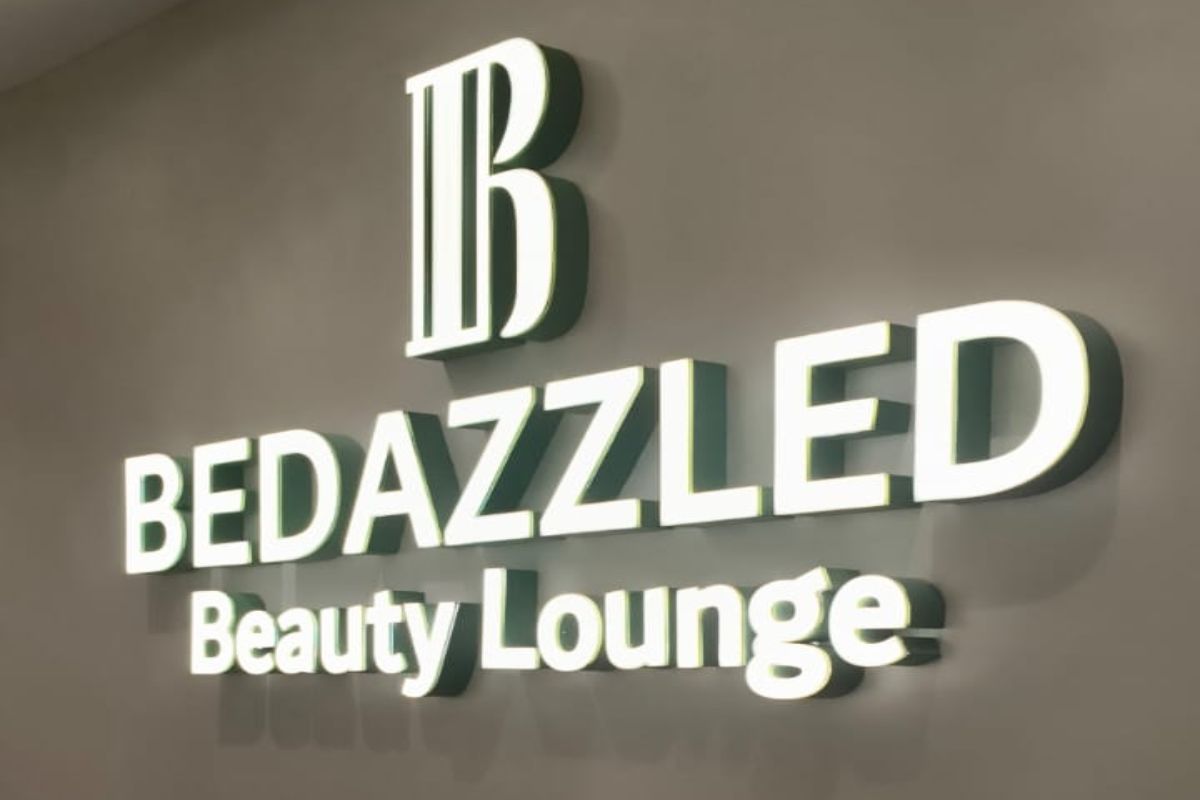
- Front-Lit Reception Logo Signs: Fabricated 3D letter bodies paired with premium acrylic faces that project vibrant, solid colors and evenly distributed light directly forward. The ultimate choice for maximum visibility inside brightly lit showrooms and behind cashier area in high traffic outlets.
- Non-Illuminated 3D Reception Signs: Precision-crafted 3D metallic letters mounted flush or slightly raised without built-in LEDs. A clean, sophisticated choice for corporate walls that already feature ample overhead directional spot downlighting. Choose Stianelss steel for luxurious traditional look or aluminum powdar coated letter to match the sign with your brand colors.
3D Reception Sign Materials & Finishes
Our Musaffah facility utilizes high-precision industrial fiber lasers to cut and shape heavy-gauge metal substrates to your exact corporate font specifications and emblem shapes.
- Stainless Steel 3D Reception Signs: Delivers a sharp, premium finish utilizing brushed steel, mirrored chrome, or luxury titanium-gold electroplated coatings. Built to convey absolute prestige and corporate success on executive boardroom walls.
- Powder-Coated Aluminum 3D Reception Signs: Heavy-duty structural metal lettering powder-coated in our workshop to follow an approved corporate colour reference. Ideal for casting deep dimensional shadows without adding excess weight to fragile gypsum wall partitions.
- Brass & Bronze Reception Logo Letters: High-end architectural metal plates finished with clear protective seals to deliver a rich, classic aesthetic that looks outstanding on natural wood paneling or marble wall cladding.

3D Reception Sign Fixing on Glass & Feature Walls
Fixing is selected for the sign weight, wall or glass condition and any future removal needs. Wall repairs may be needed after a sign is removed.
- Pin-raised letters: An alignment template helps position individual letters on suitable drywall, concrete or timber backing.
- Backer panels: An ACP or metal panel can organize lettering and wiring where the wall and project design support this method.
- Glass mounting: The glass type, load and visibility from both sides are checked before a fixing detail is approved.
Our Projects Gallery
Browse our gallery of completed branding projects across Abu Dhabi. Every photo shown is from a real project delivered by Ninety Nine Advertising LLC, showcasing premium, functional and high-visibility branding solutions in actual business environments.


3D Reception Signage Fabrication & Installation
Ninety Nine Advertising LLC designs, fabricates and installs 3D reception signs for offices and commercial spaces in Abu Dhabi.
We coordinate dimensions, materials, electrical access and mounting details with the interior or fit-out team. Building approval and installation timing are confirmed for each project.
Reception Artwork & Material Review
We review vector artwork, bilingual lettering, sign size and the wall or glass substrate before fabrication.
- Typographic layout: Arabic and English spacing, letter depth and fixing points are checked against the approved artwork.
- Wall condition: Drywall, concrete, stone and timber cladding call for different load and fixing details.
- Fit-out documents: Material data and samples can be prepared when requested by the building or project team; approval depends on that review.
Metal Letter Fabrication
We fabricate stainless steel and aluminum reception letters in our Musaffah workshop. The cutting, joining and finishing method is selected for the approved design and material.
Letter profiles, finish and colour are checked against the project artwork before handover.
Lighting & On-Site Installation
LED placement is planned around letter depth, the wall finish and the desired front-lit or halo-lit effect. The sign is aligned using an installation template and the appropriate fixing method for the substrate.
Power, access and the work window are coordinated with the client and building team where needed.
3D Reception Signs for Abu Dhabi Offices, Hotels & Showrooms
- Corporate Office Lobbies (Grade-A Business Towers): Make a commanding first impression that aligns with premium corporate standards in elite hubs like Al Maryah Island, Reem Island, and downtown Abu Dhabi. Our custom 3D reception signs act as the primary identity marker for high-end workspaces, precisely fabricated from brushed or polished marine-grade stainless steel for review against building management fit-out requirements.
- Luxury Hotel & Resort Receptions: Establish an upscale brand character at the very first guest touchpoint with high-end luxury reception signs. For beachfront properties or semi-open resort lobbies across Abu Dhabi, we specify Grade 316 stainless steel where coastal or semi-open exposure requires stronger corrosion resistance, engineering halo-lit and front-lit layouts that provide dramatic architectural depth with planned cable routing.
- Retail Showrooms & Premium Welcome Walls: Command maximum brand exposure inside managed retail environments and upscale shopping malls across the UAE. We smoothly navigate the complex interior signage manuals and landlord NOC processes for you, utilizing heavy-gauge powder-coated aluminum to achieve a finish referenced to the approved RAL colour on high-visibility back-wall positions.
Complete Your Workspace Fit-Out with Ninety Nine Advertising
- Glass Manifestation & Privacy: Secure meeting rooms and glass conference partitions with premium frosted glass stickers and office window films Abu Dhabi.
- Feature Walls & Corridor Graphics: Transform plain walls with custom vinyl wall wraps and full wall murals Abu Dhabi for edge-to-edge environment graphics.
- Corporate Typography: Apply background-free mission statements and floating quotes directly onto painted surfaces using custom wall vinyl lettering in Abu Dhabi.
- Wayfinding & Identification: Ensure seamless workplace navigation with premium office door signs and room name plates Abu Dhabi for meeting spaces and executive suites.
- Floating Panel Displays: Mount durable, premium brand panels or corporate directories using Standoff Wall Signs and architectural spacer fixings for main reception walls and corridors.
This Product is Not What You Want? Explore Our Other Branding Solutions

Custom Acrylic Signs
We fabricate, print and install custom acrylic sign boards and wall-mounted acrylic signs for offices, corporate interiors and showrooms across Abu Dhabi. From LED illuminated acrylic signs to flat-cut and 3D acrylic letters, every sign is cut, finished and installed by our Musaffah workshop.

Office Wall Wraps
Custom full wall stickers, printed wall murals and floor-to-ceiling vinyl wall wraps for offices, retail showrooms and fit-out projects in Abu Dhabi. We print, laminate, prepare panel layouts and install large-format wall graphics from our Musaffah facility, with material options for sharp branding, soft low-glare interiors, or durable high-traffic wallcovering.

Wall Lettering & Decals
Display your corporate brand values, company logos, and custom office wall quotes with crisp, borderless precision. Designed, plotter-cut, and installed by our in-house Musaffah workshop team, we deliver paint-safe, premium vinyl text and graphic decals for corporate workspaces, lobbies and commercial interiors across the UAE.
Area Identification Signs
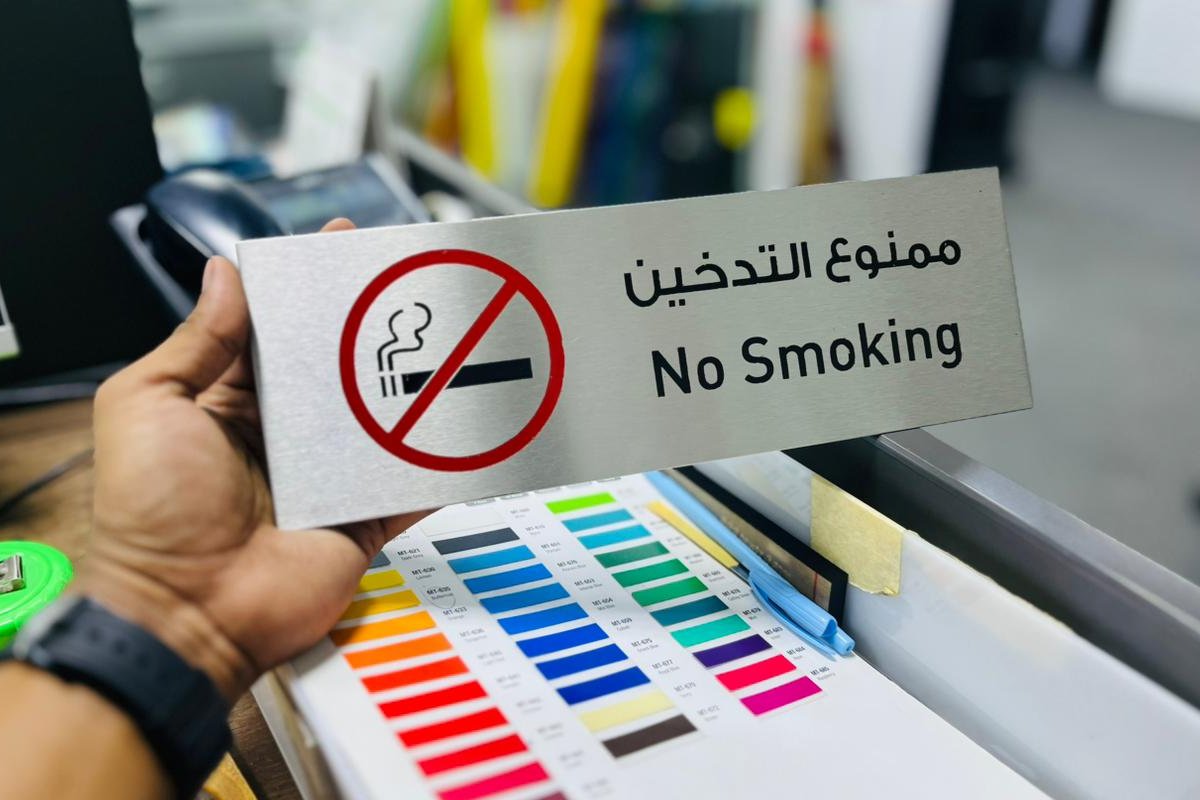
Custom fixed and changeable office door signs, room name plates and occupied-vacant sliders for workplaces across Abu Dhabi. Ninety Nine Advertising LLC prepares Arabic-English layouts, matches approved colours and finishes, manufactures each sign in our Musaffah facility and installs it on doors, walls or glass partitions using a fixing method suited to the surface and sign weight.
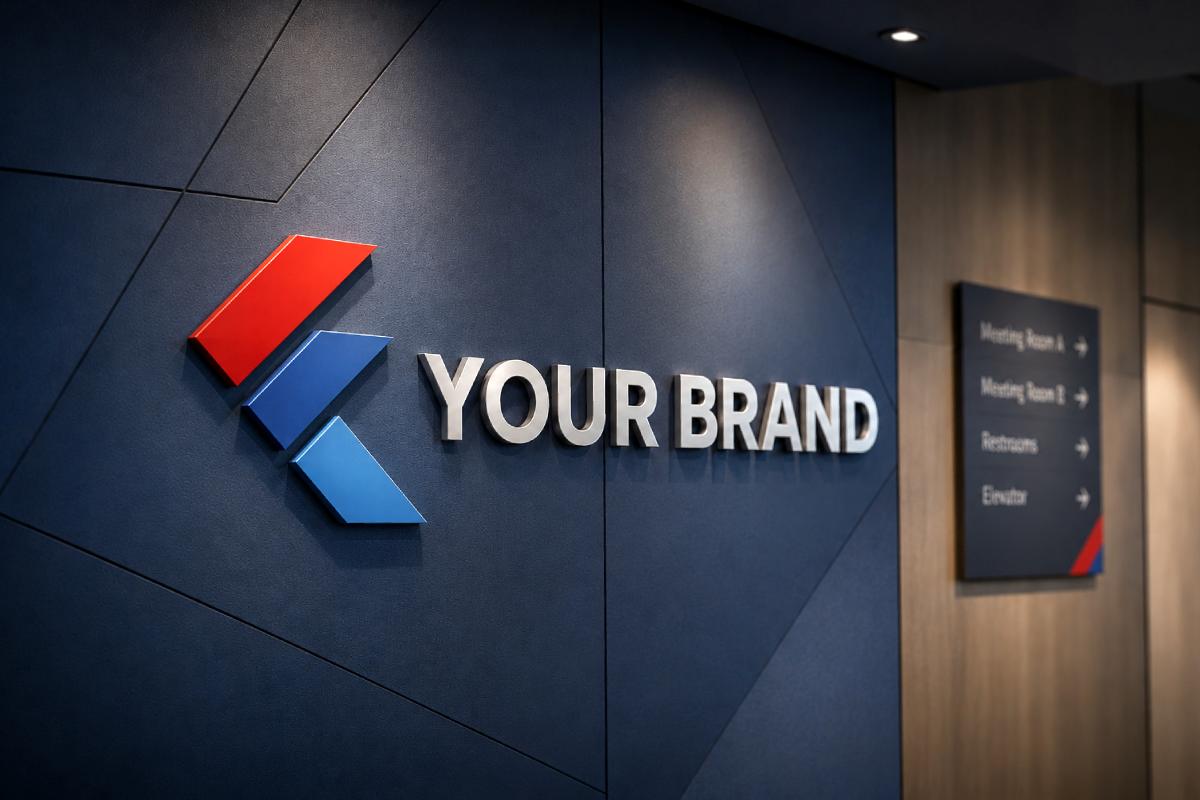
If acrylic signs are not the exact fit for your office, shop, or interior branding requirement, browse our comprehensive interior branding collections. We design and manufacture custom signage solutions for reception logo signs, office wall branding, acrylic door signs, wall displays, and interior signage systems across Abu Dhabi.
Frequently Asked Questions
What is the difference between reception signage and a reception sign board?
Reception signage is the professional category name for the branded sign installed in a reception area, lobby wall, front desk, or office entrance. Many UAE buyers also call the same product a reception sign board, especially when comparing acrylic, metal, 3D, or backlit logo options.
Do you make office reception signage for front desks and back walls?
Yes. Office reception signage can be installed behind the reception counter, directly on the front desk, on a glass partition, or across a lobby feature wall. The fixing method depends on the sign material, wall finish, logo size, visibility angle, and whether the sign is illuminated.
Can you fabricate reception logo signs with Arabic and English text?
Yes. Reception logo signs can include Arabic-English company names, corporate logos, slogans, taglines, and brand marks. Artwork is scaled before fabrication so letter spacing, bilingual alignment, stroke thickness, and mounting points stay accurate.
What materials are best for reception logo signage?
Common materials include acrylic, stainless steel, powder-coated aluminum, brass, bronze, clear acrylic panels, and backlit metal letters. The best option depends on the office interior, brand colors, wall finish, lighting level, and budget.