.svg)
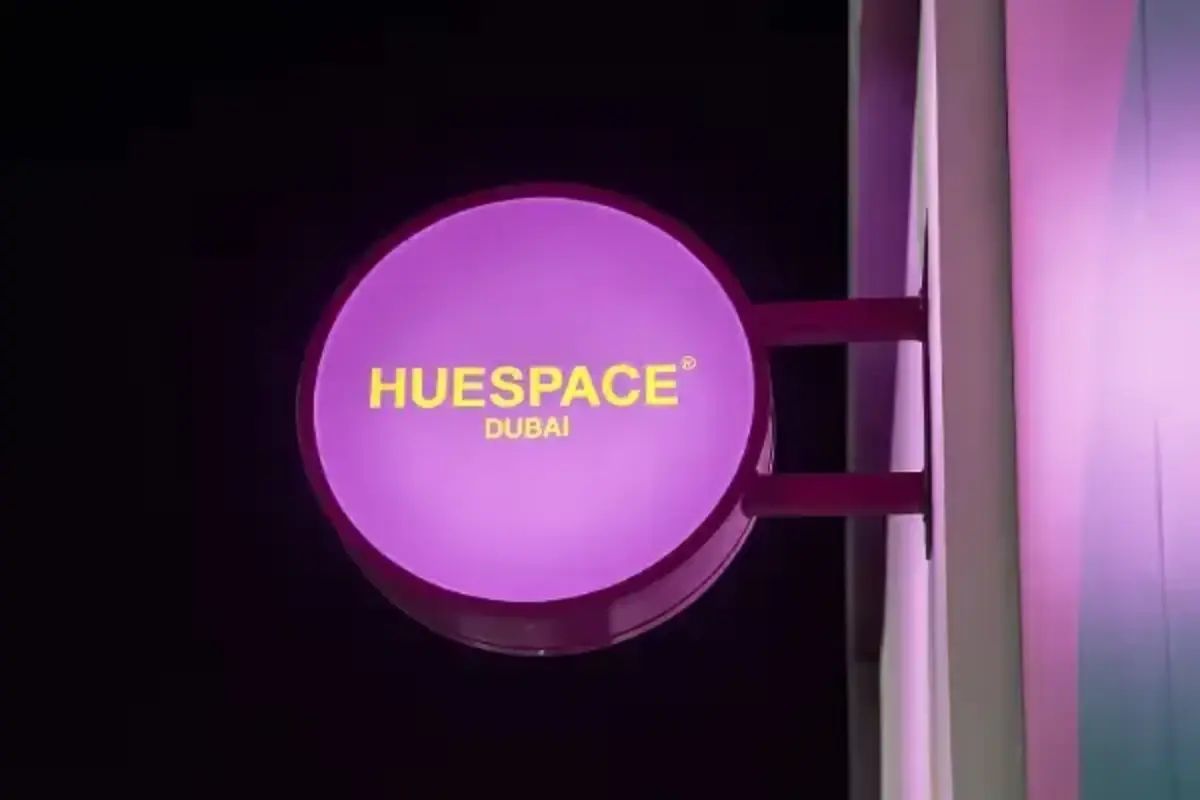
Blade Signs in Abu Dhabi
Capture dual-direction pedestrian foot traffic with custom double-sided blade signs, round projecting lightboxes, and hanging wall signboards. Positioned perpendicular to your building facade, our premium outdoor flag signs project directly into pedestrian sightlines to capture traffic from both directions. We design, manufacture, and install weather-resistant projecting signs tailored to Abu Dhabi’s retail guidelines and modern brand aesthetics.
Projecting Blade Sign Options in Abu Dhabi
Custom blade signs project outward from vertical walls to capture walk-by pedestrian attention along dense Abu Dhabi commercial avenues.
The right projecting sign board option depends on your street intersection positioning, preferred geometric silhouette, mounting bracket hardware, and the structural reinforcement required for high-wind coastal zones.
As premier blade sign manufacturers in Abu Dhabi, we offer premium illuminated and non-illuminated flag signs tailored to your venue.

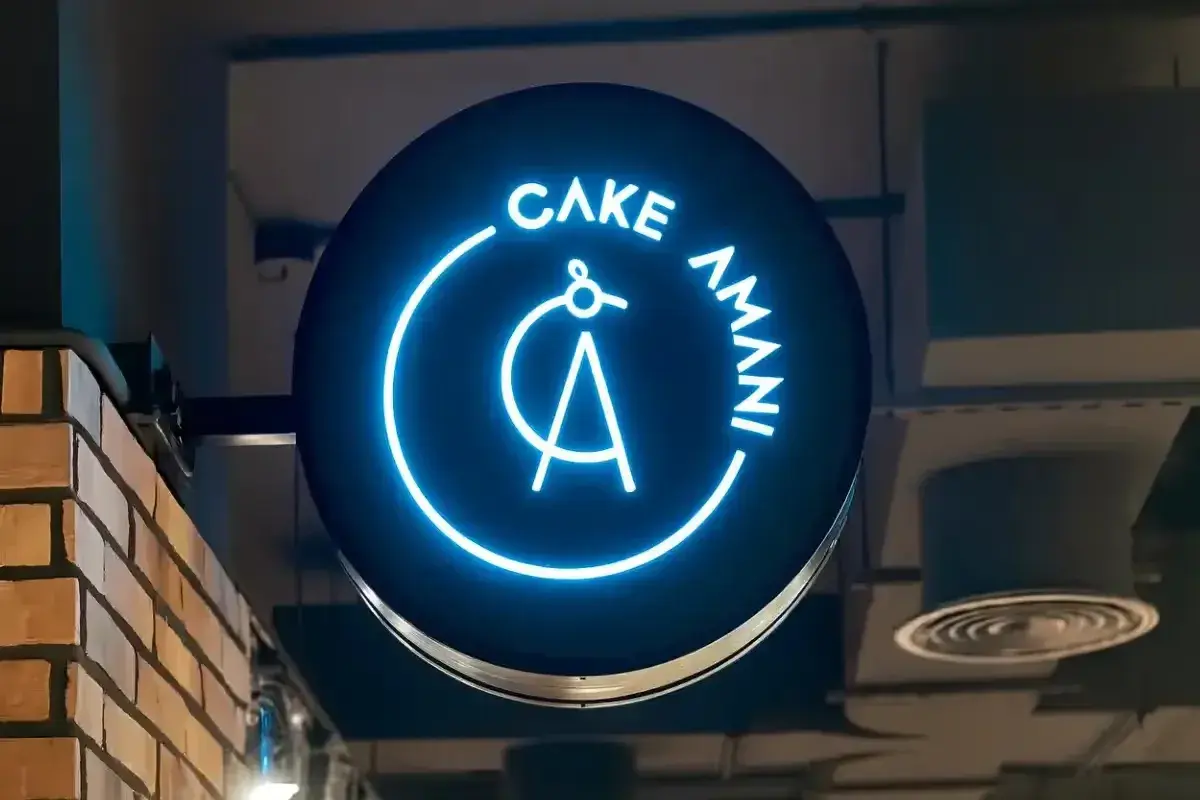


Blade Sign Illumination Options
- Illuminated Blade Sign with 3D letters: Fully fabricated 3D letters mounted back-to-back on a central projecting panel. This structure safely conceals all internal wiring while allowing light to glow straight through the letter faces or cast a luxury halo reflection.
- Blade Sign with Push-Through Acrylic Letters: Solid metal-faced projecting boxes with laser-cut lettering and pushed-through acrylic letters. This creates a 3D gemstone effect where only your letters glow, delivering a premium architectural look.
- Non-Illuminated Blade Signs: Solid aluminum or PVC panels built without internal electronics. This cost-effective layout hangs perpendicular to the wall and relies on external lighting, like classic gooseneck lamps or modern overhead spotlights.
- Blade Signs with Illuminated Acrylic Face: Double-sided illuminated signs that stick out sideways from your wall to catch traffic from both directions. We use translucent white acrylic faces finished with premium graphics so the entire sign surface glows smoothly and evenly at night.
- Blade Sign with Illuminated Flex-Face: High-durability projecting signs that use heavy-duty, tensioned canvas skins instead of rigid plastic faces. The face material is selected for the sign size and exposure; structural suitability requires project review.
Blade Sign Shapes & Custmization Options
- Round Shape Projecting Sign: Modern circular geometries that break up harsh architectural lines. This distinct format separates your corporate logo from neighboring structures, making it highly effective for cafes and boutique shops.
- Rectangular Shape Blade Sign: High-utility layouts built to maximize printable surface area. This rectangular canvas comfortably accommodates longer company names, multi-line typography, and horizontal brand layouts without compromising legibility from a distance.
- Custom Shape Blade Sign: Bespoke cabinets engineered to mirror the exact silhouette of your trademark emblem. Laser-cut to match unique profiles, this option creates a highly memorable structural landmark that maximizes visual retention.
- Double-Sided Projecting Blade Signs: The commercial storefront standard, displaying graphics on both faces. This perpendicular layout captures active pedestrian sightlines from both approach directions along sidewalks and shopping avenues.
- Single-Sided Blade Signs: A single-face display designed for tight spatial layouts or specific traffic routing. It mounts flat against columns or narrow interior mall corridors where pedestrian flow approaches from a single direction.


Blade Sign Mounting Bracket Options
- Rigid Arm Projecting Brackets: Heavy-duty structural steel tubes that lock the sign cabinet completely perpendicular to the wall. The suitability of a rigid bracket depends on the wall, sign and wind assessment.
- Decorative Scroll Hanging Brackets: Ornamental wrought iron hangers featuring classic curves and scrollwork. The blade sign hangs from chains or hooks below the frame, delivering an elegant, traditional aesthetic perfect for artisan cafes and boutique storefronts.
- Flush Facade Projecting Mounts: Minimalist structural brackets that bolt directly into the wall, keeping the sign cabinet tight against the building surface with no visible support arms. This clean engineering provides a sleek, modern look for luxury corporate entrances.
Our Projects Gallery
Browse our gallery of completed branding projects across Abu Dhabi. Every photo shown is from a real project delivered by Ninety Nine Advertising LLC, showcasing premium, functional and high-visibility branding solutions in actual business environments.


Blade Signs Fabrication & Installaiton in Abu Dhabi
Ninety Nine Advertising LLC is a premier projecting sign manufacturer combining precision metal fabrication with structural facade engineering across Abu Dhabi. Operating from our specialized Musaffah workshop, our teams handle everything from custom bracket welding to high-wind load calculations for a secure, professional storefront handover.
Projecting Sign Bracket Design
Bracket and fixings are selected for the sign dimensions, wall construction, wind exposure and any required structural review. The mounting method is confirmed for the specific building before installation.
Optical LED Uniformity
Our double-sided internal LED matrix grids are paired with advanced light-diffusion liners. Lighting placement is designed for both faces and checked for the installation.
Weather-Sealed Metal Fabrication
We utilize fiber-laser cut aluminum housings assembled with clean returns and heavy-duty internal rubber gaskets. This protects internal electrical components and low-voltage diodes from rain, desert dust, and intense coastal humidity.
How Blade Signs Capture Two-Way Foot Traffic
- High-street retail corridors: Retail operators on Abu Dhabi high streets where foot traffic moves parallel to the building line. The blade sign captures customers from both directions before they pass the storefront.
- Cafés and restaurants in evening-trade zones: F&B operators in Abu Dhabi pedestrian areas where trade runs after dark. An illuminated blade sign identifies the entrance from both approach directions.
- Mall galleries and retail corridors: Tenants in Abu Dhabi mall environments where customers walk along corridors. A blade sign adds projecting depth that flat fascia signs cannot match.
- Clinics and multi-tenant buildings: Medical practices sharing a building line in Abu Dhabi. A blade sign marks the specific entrance from both approach directions, helping patients locate the correct door.
Ready to capture pedestrian foot traffic with a high-impact projecting sign? Get an accurate, project estimate from our Musaffah-based fabrication team by sharing a few quick details:
- Shop Location: Specify if your retail storefront is a high-street shopfront, an exterior commercial building facade, or an indoor retail unit within an Abu Dhabi shopping mall.
- Illumination Style: Choose from acrylic face lightboxes, heavy-duty flex faces, premium 3D push-through acrylic letters, or classic non-illuminated hanging panels with external lights.
- Shape & Bracket Preference: Select your design profile (round, square, or custom die-cut contours) paired with structural rigid arms, decorative scroll hangers, or flush mounts.
Complete Your Storefront Exterior Branding with Us in Abu Dhabi
Looking for different signage options or ready to maximize your entire storefront exposure? Explore our premium, in-house Abu Dhabi advertising solutions:
- Main Storefront Signboards: Pair your side-view blade sign with a massive, front-facing main lightbox or 3D letter fascia sign directly above your entrance to anchor your main street presence.
- Storefront Window Graphics: Turn your shop windows into valuable advertising space using high-resolution blockout branding wraps or perforated one-way vision film that lets light inside.
- Custom Entrance Door Decols: Complete your customer entry path with clean, computer-cut vinyl graphics on your glass doors showing your brand logo, business hours, and contact details.
- Indoor Lobby & Reception Signs: Carry your outdoor branding inside by matching your exterior storefront identity with a premium, backlit 3D logo reception sign on your main feature wall.
This Product is Not What You Want? Explore Our Other Branding Solutions

Directional Pylon Signs
Freestanding pylon and totem signs for Abu Dhabi property entrances. Sign height, visibility, foundation, wind exposure and required approvals are reviewed for the specific site before fabrication.

Retail Storefront Signboards
Ninety Nine Advertising LLC designs, fabricates and installs custom 3D letter storefront signboards for Abu Dhabi retail units and showrooms. Material, illumination, mounting and approvals are planned around the frontage and site requirements.
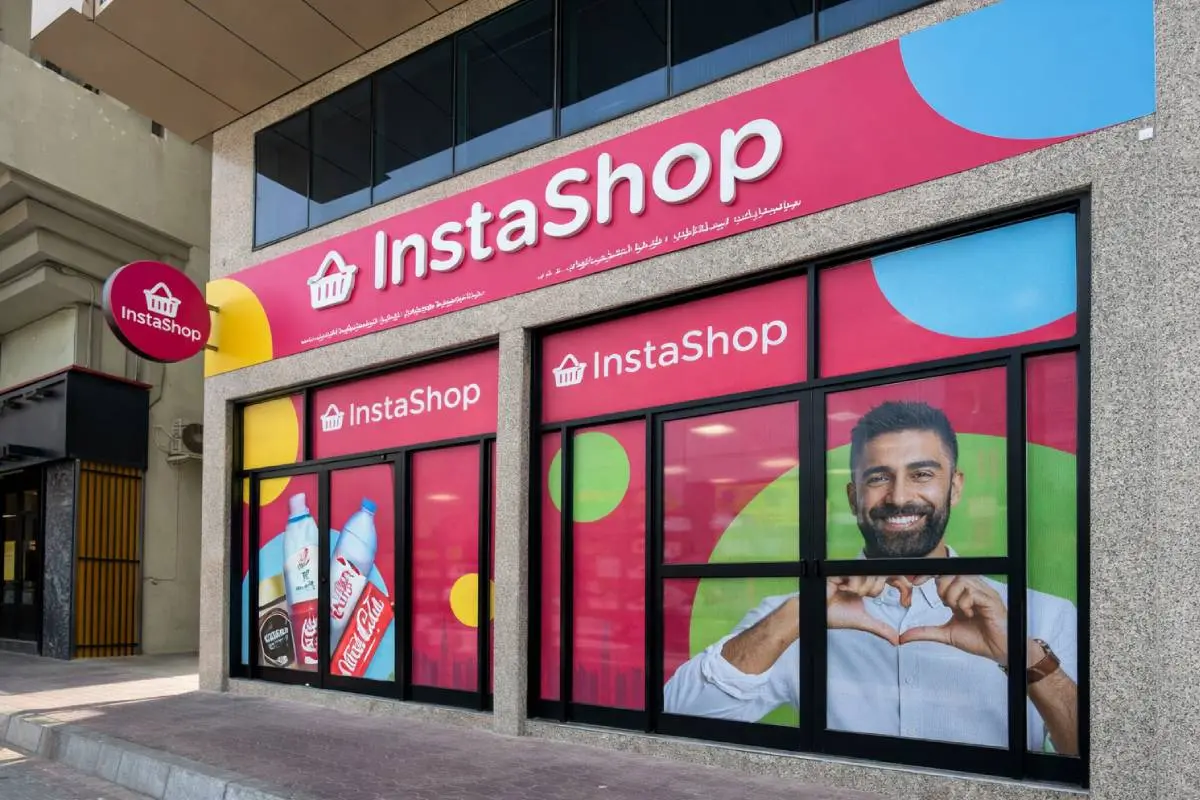
One-Way Vision Stickers
Turn shopfront, showroom and street-facing office glass into full-colour advertising without losing the daytime view from inside. Ninety Nine Advertising LLC designs, prints and installs one-way vision glass stickers and micro-perforated one-way vision window film across Abu Dhabi, with the film selected according to image impact, outward visibility, daylight and installation duration.

Opaque Window Vinyl
Convert clear glazing into a light-blocking graphic surface with edge-to-edge precision. Designed, printed and installed by our in-house Musaffah workshop team, our full-coverage, non-see-through opaque window stickers and double-sided blockout wraps completely eliminate visibility, hide messy mall fit-outs, and display high-impact corporate branding across Abu Dhabi.
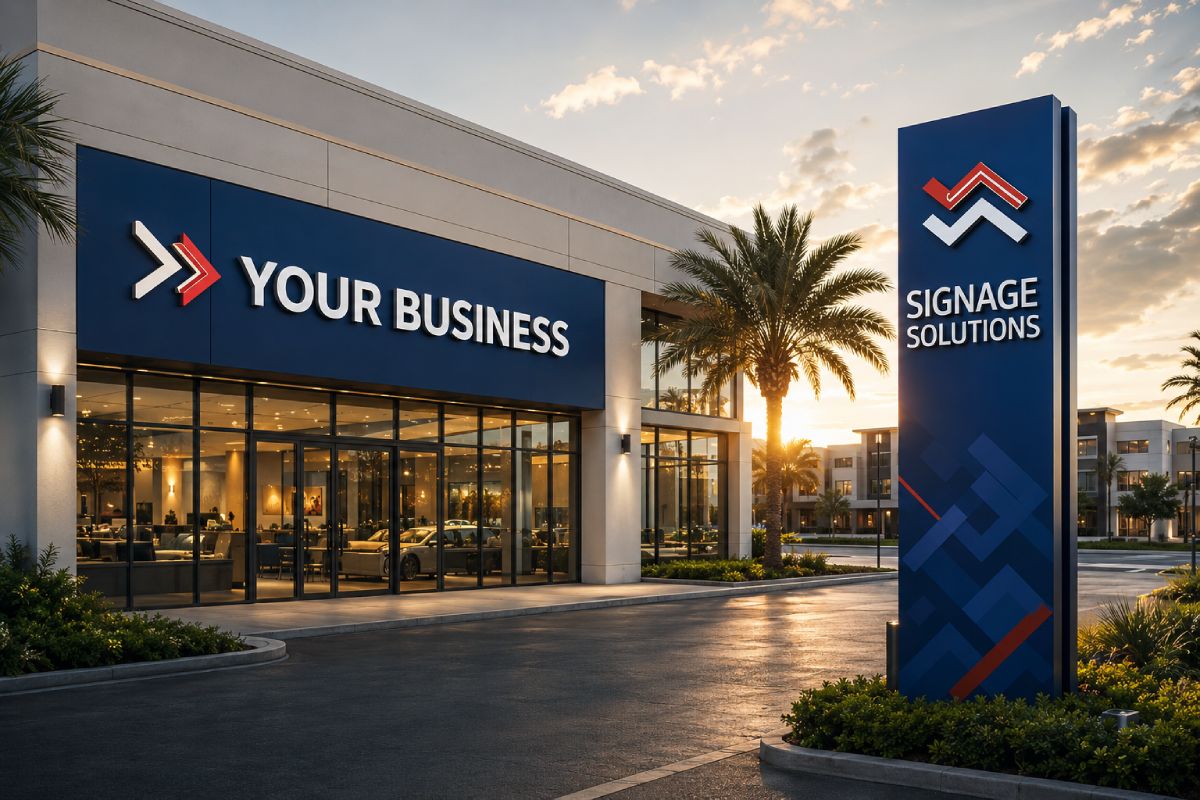
If this sign is not the right match, explore more outdoor signage options for visibility, lighting, structure, location, and permit needs.
Frequently Asked Questions
What is the minimum clearance height for a blade sign?
Clearance and fixing positions are determined by the building, pedestrian access, property rules and the applicable authority requirements. We confirm the approved dimensions and location for each project.
How are blade signs engineered for wind loading?
Wind loading is calculated per installation based on dimensions, projection depth, and substrate. Cantilever brackets with gusset reinforcement and 316 stainless steel fixings anchor the assembly. Specification is confirmed before fabrication.
What is blade signage?
Blade signs are projecting signs mounted perpendicular to a building or shop elevation, with faces visible along the frontage. Whether an approval is required depends on the location, property and proposed design. We review those requirements before fabrication. Available formats include square, round, rectangular and custom shapes, with optional illumination.
Does a blade sign require a permit in Abu Dhabi?
Approval requirements depend on the sign location, size, building and illumination. The property owner and relevant authority should confirm the applicable process before fabrication and installation; we can assist with drawings and supporting documentation.