.svg)

Optically Clear Graphics & Transparent Glass Printing
Get the premium look of graphics printed directly onto your glass. We custom-print and install ultra-transparent, architectural-grade clear window graphics for luxury retail boutiques, corporate showrooms, and high-end offices across Abu Dhabi.
Choose Your Transparent Window Printing Style
This ultra-premium printing method eliminates the massive labor costs and design limitations of manual vinyl weeding, allowing hyper-detailed vector typography, complex drop shadows, and photographic brand assets to sit flawlessly on a single clear sheet.
High-end corporate graphics and luxury retail branding retain absolute color vibrancy and crisp legibility even when mounted on heavily tinted or dark showroom glass facades.
Built with high-stability polyester films, its appearance depends on the film specification, glass and exposure cycles to preserve a pristine visual display for years.

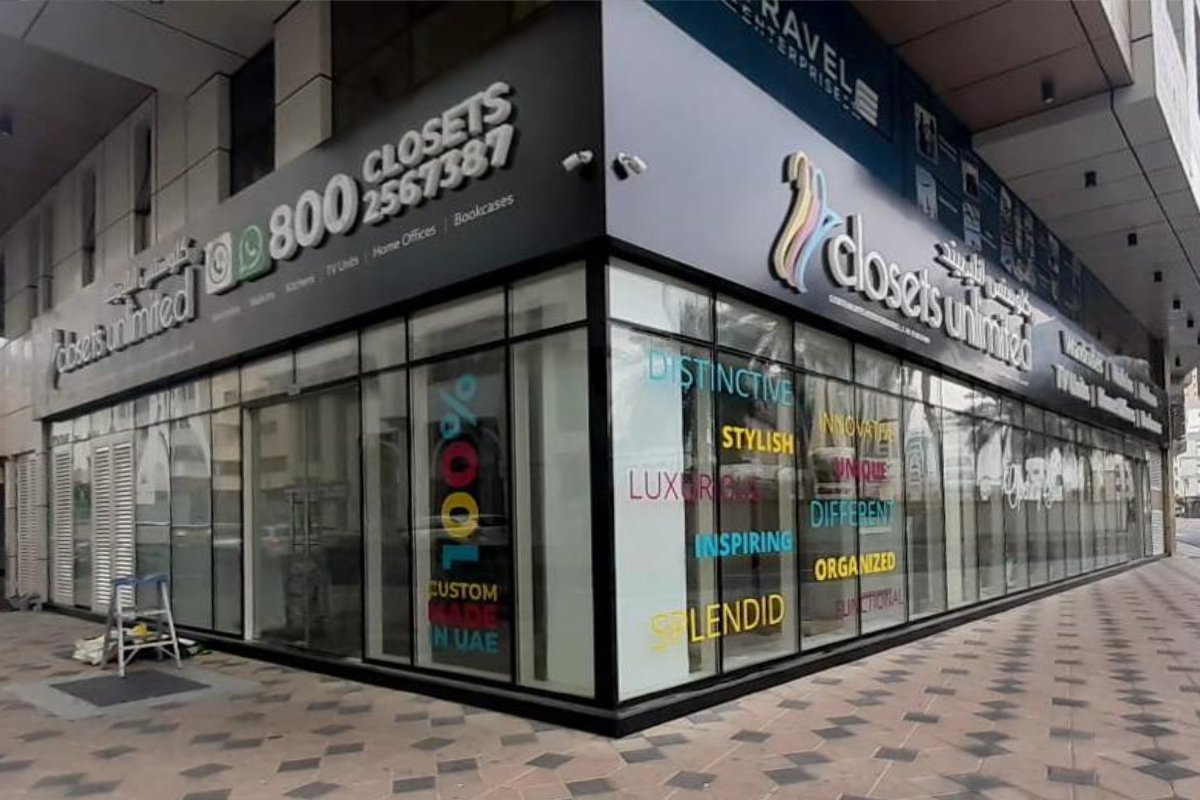


Optically Clear Graphics for Logos & Typography
Suitable for floating logos, fine lettering, and intricate brand patterns. The clear carrier can make artwork appear integrated with the glass when the film and surface suit the design.
- Clear Carrier Film: Complex multi-color artwork and thin text lines are printed on a single, continuous clear sheet. This completely removes the need to cut or weed delicate vinyl.
- Vibrant White Ink Backing: We print a precise layer of high-density white ink behind your colored logo. This can improve contrast, subject to the glass tint and printed design.
- Best For: Corporate entrance doors, museum timeline partitions, luxury retail windows, and executive office dividers.
Stained-Glass Effects (Translucent Light-Filtering Graphics)
Ideal for colorful accent walls, ambient mood creation, and creative interior designs where you want the graphics to blend smoothly into the room's atmosphere.
- Natural Light Diffusion: Our transparent inks remain beautifully translucent. They allow over 90% of natural Abu Dhabi daylight or indoor lighting to pass right through the graphic.
- Shifting Color Reflections: The printed artwork filters incoming sunlight to project soft, moving colored shadows onto your floors and walls as the sun changes direction.
- Best For: Boutique cafes, luxury hotel lobbies, corporate atriums, creative agency workspaces, and retail experience zones.


Double-Sided Clear Graphics (Fading Privacy & Dual Branding)
Engineered for corporate spaces that require bold visual branding, smooth privacy fades, or completely different marketing messages on each side of a single glass panel.
- Dual-Sided Messaging: Advanced multi-layer printing allows us to show sharp, readable graphics on both sides of the same glass pane without either side bleeding through.
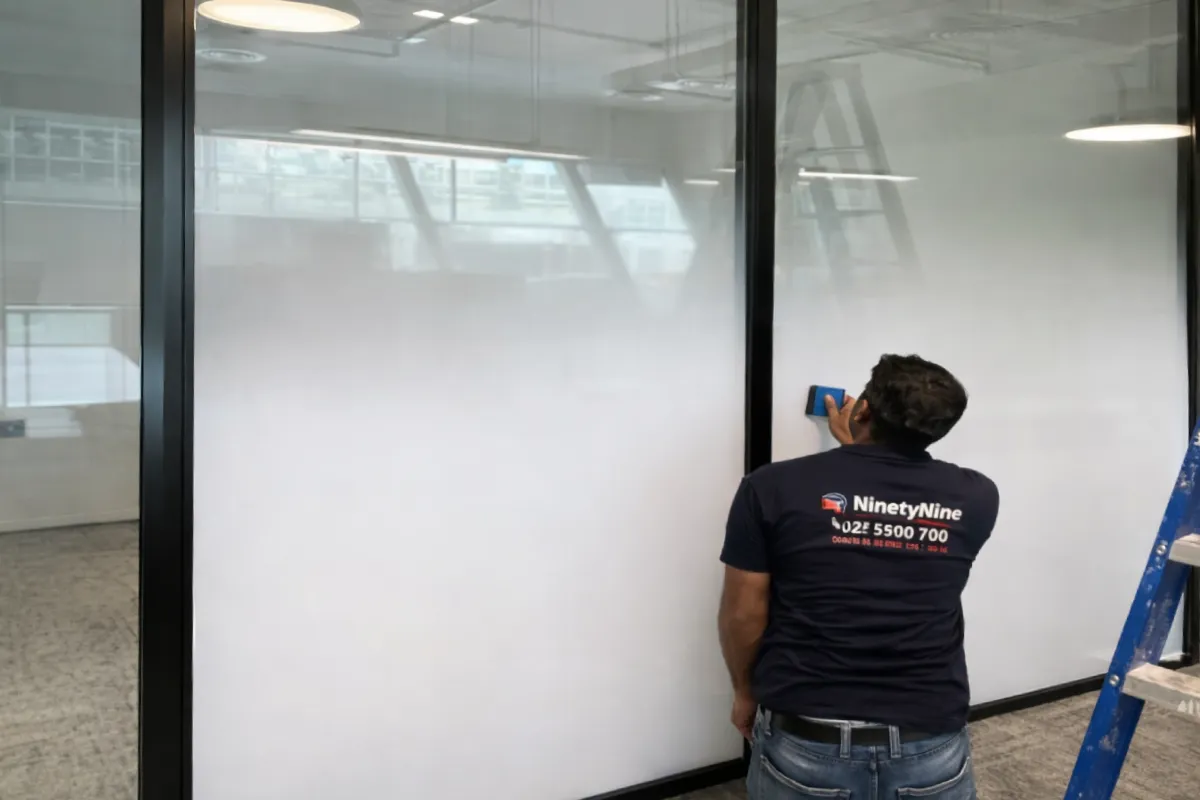
- Elegant Gradient Privacy Fades: Uses crisp fade-out patterns to softly blur views at eye level for privacy, while keeping the top and bottom of your architectural glass wide open.
- Best For: Executive boardrooms, private clinic partitions, automotive showroom glass facades, and mall storefront doors.
Our Projects Gallery
Browse our gallery of completed branding projects across Abu Dhabi. Every photo shown is from a real project delivered by Ninety Nine Advertising LLC, showcasing premium, functional and high-visibility branding solutions in actual business environments.


Professional Clear Glass Printing & On-Site Installation
At Ninety Nine Advertising LLC, we manage the entire transparent graphics lifecycle in-house—from advanced UV ink calibration at our Musaffah facility to expert on-site application. We select film and print finishes for the intended glass, light and exposure conditions.
Premium Print Calibration & Detail Control
- High-Resolution Detail Replication: Our advanced UV printers easily execute hyper-detailed brand logos, fine typography, and complex geometric patterns on a single clear sheet, completely bypassing the need for visible cutout lines.
- Vibrant Opacity Control: We drop a solid layer of heavy white ink exactly behind your design. Ink and white backing options can improve colour contrast, depending on the glass and lighting.
- Multi-Layer Visual Control: For premium glass doors and office partitions, we stack print layers to create separate, perfectly aligned graphics on both sides of the glass without either side bleeding through.
Glass Preparation & Panel Alignment
- Surface Preparation: Optically clear film shows every tiny speck of dirt. Our teams use specialized glass scraping protocols and wet-application techniques to reduce dust, air pockets and creases during installation.
- Large-Panel Alignment: Our experienced crews meticulously plan panel seams, sightlines, and text alignments across massive glass spans, showroom facades, and long corporate lobby partitions.
- Glass Visibility Markings: Where the project requires them, manifestation bands or anti-collision markings can be planned to meet the approved site brief. Final acceptance depends on the property or relevant reviewer.
Built for the Intense UAE Climate
- Heat & AC Expansion Stability: We use premium, commercial-grade clear polyester films specifically engineered to handle the extreme temperature shifts between intense outdoor Abu Dhabi heat and indoor air conditioning cycles.
- Fade-Resistant UV Inks: Our industrial inks are highly stable against UV exposure, with performance depending on film selection, exposure and maintenance.
- Removal Planning: For short-term luxury retail pop-ups and seasonal marketing campaigns, we utilize specialized low-tack clear films selected for temporary use, with removal results depending on glass condition and film age.
How Optically Clear Film Creates Printed-on-Glass Branding
- Clear Film Retail Window Branding vs One-Way Mesh: Display-facing windows need branding that does not obstruct your high-value merchandise. Optically clear film places custom graphics on glass while unprinted areas stay fully transparent. By comparison, one-way vision film reduces light and shows a visible mesh texture—making it the incorrect specification for clear display windows.
- Clear Office Glass Partition Graphics: Apply corporate logos and subtle wayfinding graphics on interior glass partitions and entrance glazing without an opaque background breaking the open-office architectural character. While opaque blockout film eliminates that visual openness entirely, clear film preserves it perfectly.
- Transparent Café Window Decals vs Frosted Film: Display menu callouts and café identity graphics on street-facing glass while keeping the interior dining space completely visible from the outside. While frosted film blocks the view and opaque vinyl converts the window into a solid panel, optically clear film beautifully preserves visibility in both directions.
Planning optically clear graphics for your glass doors? To prepare a project-specific estimate, please share a few details with our team:
- Application Surface (Showroom entrance doors, glass product display cases, or indoor retail mirrors)
- Approximate Dimensions (Estimated width and height of your intended graphic area)
- Print Configuration (Clear transparent base with high-density white ink backing or full-color translucent printing)
- Campaign Duration (Long-term permanent corporate branding or short-term seasonal retail promotions)
Our team coordinates printing and local installation for optically clear glass graphics across Abu Dhabi.
Complete Your Storefront Branding Setup in Abu Dhabi
Looking for a different glass coverage layout or ready to complete your entire business entrance fit-out? Explore our premium, in-house Abu Dhabi branding solutions:
- Opaque Storefront Window Wraps: Opt for 100% solid, light-blocking vinyl graphics for total coverage advertising.
- Frosted Glass Stickers & Manifestation: Achieve elegant day-and-night privacy for meeting rooms, clinics, and partitions without losing natural light.
- Custom Storefront Signboards: Maximize high-street visibility with a custom-fabricated, backlit 3D LED outdoor sign for your storefront entry.
- 3D Corporate Reception Signs: Create a flawless first impression in your main lobby with dimensional, high-end corporate office logo signage.
This Product is Not What You Want? Explore Our Other Branding Solutions
One-Way Vision Stickers
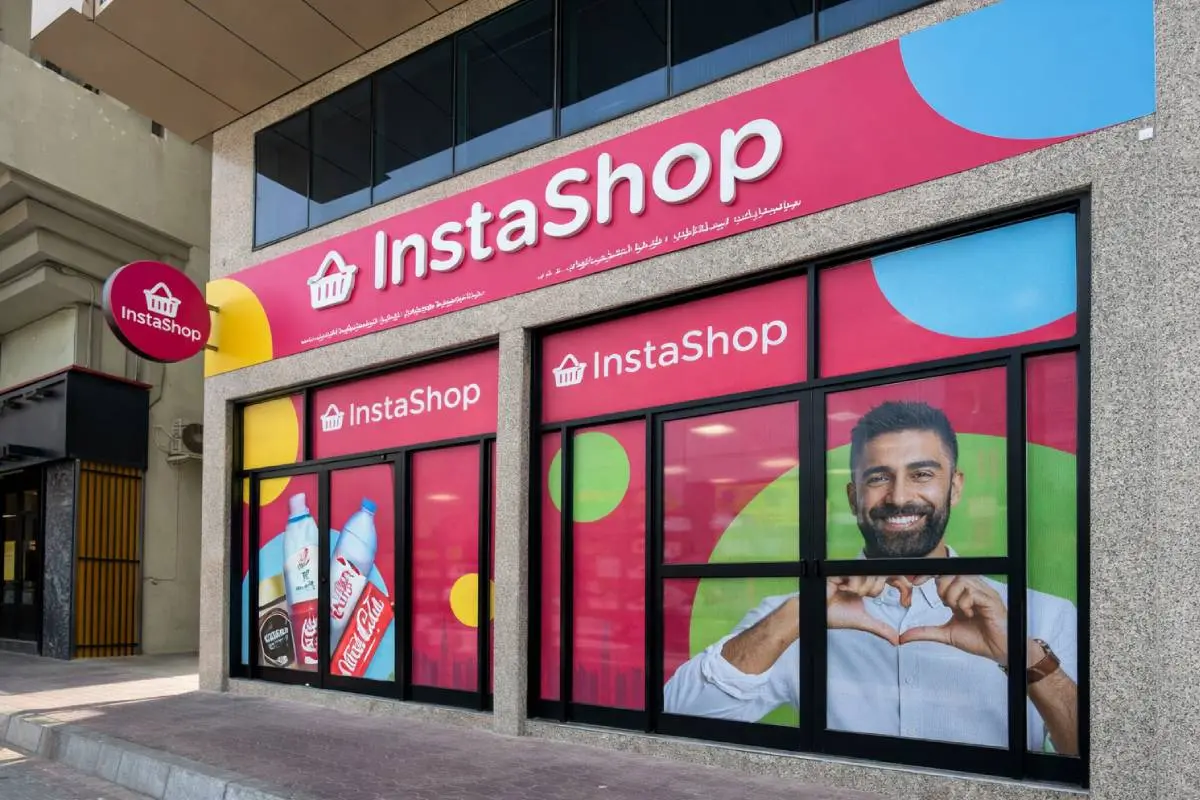
Turn shopfront, showroom and street-facing office glass into full-colour advertising without losing the daytime view from inside. Ninety Nine Advertising LLC designs, prints and installs one-way vision glass stickers and micro-perforated one-way vision window film across Abu Dhabi, with the film selected according to image impact, outward visibility, daylight and installation duration.

Frosted Glass Stickers
Custom frosted glass stickers and privacy film for office glass doors, partitions and windows across Abu Dhabi. We design, print, precision-cut and install plain, blank or gradient frosting, privacy bands, standard-cut, logo-cut and reverse-cut designs, patterned manifestation and full-colour printed options.
.jpg)
Storefront Signboards
Ninety Nine Advertising LLC designs, fabricates and installs custom 3D letter storefront signboards for Abu Dhabi retail units and showrooms. Material, illumination, mounting and approvals are planned around the frontage and site requirements.

Opaque Window Vinyl
Convert clear glazing into a light-blocking graphic surface with edge-to-edge precision. Designed, printed and installed by our in-house Musaffah workshop team, our full-coverage, non-see-through opaque window stickers and double-sided blockout wraps completely eliminate visibility, hide messy mall fit-outs, and display high-impact corporate branding across Abu Dhabi.
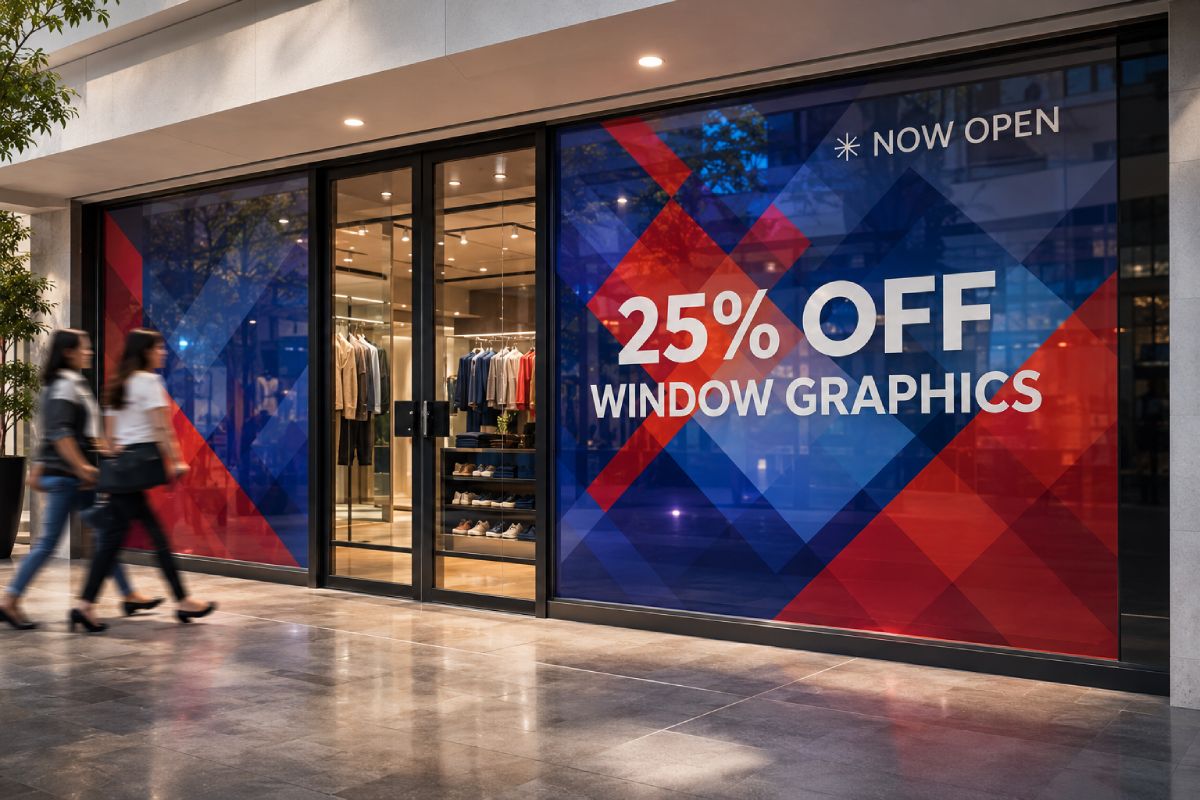
Compare window lettering, frosted privacy film, one-way vision, opaque blockout graphics and optically clear printed film according to the required coverage, privacy and visibility.
Frequently Asked Questions
Will the film edges show once installed?
No, the premium film carrier is completely optically clear, meaning unprinted areas remain virtually invisible on the glass surface. Our standard installation procedure covers the full glass pane from edge to edge rather than cutting tightly around individual graphic elements. This creates a continuous, completely seamless surface rather than a bordered sticker appearance.
How does optically clear film differ from one-way vision?
Optically clear film is a solid transparent film with zero mesh holes, whereas one-way vision perforated film uses a micro-punctured mesh layer. One-way vision film reduces light transmission and is visible at close range, making it ideal for exterior windows where street-level visibility masking is required. Optically clear film features unprinted zones that preserve two-way visibility through the unprinted areas, making it the correct specification for luxury retail display windows where two-way transparency is required.
Can white be printed on optically clear film?
Yes, we print high-opacity white ink directly onto optically clear film using advanced digital wide-format production systems. A white ink layer is absolutely required to create solid colors, high-contrast graphics, or readable text on a transparent background. Without a spot-white foundation layer, standard printed colors will look faint, washed-out, and translucent on the glass under ambient light.
Is the film removable at lease end?
Yes, clean film removal is entirely possible, but it depends strictly on the exact material selected for your project. We supply premium films like 3M IJ8150, which are engineered for clean removal with minimal heat during their operational lifespan. Other options, like Avery SP 1540 Ultra Clear, use high-strength permanent adhesives. We carefully match the film adhesive type to your specific Abu Dhabi mall lease requirements or short-term advertising campaign duration during our initial site brief.