.svg)
.jpg)
Reflective Vehicle Markings & Chevrons for Fleet Safety
Reflective, high-visibility vehicle markings help fleet identification stay visible under headlights and in low light. We prepare rear chevron markings, contour markings and printed reflective graphics for emergency, construction, utility and commercial vehicles in Abu Dhabi, with film chosen for the vehicle and project requirements.
Reflective Fleet Graphic Options in Abu Dhabi
Reflective vehicle markings and graphics return light toward its source, helping fleet identification remain visible in low-light conditions.
Material choice and layout depend on the vehicle type, operating environment, required markings and any applicable fleet specification. We review those requirements before preparing rear chevrons, contour strips or printed reflective graphics.


Reflective Rear Chevron Markings
- Rear visibility: Alternating reflective stripes can help identify vehicles operating in low-light roadside conditions.
- Vehicle fit: Layouts can be cut around doors, handles and hinges, subject to the available surface.
- Specification check: Stripe dimensions and angles are confirmed against any applicable fleet or authority requirement before production.
High-Visibility Contour Markings for Heavy & Industrial Vehicles
- Commercial fleet identification: Retroreflective graphics can make a fleet name and vehicle outline easier to identify under headlights.
- Site-specific requirements: Industrial operators can share their vehicle marking specification for material and layout review.
- Heavy-vehicle contour marking: Where a stated standard applies, the film grade and placement should be checked against that requirement before installation.
.webp)

Reflective Film & Installation Options
- Film grade: Engineering-grade and higher-performance microprismatic options may suit different visibility and service requirements.
- Printed or cut graphics: We select a compatible film and production method for the artwork.
- Surface preparation: Panel condition, edges and cleaning requirements are reviewed before application.
Our Projects Gallery
Browse our gallery of completed branding projects across Abu Dhabi. Every photo shown is from a real project delivered by Ninety Nine Advertising LLC, showcasing premium, functional and high-visibility branding solutions in actual business environments.


Why Choose Us for Reflective Vehicle Graphics in Abu Dhabi?
We prepare and install reflective fleet graphics in Abu Dhabi for vehicle identification and low-light visibility. The film grade, layout and installation method depend on the vehicle and intended use.
If your fleet must meet a specific standard or approval requirement, share that specification so material documentation and the artwork can be reviewed before production.
Vehicle and Specification Review
- Use case: We review the vehicle type, operating environment and intended marking before choosing a film and layout.
- Material documentation: Where a specification or standard is required, the relevant film grade and supplier documentation should be checked for the exact application.
- Approval requirements: Branding and safety markings can follow different approval processes; requirements should be confirmed for the vehicle before production.
Reflective Film and Graphic Options
- Film grades: Engineering-grade and microprismatic materials suit different project specifications.
- Printed branding: Compatible printable film can carry fleet logos and identification.
- Supplier documentation: Ask for film data when a specific performance or service requirement must be met.
Surface Preparation and Care
- Vehicle inspection: Paint condition, panel shape and existing graphics are reviewed before application.
- Edges and joins: The installation method depends on the film and vehicle surface.
- Cleaning: Follow the material manufacturer's guidance and avoid directing high-pressure water at graphic edges.
- Removal: Adhesive type, paint condition and removal method affect the outcome; assess these before promising clean removal.
Where Reflective Vehicle Markings Are Used in Abu Dhabi
- Emergency vehicles: Ambulance and civil defence vehicles on Abu Dhabi response routes — retroreflective markings maintain visibility at night where reflective media is useful.
- Security and patrol vehicles: High-visibility identification for compounds, industrial zones, and managed sites across Abu Dhabi — enabling vehicle recognition at distance in low-light conditions.
- Roadside recovery vehicles: Rear chevron markings for vehicles working on or adjacent to live carriageways — stationary-vehicle visibility in traffic is the core requirement.
- Construction and utility vehicles: Slow-moving vehicle markings for Abu Dhabi service routes and construction sites — supporting vehicle identification in mixed traffic.
Tell us your vehicle type, fleet size, required markings, and whether the graphics are for safety visibility, branding, or regulatory-style identification. Our salesperson responds the same working day, and the project moves from enquiry to vehicle review to quotation without subcontracting chains between you and the finished reflective graphics.
Commercial Advantages of Reflective Graphics in Abu Dhabi
- Low-light identification: Retroreflective film returns light toward its source, helping markings stand out when illuminated by vehicle headlights.
- Fleet specification: Share any required safety or regulatory standard so film documentation and placement can be reviewed for that vehicle.
- Branding across shifts: Printed or cut reflective graphics can carry fleet identity during daytime and low-light operation.
This Product is Not What You Want? Explore Our Other Branding Solutions

Full Vehicle Branding
Full vehicle branding and commercial vehicle wraps for Abu Dhabi company cars, vans, buses and fleets. Coverage, film choice and artwork are agreed for each vehicle after checking its condition and any applicable advertising permit requirements.
-p-800.jpg)
Partial Vehicle Branding
Partial vehicle wraps, half wraps and sectional graphics for company vans, cars and pickups in Abu Dhabi. Partial coverage can use the existing paint colour as part of the design, with printed vinyl panels placed where customers see them.
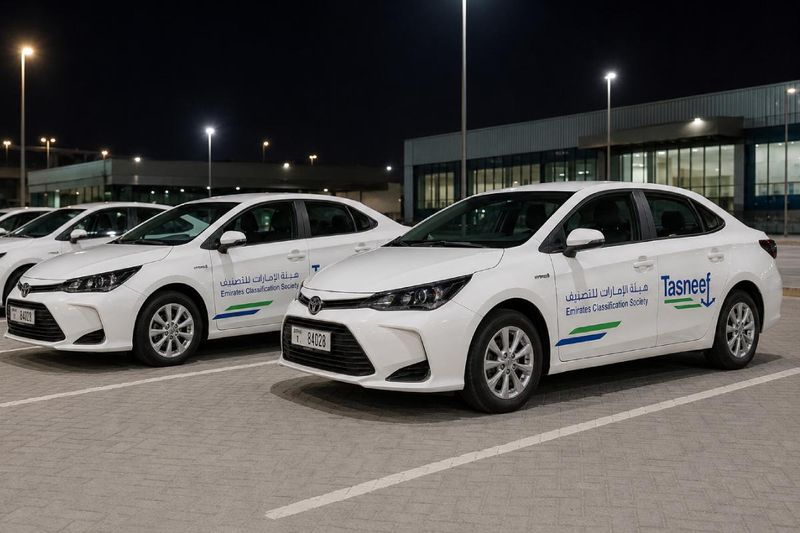
Fleet Lettering & Decals
We design, plotter-cut and install vinyl lettering for vehicles, logo decals and fleet lettering for company names, contact details and required regulatory wording. Our cut text layouts identify service vans, pickups and cars, with placement reviewed against any applicable approval requirements. Produced in-house by our Musaffah workshop team.

Box Truck Branding
Fully managed fleet branding and vinyl wrapping for commercial box trucks, chiller reefers and long-haul trailers in Abu Dhabi. Ninety Nine Advertising LLC handles everything from design and printing to artwork and documentation for vehicle advertisement approvals where applicable.

If a full wrap is not the exact fit for your budget, browse our complete range of commercial options for car stickers, delivery van wraps, fleet pickup graphics, decals, and custom commercial branding across Abu Dhabi.
Frequently Asked Questions
Is IJ680 removable or will it damage paint?
IJ680 has two adhesive variants. IJ680CR-10 is removable with heat and, where needed, chemical aid. IJ680-10 uses permanent adhesive and is not removable. Paint condition, substrate history, and removal method must be confirmed before clean removal is committed.
Do reflective vehicle markings need a permit in Abu Dhabi?
Permit requirements depend on the vehicle, the artwork and whether the markings include commercial branding such as a company name or logo. Where a vehicle advertising permit applies in Abu Dhabi, it is submitted through TAMM. Ninety Nine can handle that submission as a separate PRO service, quoted apart from the graphics. Share the fleet details and artwork so the current requirements can be checked before production.
Can logos be printed onto retroreflective film?
3M Scotchlite IJ680 and IJ680CR accept solvent, UV, and latex inkjet printing directly onto the retroreflective base — enabling full-colour livery and unit identification. Series 680 is the cut-only variant for pre-coloured markings.
Which vehicles need reflective chevron markings?
Chevron markings are mostly used on the rear of vehicles that stop or work beside live traffic: roadside recovery trucks, utility and construction vehicles, and emergency response fleets such as ambulance and civil defence vehicles. Security and patrol vehicles on compounds and industrial sites use reflective contour markings for identification at distance. Stripe dimensions and angles are confirmed against any fleet or authority requirement before production.