.svg)
Office Walls Design in Abu Dhabi: Wall Branding Ideas for Modern Workspaces
Office walls design is not just decoration. In Abu Dhabi workspaces, branded walls can shape first impressions, guide visitors, support company culture, and turn reception areas, corridors, meeting rooms, and staff zones into clear, professional brand surfaces.
Office walls design is not just about decoration. For Abu Dhabi workplaces, the right wall branding can turn reception areas, corridors, meeting rooms, and shared spaces into clear brand assets that support visitor experience, employee culture, wayfinding, and a more professional interior environment.
Blank office walls are a missed opportunity.
In many offices, walls are treated as leftover surfaces after the furniture, glass partitions, lighting, and flooring are complete. The result is usually predictable: a branded reception wall, a few empty corridors, unclear meeting rooms, and one motivational quote doing far too much emotional labor.
A better approach is to treat office walls as part of the workplace communication system. They can introduce the brand, guide visitors, identify rooms, display company values, support culture, and create stronger visual consistency across the office.
For businesses in Abu Dhabi, from corporate offices and clinics to consultancies, showrooms, training centers, and semi-government workspaces, office walls design should balance visual impact with material quality, installation practicality, and long-term flexibility.
Why Office Walls Design Matters in Abu Dhabi Workspaces
A well-designed office wall system helps people understand the space faster.
Visitors should know where they are. Staff should feel connected to the company environment. Meeting rooms, departments, and client-facing areas should feel intentional instead of assembled from whatever was left after fit-out.
Good office wall design can support:
- stronger first impressions,
- clearer visitor navigation,
- better brand consistency,
- more polished reception areas,
- improved meeting room identity,
- stronger culture and internal messaging,
- better use of corridors and shared spaces,
- professional presentation for clients and partners.
In Abu Dhabi office environments, this matters especially in commercial towers, business parks, clinics, real estate offices, training centers, and managed buildings where the interior needs to look finished, professional, and aligned with the company’s brand.
Office walls are not just background. They are the surfaces people see while waiting, walking, meeting, presenting, and deciding whether your company looks like it has its life together. A high bar, apparently.
Start With a Wall Branding Strategy
Before choosing materials or graphics, the office needs a wall branding strategy.
This means deciding what each wall should do. Not every wall needs a logo. Not every corridor needs a mural. Not every meeting room needs a full motivational manifesto in vinyl letters, mercifully.
A smart wall branding plan usually separates office walls into zones:
- reception walls,
- corridor walls,
- meeting room walls,
- boardroom walls,
- staff area walls,
- executive office walls,
- door and room identification points,
- feature walls,
- waiting areas,
- client-facing presentation zones.
For a complete approach, Ninety Nine Advertising LLC provides wall branding for Abu Dhabi offices, including wall graphics, murals, cut lettering, framed displays, acrylic signs, 3D logos, and floating wall-mounted panels.
The purpose is simple: each wall should either guide, identify, communicate, impress, or support the brand environment. If it does none of those things, it probably does not need another random pattern.

Office Walls Design Ideas by Workspace Zone
Reception Wall Design
The reception wall is usually the most important branded surface in the office. It is where visitors confirm they have arrived at the right company, and it sets the tone for the rest of the workspace.
Strong reception wall options include:
- 3D logo signs,
- acrylic wall signage,
- halo-lit reception logos,
- brushed metal lettering,
- acrylic standoff panels,
- textured wall backdrops,
- branded wall graphics,
- statement feature walls.
For corporate offices, clinics, law firms, consultancies, real estate companies, and professional service firms, reception walls should look permanent, balanced, and easy to read from the entrance.
A reception wall should not feel like decoration added at the end. It should feel integrated with the desk, lighting, flooring, ceiling, and visitor approach.
Corridor Wall Graphics
Corridors are often underused. They connect spaces, but they can also carry brand storytelling, project highlights, department identity, or visual rhythm.
Useful corridor wall design ideas include:
- company timeline graphics,
- values or culture statements,
- directional wall graphics,
- project showcase walls,
- branded pattern systems,
- staff achievement displays,
- department zone graphics,
- subtle line art or icon systems.
Corridor branding should be controlled. If every wall shouts, the office starts to feel like a trade show booth that never found the exit.
Meeting Room Walls
Meeting rooms need a different approach. They should support focus, professionalism, and privacy without becoming visually heavy.
Good options include:
- subtle branded wall graphics,
- framed wall art,
- acoustic-friendly mounted displays,
- room name signs,
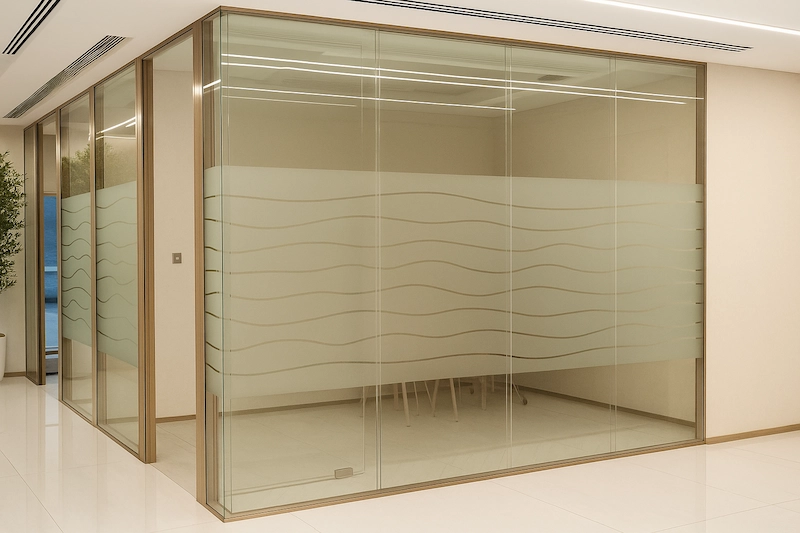
- frosted glass branding nearby,
- small acrylic logo panels,
- presentation wall graphics.
For client-facing meeting rooms, wall design can reflect credibility and attention to detail. For internal meeting rooms, the focus may be more functional: room names, privacy, team identity, or presentation backdrops.
Boardroom Wall Design
The boardroom should feel formal, calm, and considered.
Suitable boardroom wall branding includes:
- framed leadership displays,
- premium acrylic signs,
- standoff-mounted panels,
- subtle metal lettering,
- corporate timeline walls,
- brand statement panels,
- project or award displays.
The best boardroom wall designs avoid visual clutter. This is not the place for twelve slogans and a stock-photo skyline pretending to be strategy.
Staff Area Walls
Staff areas can carry more warmth and personality than formal client areas.
Useful ideas include:
- culture graphics,
- values walls,
- employee recognition displays,
- internal campaign walls,
- branded colour zones,
- wellness or pantry graphics,
- team photo displays,
- removable vinyl messaging.
These areas can be more flexible because internal messaging changes more often than reception identity. A removable or updateable system usually makes more sense than permanent fabrication.
Door and Room Wall Points
Office walls also help identify spaces. Meeting rooms, departments, storage rooms, server rooms, private offices, and utility areas all need clear labels.
This is where functional wall signage matters. Clear room identification reduces confusion and improves the flow of visitors and staff.
For these points, door and room identification signs for Abu Dhabi offices can include meeting room signs, department signs, office nameplates, slider signs, room numbers, and changeable insert systems.
This is not glamorous, but neither is watching a visitor open the wrong door during a board meeting. Function has its moments.
Product Options for Office Walls Design
The best office walls design usually combines several product types. One wall may need a premium sign. Another may need flexible graphics. Another may need framed displays or room identification.
Choosing the right format depends on the wall purpose, budget, finish, update frequency, and installation conditions.
Acrylic Signage for Branded Office Walls
Acrylic signage is one of the most versatile options for office walls. It can be used for logos, department names, feature walls, directional points, and branded displays.
Custom acrylic signage for Abu Dhabi office walls can include flat-cut acrylic letters, faced acrylic letters, front-lit acrylic signs, edge-lit acrylic signs, and faux-neon acrylic signs.
Acrylic works well when the office needs:
- clean brand presentation,
- colour-matched logos,
- lightweight wall signage,
- modern reception features,
- department identification,
- durable interior branding.
It is especially useful for painted walls, gypsum partitions, reception backdrops, and branded interior zones.
Office Wall Art and Branded Displays
Not every office wall needs signage. Some walls need art, photography, framed content, or branded displays.
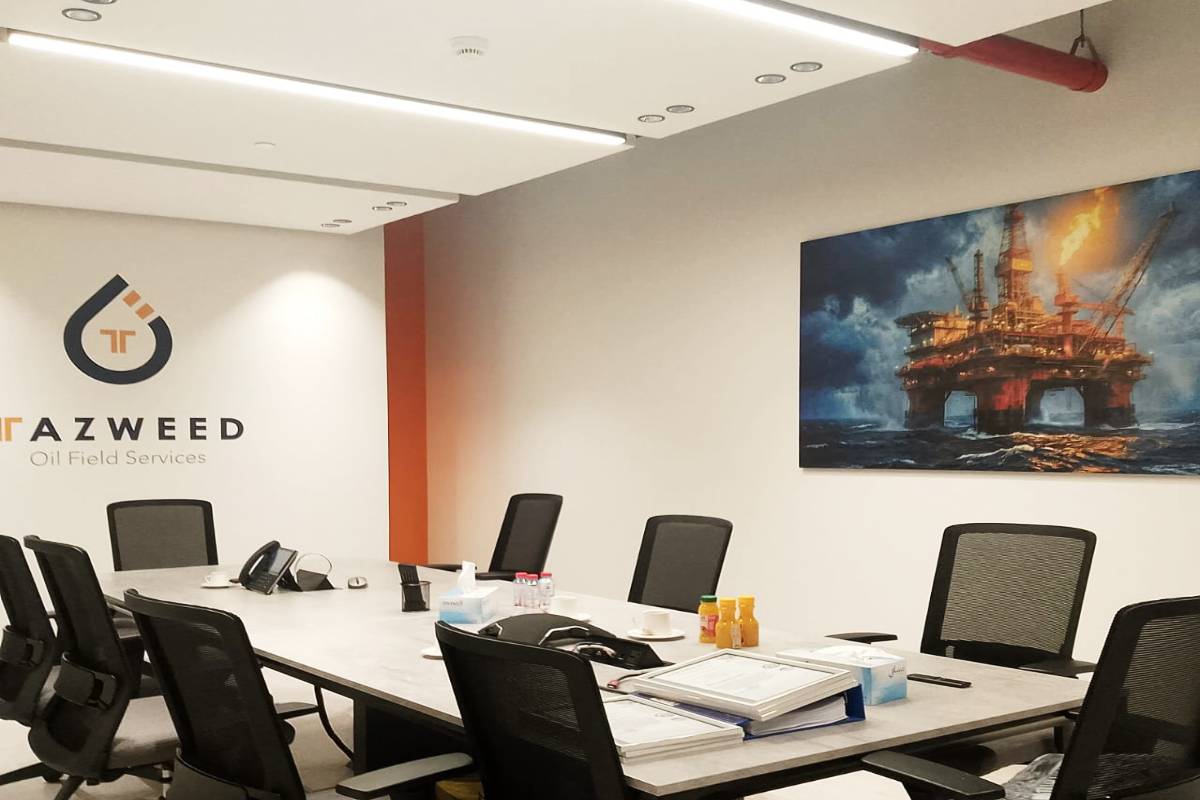
Custom office wall art and branded displays in Abu Dhabi can include framed photo displays, mounted prints, stretched canvas, leadership portraits, corporate photography, and curated wall displays.
This works well for:
- boardrooms,
- executive offices,
- corridors,
- waiting areas,
- client lounges,
- training rooms,
- company heritage walls.
Office wall art is useful when the goal is atmosphere and storytelling rather than direct identification. It can make a space feel complete without covering every surface in logos, which the walls probably appreciate.
3D Reception Signs for Feature Walls
For high-impact reception walls, 3D signs are usually the strongest option.
3D reception signs for Abu Dhabi office feature walls can be fabricated using stainless steel, aluminium, acrylic, or illuminated elements depending on the brand style and wall condition.
They are ideal for:
- reception walls,
- lobby feature walls,
- corporate headquarters,
- clinics,
- real estate offices,
- showrooms,
- professional services firms,
- client-facing arrival areas.
A 3D reception sign gives the brand depth and presence. It also photographs well, which matters because reception walls often appear in website images, LinkedIn posts, visitor photos, and internal communications. Civilization runs on surfaces and screenshots now, apparently.
Door and Room Identification Signs
Room signs are part of office walls design because they make the workplace easier to understand.
They can be used for:
- meeting rooms,
- boardrooms,
- departments,
- private offices,
- clinics and consultation rooms,
- training rooms,
- pantry areas,
- server rooms,
- storage areas,
- shared workspaces.
For offices where room names or staff names change, updateable signs are better than fully fixed signs. Slider signs, insert signs, and modular nameplates make future changes easier.
This is especially useful for growing teams, serviced offices, clinics, and multi-department workplaces.
Acrylic Standoff Signs for Floating Wall Displays
Acrylic standoff signs are a strong choice when the office needs a more refined wall-mounted display.
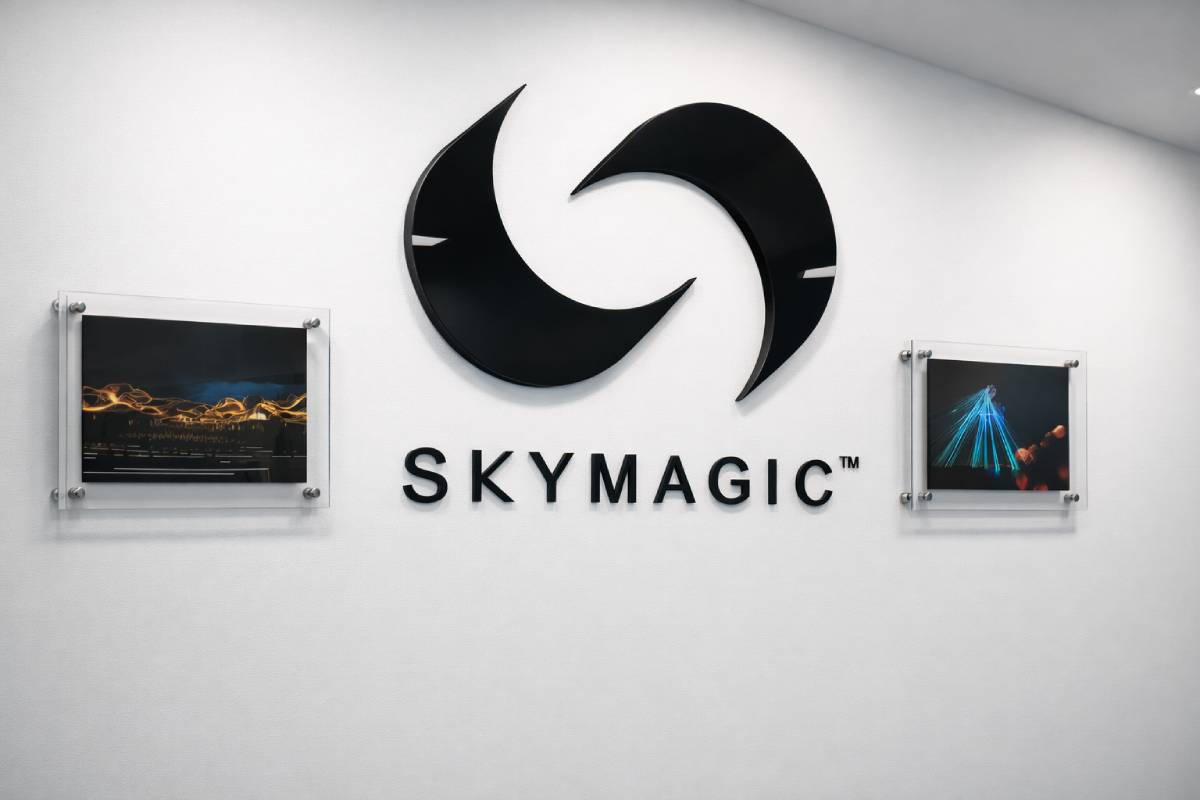
Acrylic standoff signs for office wall displays use raised wall fixings to create a floating effect. They can be used for logos, directories, certificates, mission statements, brand panels, department signs, and changeable displays.
They work well in:
- receptions,
- corridors,
- boardrooms,
- lift lobbies,
- office entrances,
- executive areas,
- training centers,
- clinics.
Standoff signs are useful when the office wants a clean, professional display without building a full feature wall. They also allow printed panels to be replaced more easily than permanent wall finishes.

How to Choose the Right Office Wall Design Format
Different office walls need different treatments. A reception wall, corridor wall, meeting room wall, and staff area should not all use the same design format. The right choice depends on the wall’s purpose, visibility, update frequency, surface condition, and the level of brand impact required.
For a premium reception wall, a 3D reception sign is usually the strongest choice. It gives the brand depth, permanence, and a professional first impression as soon as visitors enter the office.
For a clean branded wall logo, acrylic signage works well. It is suitable for reception backdrops, department walls, meeting areas, and branded interior zones where the company identity needs to look sharp and durable.
For large visual storytelling, wall graphics, murals, or wall wraps are better options. These work well in corridors, staff areas, waiting zones, and open-plan spaces where a larger surface can carry brand values, project visuals, company history, or environmental graphics.
For a formal corporate display, framed office wall art is a good fit. It works well for boardrooms, executive offices, client lounges, and corridors where the goal is a polished, curated visual presentation rather than direct signage.
For room clarity, door and room identification signs are the right choice. These help identify meeting rooms, departments, private offices, consultation rooms, storage areas, and shared facilities.
For a floating professional display, acrylic standoff signs are ideal. They work well for directories, mission statements, certificates, brand panels, department displays, and office entrance walls.
For flexible internal messaging, removable vinyl lettering or wall decals are more practical. They are useful for campaigns, temporary values walls, staff communication, seasonal messages, and internal updates that may change over time.
For a company values wall, cut vinyl lettering, acrylic lettering, or a mixed wall graphic system can work well depending on whether the message is temporary or permanent.
For corridor branding, wall graphics or mounted displays are usually the most effective. Corridors need rhythm, clarity, and controlled repetition rather than one oversized message placed where nobody expects it.
For boardroom identity, standoff panels, framed displays, subtle acrylic signage, or metal lettering can create a more refined look without making the room feel visually crowded.
For a temporary campaign, wall decals, removable graphics, or mounted prints are usually better than permanent fabrication. This avoids the classic office branding tragedy of installing something expensive two weeks before the marketing team changes the message. Very on-brand for modern life.
The goal is not to use every format. The goal is to choose the right format for the right wall.
Technical Checks Before Installing Office Wall Branding
Office wall branding is internal, but it still needs practical coordination.
Before production, check:
- wall substrate,
- paint condition,
- gypsum, concrete, glass, marble, or wood surface,
- wall strength,
- drilling restrictions,
- adhesive compatibility,
- cleaning method,
- lighting glare,
- furniture placement,
- viewing distance,
- corridor clearance,
- fire exit routes,
- building-management rules,
- future removal or reinstatement needs.
For vinyl wall graphics, the paint should be clean, smooth, dry, and properly cured. Dusty or textured paint can reduce adhesion.
For acrylic signage and 3D reception signs, the wall must support the fixing method. If illumination is required, wiring and power access should be reviewed before fabrication.
For standoff signs, fixing points should be checked carefully, especially on gypsum partitions, marble surfaces, glass partitions, or walls with hidden services.
For framed displays, spacing and alignment matter. A badly aligned frame wall does not look creative. It looks like a measurement lost an argument.
Permanent vs Removable Office Wall Branding
Not every office wall design should be permanent. Some messages need to stay for years, while others should be easy to update as teams, campaigns, departments, and company priorities change.
Removable wall branding is best for flexible communication. This includes vinyl lettering, wall decals, removable graphics, mounted prints, campaign visuals, staff messages, and temporary culture walls. These options work well when the content may change every few months or when the office is leased and future reinstatement matters.
Use removable branding for internal campaigns, seasonal messages, temporary values walls, event graphics, team announcements, department updates, and staff engagement areas. It gives the office flexibility without turning every update into a fabrication project, because apparently walls should not require a board meeting every time a phrase changes.
Permanent wall branding is better for core brand identity. This includes 3D reception signs, acrylic signage, stainless steel lettering, built-up wall logos, fixed feature walls, and long-term acrylic standoff displays. These options are ideal for reception areas, main entrances, boardrooms, client-facing walls, and high-visibility brand zones.
Use permanent branding when the message is unlikely to change. Company logos, main reception identity, formal boardroom displays, core brand statements, and long-term wayfinding elements should feel stable, durable, and integrated with the interior.
A good office wall branding plan usually combines both. Permanent signs create structure and brand authority. Removable graphics add flexibility and allow the office to evolve.
For most Abu Dhabi offices, the best approach is to keep reception identity, main brand walls, and core room signs permanent, while using removable graphics for campaigns, staff areas, and changing internal messages. That balance keeps the workspace professional without locking every wall into one version of the company forever, which is merciful because businesses do insist on changing their minds.
Office Walls Design Mistakes to Avoid
Treating Every Wall the Same
A reception wall, corridor wall, and meeting room wall do not need the same treatment. Each wall has a different role.
Overbranding the Space
Too many logos can make the office feel visually heavy. Brand presence should be confident, not desperate.
Ignoring Wall Conditions
Vinyl, acrylic, standoff panels, and framed displays all behave differently depending on the surface. The wall condition should be checked before design is finalized.
Using Low-Resolution Artwork
Large office walls need high-quality artwork. Low-resolution images become blurry, pixelated, and deeply unforgiving.
Blocking Graphics With Furniture
Wall graphics should be planned with desks, cabinets, sofas, plants, and screens in mind. A beautiful graphic hidden behind storage is not branding. It is expensive wallpaper for a cupboard.
Choosing Permanent Materials for Temporary Messages
Campaigns and internal messages should be easy to update. Permanent fabrication is better for stable brand elements.
Forgetting Room Identification
A beautiful office that is hard to navigate still fails. Room signs and department identification should be part of the design system.
Recommended Office Wall Branding Project Flow
1. Site Walk-Through
Review all walls, reception areas, corridors, meeting rooms, glass partitions, door points, and client-facing zones.
2. Wall Mapping
Decide what each wall should do: identify, guide, inspire, display, or reinforce the brand.
3. Brand and Message Hierarchy
Define where the logo appears, where values belong, where artwork is useful, and where functional signs are needed.
4. Product Selection
Choose between wall graphics, acrylic signage, 3D reception signs, office wall art, door signs, and standoff panels.
5. Artwork Preparation
Prepare correct sizes, print-ready files, colour references, bilingual layouts where required, and installation-ready artwork.
6. Material and Fixing Review
Check surfaces, wall strength, adhesive compatibility, drilling restrictions, and building-management requirements.
7. Production
Fabricate signs, print wall graphics, prepare panels, finish edges, and label installation sets.
8. Installation
Install according to site access, wall conditions, alignment requirements, and safety considerations.
9. Handover and Update Plan
Confirm final placement, clean finishes, and identify which elements may need future updates.
Office Walls Design Ideas for Abu Dhabi Business Types
Corporate Offices
Use reception signs, branded corridors, framed displays, and boardroom wall panels to create a polished environment for clients and partners.
Clinics and Healthcare Offices
Use calm wall graphics, room identification signs, privacy-focused displays, and clear directional signs to help patients move comfortably.
Real Estate Offices
Use project wall displays, 3D reception signs, framed renders, acrylic standoff panels, and branded meeting rooms.
Training Centers
Use wall graphics, room signs, instructional panels, framed displays, and flexible campaign walls for changing course content.
Government and Semi-Government Workspaces
Use bilingual room signs, formal reception walls, department identification, framed leadership displays, and consistent wall branding.
Creative and Tech Offices
Use feature walls, values graphics, project showcases, acrylic logo signs, and flexible wall decals for changing campaigns.
Frequently Asked Questions
What is office walls design?
Office walls design is the planning and use of office wall surfaces for branding, signage, artwork, wayfinding, room identification, culture messaging, and visual consistency. It can include wall graphics, acrylic signs, 3D reception signs, framed displays, standoff panels, and door or room signs.
What is the best wall branding option for an office?
The best option depends on the wall purpose. A reception wall often works best with 3D reception signage or acrylic signage. Corridors may use wall graphics or framed displays. Meeting rooms may need subtle branding, room signs, or privacy-related elements. Staff areas can use removable graphics or culture walls.
How much does office wall branding cost in Abu Dhabi?
Cost depends on wall size, material, artwork complexity, number of branded zones, fixing method, finish quality, and installation access. A small vinyl wall graphic will cost less than a fabricated 3D reception sign, acrylic standoff display, or full branded wall system.
Can office wall graphics be removed later?
Many vinyl wall graphics and decals can be removed, depending on the wall surface, paint quality, adhesive type, and how long they have been installed. Removable graphics are a good choice for temporary campaigns, staff messaging, and internal brand updates.
What is better: wall graphics or acrylic signage?
Wall graphics are better for large visuals, murals, colour fields, and flexible messaging. Acrylic signage is better for logos, reception walls, department names, and more permanent brand features. Many offices use both together.
Do internal office wall designs need permits in Abu Dhabi?
Internal office wall branding is usually handled as part of fit-out or interior branding, not as public-facing advertising signage. Requirements normally relate to building-management rules, wall condition, fixing method, corridor clearance, fire routes, and general building-code considerations.
Which office walls should be branded first?
Start with the reception wall, then move to key visitor routes, meeting rooms, boardrooms, department points, and staff areas. The most visible and high-impact walls should come first.
Planning office walls design for a new workspace, office refresh, clinic, showroom, or corporate fit-out in Abu Dhabi?
Ninety Nine Advertising LLC can help you plan, produce, and install wall branding, acrylic signage, office wall art, 3D reception signs, door and room identification, and acrylic standoff displays for a more complete branded workspace.
Related Content

The Ultimate Guide to Pickup Branding: Costs, Designs and Materials
Read Full Article →
Custom Office Wall Stickers & Graphics in Abu Dhabi: The Plain English Buyer's Guide
Read Full Article →
Shop Front Glass Stickers Abu Dhabi: The Ultimate Window Branding Guide
Read Full Article →
One-Way Vision Stickers in Abu Dhabi: Technical Specs & Storefront Applications
Read Full Article →
Glass Protection Film in Abu Dhabi: Safety, Frosted & Clear Options
Read Full Article →