.svg)

Structural Rooftop Signage in Abu Dhabi
Rooftop signs and roof-supported letters for Abu Dhabi buildings. Each proposal requires review of the roof structure, wind exposure, waterproofing, maintenance access and applicable approvals before fabrication and installation.
Rooftop Sign & Roof-Mounted Letter Options
Rooftop signs are letters, logos, and sign structures supported from the roof level rather than fixed directly to the external building facade. They are selected when the brand must sit at or above the roofline, clear surrounding visual obstructions, or register from multiple long-distance approach directions.
Every rooftop sign requires project-specific review of the roof structure, support frame, waterproofing interface, wind exposure, access, and authority approval. As premier rooftop sign board manufacturers in Abu Dhabi, we build durable, high-impact landmarks.


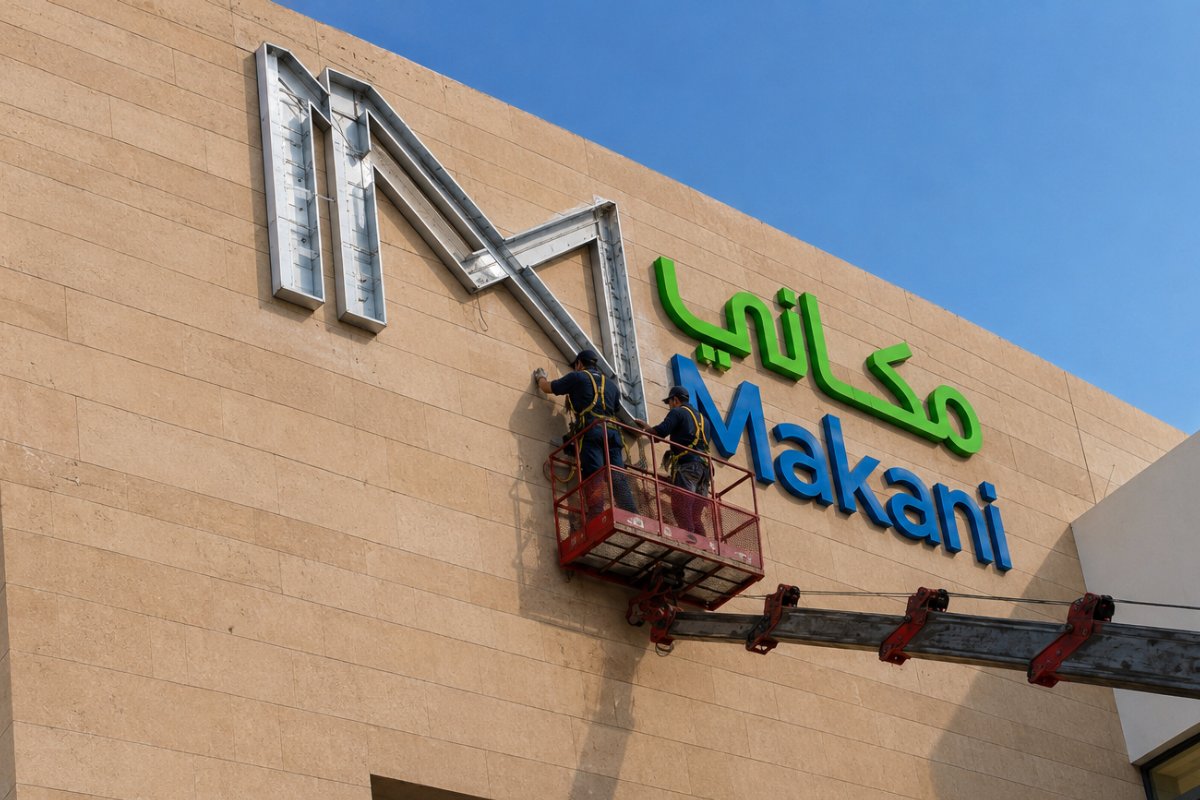

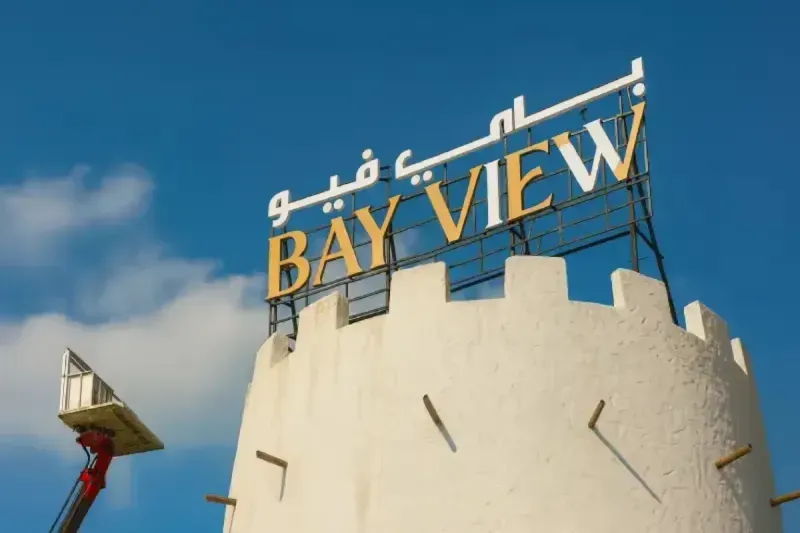
Structural Roof Mounting
The support and anchorage method must be designed for the existing roof and approved sign load. Roof membranes, drainage, structural members and safe access are assessed before any penetration or installation.
Concrete parapets, columns or other members are used only where the responsible engineer and property owner approve that connection.
Roof-Mounted Letters, Logos & Sign Structures
- Corporate identification: Letter size and positioning are evaluated against the building and intended approach sightlines.
- Industrial buildings: Roof-supported identity may suit properties with suitable structure and approved placement.
- Illumination: LED layout and brightness are planned for the sign face, building and local conditions.


Permits & Project Coordination
- Sign position: Height, location and visibility are reviewed against the applicable project rules.
- Lighting: Illumination is checked against the approved design and any relevant local conditions.
- Approval process: Required drawings and documents are prepared for the correct submission route after site review.
- Installation access: Crane or specialist access requirements are coordinated with the building and site operator.
Our Projects Gallery
Browse our gallery of completed branding projects across Abu Dhabi. Every photo shown is from a real project delivered by Ninety Nine Advertising LLC, showcasing premium, functional and high-visibility branding solutions in actual business environments.


Abu Dhabi’s Licensed High-Altitude Signage Contractors
We plan and fabricate rooftop signage in Abu Dhabi around the building's structural capacity, sign exposure, waterproofing and maintenance access.
The fixing design, installation method and any required approvals are confirmed for the actual roof before fabrication is released.
Roof Review & Approval Planning
- Site information: We review available structural drawings, the sign position and the building's access conditions.
- Engineering: A responsible engineer confirms the support and fixing requirements for the actual roof where required.
- Submissions: The applicable authority and property approvals are identified before production. Requirements and review time vary by project.
Wind-Load & Support Design
Rooftop signs need a support system designed for their size, location and exposure. Wind loads, anchorage and the capacity of the existing roof structure are reviewed by the project's responsible engineer.
Frame sections, corrosion protection and fixing details are specified after this review; a standard truss layout cannot be assumed suitable for every building.
Materials, Electrical Protection & Service Access
Structural steel, aluminum cladding and illuminated letter options are selected for the approved design. Galvanizing, coating, enclosure ratings and electrical components are specified according to site exposure and manufacturer data.
Wiring and driver access are planned so maintenance can be carried out by the appropriate team after installation.
How Rooftop Signs Turn Rooftops into Skyline Markers
- Hotels and Hospitality Properties in Abu Dhabi: Rooftop signs provide skyline-level identification for hotels where guests navigating arterial approaches need to locate the property at longer distance than facade-mounted formats allow.
- Landlords and Facilities-Management Teams for High-Rise Assets: Rooftop signage coordinates building identity across managed portfolios, providing the highest-level identification layer for properties where street-level formats do not deliver the required recognition.
- Corporate Headquarters in Abu Dhabi Towers: Rooftop signs position the brand at city scale, registering across major approach corridors where lower-mounted sign formats are not visible.
- Developers Completing a Broader Property Identity System: A rooftop sign serves as the highest-level identity layer in a multi-format building programme — above facade letters, above ground-level wayfinding, and above street-level signage.
Tell us your building location, roof access condition, approximate sign size, visibility direction, and whether you need illuminated letters, support frames, or a complete rooftop branding system. Our salesperson responds the same working day, and the project moves from enquiry to site visit to quotation without subcontracting chains between you and the sign going up.
Commercial Advantages of Rooftop Signage in Abu Dhabi
- Building identification: A rooftop sign may be visible from approaches where lower-mounted signs are obscured, subject to the building and surrounding sightlines.
- Long-range legibility: Sign size, contrast and illumination are chosen for the intended viewing conditions.
- Location choice: Rooftop, facade and ground-level options should be compared against the property, approvals and wayfinding needs.
This Product is Not What You Want? Explore Our Other Branding Solutions
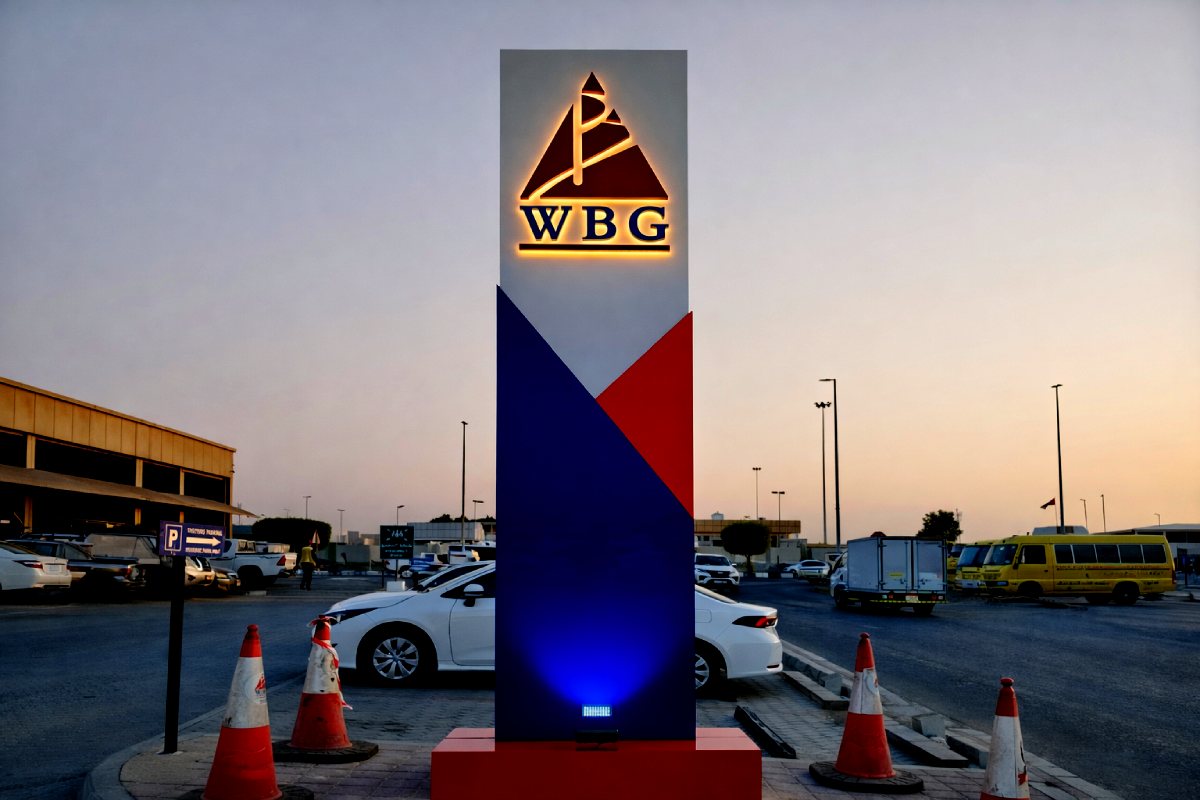
Pylon Signs
Freestanding pylon and totem signs for Abu Dhabi property entrances. Sign height, visibility, foundation, wind exposure and required approvals are reviewed for the specific site before fabrication.

Directional Blade Signs
Capture dual-direction pedestrian foot traffic with custom double-sided blade signs, round projecting lightboxes, and hanging wall signboards. Positioned perpendicular to your building facade, our premium outdoor flag signs project directly into pedestrian sightlines to capture traffic from both directions. We design, manufacture, and install weather-resistant projecting signs tailored to Abu Dhabi’s retail guidelines and modern brand aesthetics.

Frosted Glass Stickers
Custom frosted stickers and frosted privacy film for office glass doors, partitions and windows across Abu Dhabi. We design, print, precision-cut and install plain, blank or gradient frosting stickers, privacy bands, standard-cut, logo-cut and reverse-cut designs, patterned manifestation and full-colour printed options.

Building Facade Signage
Building facade signage and exterior 3D letters for Abu Dhabi commercial properties. We review the elevation, fixing surface, access method and project approvals before detailing fabrication and installation.
If this sign is not the right match, explore more outdoor signage options for visibility, lighting, structure, location, and permit needs.
Frequently Asked Questions
What is a rooftop sign used for?
Rooftop signage is used where a building requires brand identification or landmark presence at higher elevation and longer approach distance than lower-mounted sign formats typically provide. It suits hotels, corporate headquarters, and commercial towers where the brand must register at city scale or arterial-road approach scale.
Does every rooftop sign require engineering review before fabrication?
Yes. Rooftop signs require project-specific engineering review before fabrication release. The support system, roof interface, and sign design are aligned to the actual building condition before production proceeds.
How is compliance handled before production?
Permit sequencing through DMT / TAMM and any required project approvals are resolved before fabrication proceeds. Exact submission requirements depend on the actual site and project condition. We prepare and submit the documentation as part of the project scope.
When is rooftop signage more suitable than facade-level signage?
Rooftop signage is more suitable where the brand must register at skyline level, where the building sits within a major approach corridor, or where lower-mounted formats do not provide the required recognition function. The decision is confirmed during project review based on the building, location, and brand requirement.