.svg)
Storefront Vinyl Lettering in Abu Dhabi: Specs and Applications
Precision cut vinyl lettering is the backbone of professional retail and corporate storefronts. Learn the technical differences between vinyl grades, reverse-cut application methods, and the strict Department of Municipalities and Transport (DMT) guidelines required to brand your Abu Dhabi glass facades successfully.
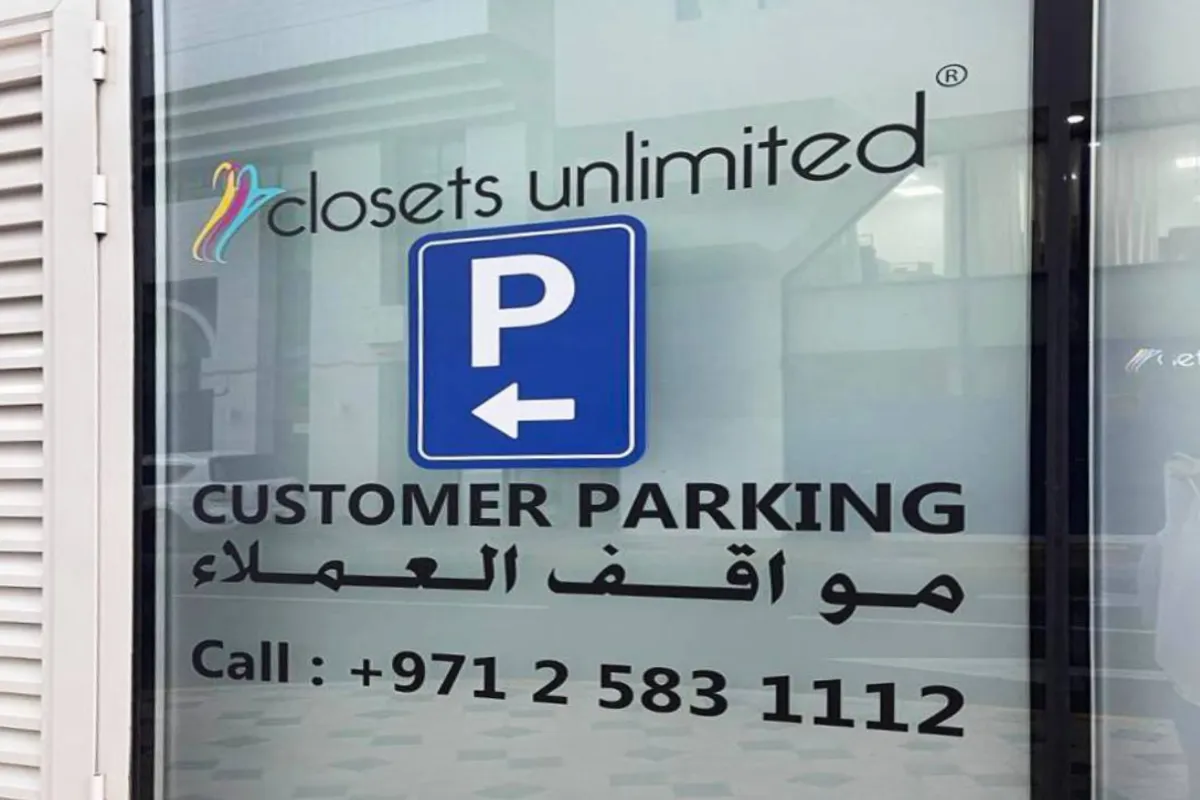
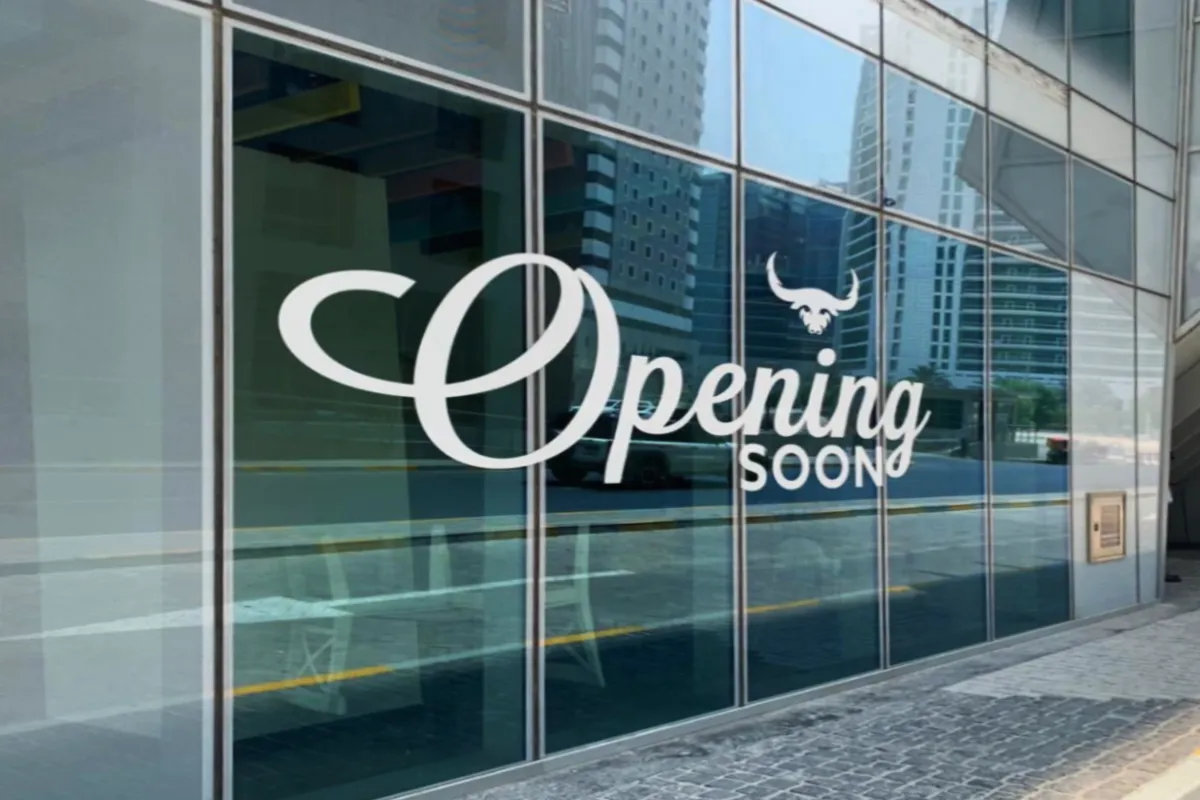
When establishing a corporate identity, retail presence, or clinical practice in Abu Dhabi, your storefront is your first physical point of conversion. While full-coverage opaque graphics serve a specific purpose for hoarding or complete privacy, many high-end brands prefer the minimalist, professional aesthetic of individual cut vinyl lettering.
Whether you are applying business hours, corporate logos, or promotional messaging to glass doors, the success of your storefront lettering depends entirely on technical precision, material selection engineered for the Gulf climate, and strict adherence to local municipal regulations.
The Engineering Behind Cut Vinyl Lettering
Unlike traditional printed window graphics that utilize a clear or opaque background film, cut vinyl lettering is a direct-to-glass application. It is created using a computer-guided precision plotter blade. This machine scores vector-based text and intricate logos into solid, pre-colored rolls of adhesive vinyl.
Once the plotter finishes cutting the design, the excess material is manually removed by a technician—a meticulous process known as "weeding." This leaves only the precise typography or logo elements intact on a waxy backing paper.
To transfer this onto a storefront, an application tape (or transfer mask) is applied over the top. This allows the installation team to lift the individual, freestanding letters simultaneously and apply them to the commercial glass with perfect kerning, alignment, and spacing. Once the adhesive bonds to the glass, the transfer tape is peeled away, leaving no visible background, borders, or carrier film.
Material Selection for the Abu Dhabi Climate
Using cheap, promotional-grade vinyl on an exterior-facing Abu Dhabi storefront is a guaranteed recipe for cracking, shrinking, and premature adhesive failure. To ensure your shop front decals and business hours survive the intense environmental conditions, businesses must understand the technical differences between vinyl grades.
Durability Comparison: Cast vs. Polymeric Vinyl
- Cast Vinyl (Long-Term Exterior): Manufactured by pouring liquid resin onto a casting sheet, this material has no structural "memory." It will not shrink, warp, or pull away from its adhesive base, even under Abu Dhabi’s extreme UV exposure and thermal cycling. This is the mandatory standard for permanent storefront window graphics.
- Polymeric Calendered Vinyl (Medium-Term): Manufactured by rolling PVC through heated cylinders, this material is thicker and offers excellent value for medium-term applications (up to 5–7 years). However, under intense, direct Gulf sunlight, it is slightly more prone to microscopic shrinkage over time compared to cast films.
- Monomeric Vinyl (Short-Term/Promotional): This is a budget-grade material suitable only for temporary indoor retail promotions. It should never be used for permanent exterior storefront lettering in the UAE.
Application Methodology: First-Surface vs. Second-Surface
Blowing sand, aggressive exterior window cleaning, and high pedestrian contact can degrade exterior graphics. To combat this, installers utilize specific application strategies:
- First-Surface Application: The lettering is applied directly to the exterior face of the glass. It is highly visible and matte, but directly exposed to weather and handling.
- Second-Surface Application (Reverse-Cut): The vector design is mirrored and cut in reverse. The installer applies the self-adhesive text to the inside face of the glass, facing outward. This protects the vinyl entirely from the harsh exterior Abu Dhabi environment, drastically extending its lifespan and protecting it from vandalism or cleaning abrasion.
Abu Dhabi DMT Storefront Design Manual Compliance
Executing precision storefront lettering requires more than just flawless installation; it demands legal compliance. The Abu Dhabi Department of Municipalities and Transport (DMT) enforces strict aesthetic guidelines to ensure the city maintains a cohesive, premium urban environment.
When planning your corporate logos or business hours vinyl lettering, you must strictly adhere to these verified DMT regulations:
- Zoning Restrictions: All storefront branding and lettering must be restricted exclusively to the designated Storefront Façade Zone.
- Prohibited Areas: Applying lettering or decorative elements to the Side Wall Zone or the Colonnade Surface Area is strictly prohibited and subject to municipal fines.
- Material and Aesthetic Constraints: The DMT mandates that designs must remain simple, legible, and highly relevant to the licensed trade. Furthermore, the use of highly reflective materials, metallic mirror finishes, or reflective glazing behind the lettering is strictly forbidden, as it creates visual clutter and hazardous glare for pedestrians and motorists.
Cut Vinyl vs. Optically Clear Films
While standard cut vinyl is the industry gold standard for solid-color text and logos, complex corporate branding sometimes requires intricate color gradients, drop shadows, or multi-colored crests that cannot be achieved with single-color vinyl rolls.
In these specific instances, businesses should transition to optically clear window film. Instead of plotting individual letters, the full-color design is printed directly onto a completely transparent, ultra-clear polyester film using specialized white-ink technology. Once applied to the glass, the unprinted areas remain 100% transparent, creating the exact same illusion of floating, intricately cut graphics without the physical limitations of plotter cutting.

More Storefront Branding options
For storefronts that need more than cut lettering, two other glass-branding routes are worth considering. Opaque Window Vinyl is the right fit when the full glazing panel needs to become a solid branded surface with complete non-see-through coverage. One-Way Vision is the better choice when you want a full exterior graphic while still retaining outward visibility and daylight from inside the space.
Maximizing Your Storefront Potential
Whether you are coordinating a multi-branch retail rollout or installing simple glass door lettering for a clinic, technical accuracy is paramount. By specifying premium cast materials, utilizing strategic application methods like reverse-cutting for environmental protection, and ensuring absolute compliance with Abu Dhabi’s DMT Storefront Design Manual, your commercial glazing will act as a durable, compliant, and highly effective brand asset.
Related Content

One-Way Vision Stickers in Abu Dhabi: Technical Specs & Storefront Applications
Read Full Article →
Shop Front Glass Stickers Abu Dhabi: The Ultimate Window Branding Guide
Read Full Article →
Office Glass Frosting & Etching Services in Abu Dhabi: The Technical Comparison
Read Full Article →